Labour’s disappointing third-place finish in the Gorton and Denton byelection has highlighted significant challenges for the party. Following the results, Keir Starmer’s response has drawn criticism for its tone and content, failing to acknowledge the implications of the party’s defeat. The victory of the Green Party’s Hannah Spencer marked a notable shift in voter sentiment, raising questions about Labour’s current strategy and direction.
Starmer’s letter to Labour parliamentarians was perceived as self-righteous and dismissive. Instead of congratulating Spencer on her victory, he accused her of “divisive, sectarian politics,” particularly in her appeal to Muslim voters. This reaction has sparked a debate about Labour’s approach to its political opponents, especially as it struggles to retain support in a rapidly changing political landscape.
The byelection results revealed that the combined share of votes for the Greens and Reform UK approached 70%. This shift reflects growing disillusionment with traditional parties and an emerging demand for new political solutions. A resident from Gorton succinctly expressed this sentiment, asking, “Politics needs to change in some huge way, doesn’t it?”
Implications of the Byelection Results
Labour’s recent messaging has been perceived as defensive, particularly after the byelection results. Some party officials suggested that adhering to current immigration policies, which some believe contributed to their loss, may require “deliberately sacrificing some bourgeois support.” This stance has been met with skepticism and frustration, particularly as Labour continues to grapple with its identity and relationship with progressive voters.
The party’s internal dynamics have further complicated its response to external challenges. While some Labour insiders have praised rightward-leaning voters in “red wall” constituencies, those who shifted to the Greens have faced criticism. This inconsistency highlights Labour’s struggle to adapt to a more diverse electorate that is increasingly seeking alternatives to the established political order.
Starmer’s assertion that Labour must avoid splitting the progressive vote with the Greens underscores the precarious balance the party must navigate. He emphasized the importance of unity in the face of potential electoral threats, stating, “The risk of splitting the progressive vote so that Reform come through the middle is too important to let that happen.”
A Call for Change Within Labour
The Gorton and Denton byelection results signal a pressing need for Labour to reassess its strategies and priorities. The party’s historical base in industrial areas is fraying, and the recent outcome serves as a stark reminder of the evolving political landscape. As public sentiment shifts toward parties offering new ideas and solutions, Labour’s ability to engage with these changes will be critical for its survival.
There are calls within the party for a more collaborative approach to politics. Andy Burnham, a prominent Labour politician, has advocated for reforms such as proportional representation, arguing that these changes could facilitate broader agreements with other parties. His vision includes a more decentralized political structure, which he believes would better reflect the diverse needs of the electorate.
The upcoming elections in May and the next general election present significant opportunities for Labour to redefine its role in a transformed political environment. If Labour is to remain relevant, it must engage with the complexities of modern society rather than cling to outdated notions of majoritarianism and dominance.
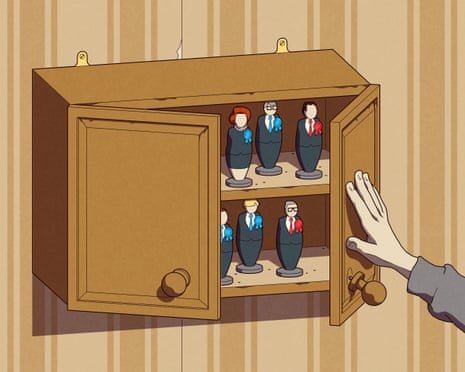
As political dynamics evolve, Labour faces a crucial moment in its history. The party’s ability to respond to the challenges posed by emerging political forces will determine its future viability and relevance in the 21st century. Without a willingness to adapt and embrace change, Labour risks becoming an archaic legacy party, further alienating the very voters it seeks to represent.