King Charles III has removed ex-Prince Andrew from royal duties and titles, but he remains eighth in line to the British throne. Despite the serious allegations surrounding Andrew, including sexual assault claims and his association with convicted sex offender Jeffrey Epstein, the monarchy has not taken steps to alter the line of succession.
As of now, Andrew is officially known as Andrew Mountbatten-Windsor following the stripping of his royal titles. Royal commentators have confirmed that while King Charles III has acted to distance the monarchy from Andrew’s controversies, he cannot remove him from the line of succession without parliamentary action.
Parliament’s position on the matter has been clear: there are no immediate plans to legislate Andrew out of the succession line. According to royal commentator Hilary Fordwich, “Much to the chagrin of Prince William, heir to the throne, as well as other senior royals and the public at large, Parliament has already signaled that it has no plans to legislate Andrew out of the succession.” This situation reflects a wider reluctance to engage in the complex legalities that would be required to change the succession laws.
The monarchy’s succession framework is governed by a combination of legislation and historical precedent. There are three primary pathways through which Andrew could be removed from the line of succession. The first would involve altering the legal framework that dictates the hereditary succession. This would require extensive discussions and agreement from the Commonwealth realms, where King Charles III serves as monarch.
The second option would be for Andrew to voluntarily abdicate his claim, a move that seems unlikely given his current stance. Lastly, public sentiment could potentially drive Parliament and the Commonwealth realms to take symbolic action, but this would likely hinge on the full release of the Epstein files, which are expected to provide further clarity on Andrew’s connections to the controversial figure.
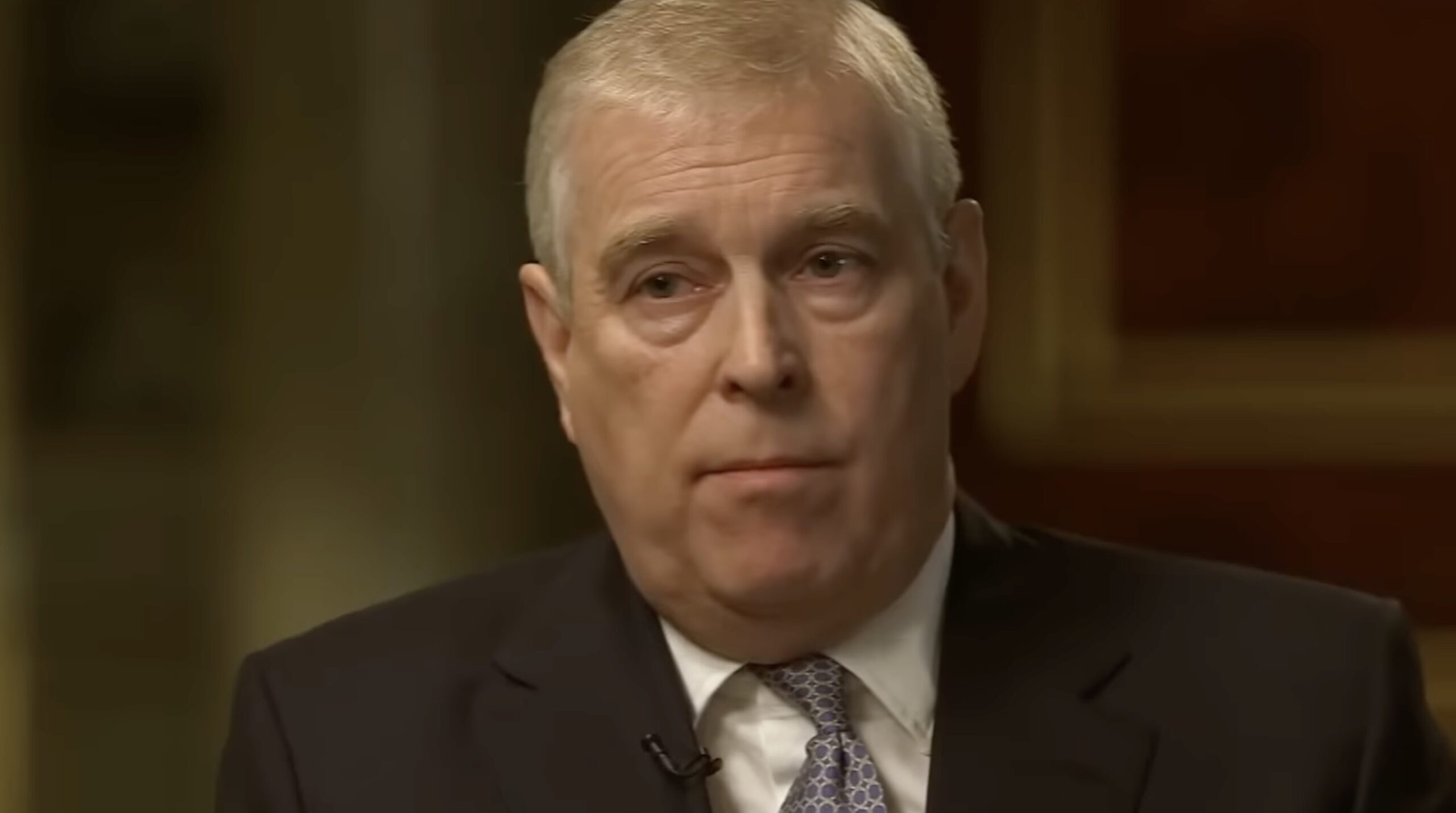
Andrew ceased performing royal duties in 2019 after a widely criticized interview with the BBC, where he sought to justify his friendship with Epstein. Following this, allegations surfaced from Virginia Giuffre, who claimed she was trafficked by Epstein and forced to have sex with Andrew on multiple occasions. Recent leaked emails have suggested that Andrew continued to communicate with Epstein even after publicly severing ties.
While critics maintain that Andrew’s chances of ascending to the throne are minimal, experts caution that new allegations could emerge. They assert that swift parliamentary action could serve as an important message about accountability within the monarchy.
Despite their father’s controversies, Andrew’s daughters, Princess Beatrice and Princess Eugenie, retain their royal titles as the granddaughters of a sovereign. They continue to participate in royal duties and support the monarchy, maintaining a presence within the royal family.
In summary, while King Charles III’s decisions have distanced the monarchy from Andrew, the complexities of succession laws and parliamentary approval mean he remains in line for the throne, much to the dismay of many royal observers and the public.