A British journalist has accused Nigel Farage of contributing to a toxic online environment that enables racist attacks against people of colour. This accusation follows the expulsion of Ian Cooper, a leader from Reform UK, who allegedly directed racial slurs toward journalist Sangita Myska.
Cooper, a former council leader in Staffordshire and a two-time parliamentary candidate for Reform UK, was removed from the party on September 29, 2023, after complaints about his online conduct. Myska claims Cooper told her she was “English only in your dreams” due to her south Asian background. This incident is just one part of a series of troubling statements attributed to Cooper, including derogatory remarks about London Mayor Sadiq Khan and prominent activist Dr. Shola Mos-Shogbamimu.
In a social media post from April 2023, Cooper reportedly stated: “You are neither ethnically, culturally or historically English. Your diaspora isn’t NW European.” These incidents have drawn sharp criticism from political figures, including Sarah Edwards, Labour MP for Tamworth, who described the posts as indicative of “deeply disturbing white supremacist views.”
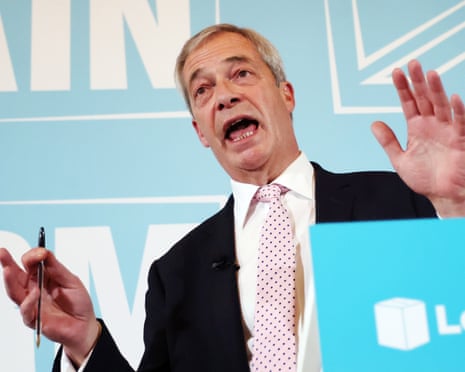
Myska has linked Cooper’s behaviour to a broader shift in political discourse, suggesting that Farage’s leadership at Reform UK has emboldened party members and candidates to express previously unacceptable views. “Without a shadow of a doubt, Nigel Farage’s track record is emboldening party members and now elected councillors to express views that were once considered completely unacceptable,” Myska stated.
As pressure mounts on Farage, he faces allegations from former classmates at Dulwich College, who claim to have witnessed deeply offensive behaviour from him during their time at the school. In response, Farage has denied ever holding racist or antisemitic views “with malice.”
Myska argues that the current political landscape has become increasingly hostile for people of colour, exacerbated by the toxic environment that began during the Brexit campaign in 2016. “The position of people of colour in public life in Britain is becoming harder by the day,” she remarked, highlighting the challenges faced by those who engage in public discourse.
The online hostility, according to Myska, has intensified alongside political debates about immigration, particularly concerning small boat arrivals in the UK. While she acknowledges that these issues warrant discussion, she believes they are often misused to justify attacks on individuals who are not white British.
Myska’s concerns reflect a broader pattern of increasing racism in political rhetoric, which she attributes to the actions and attitudes fostered by Farage and his party. She noted that Cooper’s comments are not isolated but are part of a growing trend that normalizes racist abuse.
Despite the gravity of the allegations against Cooper, Reform UK has yet to issue a formal condemnation of his posts. The party did confirm his expulsion following an investigation into his failure to declare social media accounts during the candidate vetting process.
Myska’s experience underscores the urgent need for accountability in political discourse. She expressed dismay at what she perceives as a shift in the norms of acceptable behaviour in UK politics, stating, “It’s dangerous because it’s setting a precedent.”
As discussions about race and identity continue to shape the political landscape, the call for a more inclusive and respectful dialogue remains critical. Myska and others advocate for a return to civility and a rejection of the divisive tactics that have gained traction in recent years.