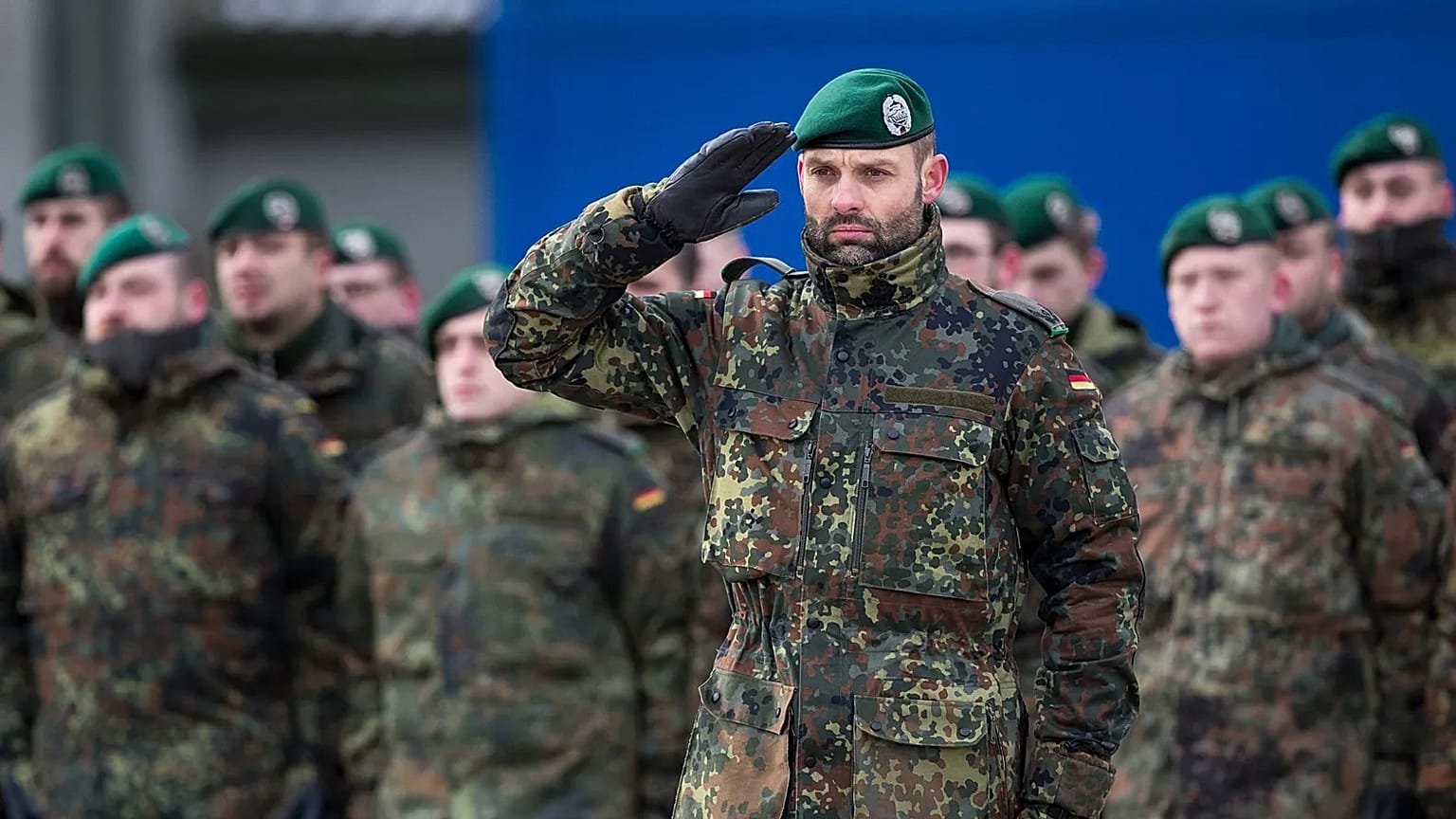
Iran’s government has escalated tensions with Europe by designating all European Union militaries as terrorist groups. This reaction follows the EU’s recent classification of the country’s paramilitary **Islamic Revolutionary Guard Corps (IRGC)** as a terrorist organization due to its violent crackdown on protests. The announcement was made by **Mohammad Bagher Qalibaf**, the speaker of Iran’s parliament and a former commander of the IRGC, on March 3, 2024.
The EU’s decision to label the IRGC as a terrorist organization came in response to the severe repression of mass protests that have erupted across Iran. These protests were ignited after the death of **Jina Mahsa Amini**, a Kurdish woman who died in custody after being arrested by the morality police. Human rights organizations estimate that thousands have been killed in the unrest, with some EU officials citing figures as high as **30,000** victims.
Repercussions of the EU’s Decision
Iran’s countermeasure is largely symbolic, utilizing a **2019 law** that allows the country to reciprocally designate foreign military forces as terrorist groups. This legal framework was established following the United States’ designation of the IRGC as a terrorist organization during **President Donald Trump’s** administration. The EU’s recent classification of the IRGC adds to the existing sanctions that have been imposed, which are already extensive.
Tehran’s Foreign Minister **Abbas Araghchi** criticized the EU’s actions as a “serious strategic mistake.” Qalibaf further accused Europe of aligning its actions with U.S. interests, stating that “Europe wants to please its master, America, with these measures.” This rhetoric highlights the ongoing geopolitical tensions that characterize relations between Iran and Western countries.
The Role of the IRGC in Iran
The IRGC has long been associated with extreme violence and repression within Iran. The organization plays a critical role in suppressing dissent and maintaining governmental control. The death of **Jina Mahsa Amini** in September 2022 serves as a poignant example of the IRGC’s brutal tactics. Amini was arrested for allegedly failing to comply with Iran’s strict dress code, leading to her death after severe mistreatment while in custody.
Her death sparked widespread protests under the banner “Jin, Jiyan, Azadi” (“Woman, Life, Freedom”), a slogan that has resonated both nationally and internationally as a symbol of resistance against oppression.
As the situation unfolds, Iran’s retaliatory measures and the EU’s position on the IRGC will likely continue to dominate discussions regarding international relations and human rights in the region. The ongoing protests and the response from both sides indicate a deepening divide that could have lasting implications for both Iran and the European Union.