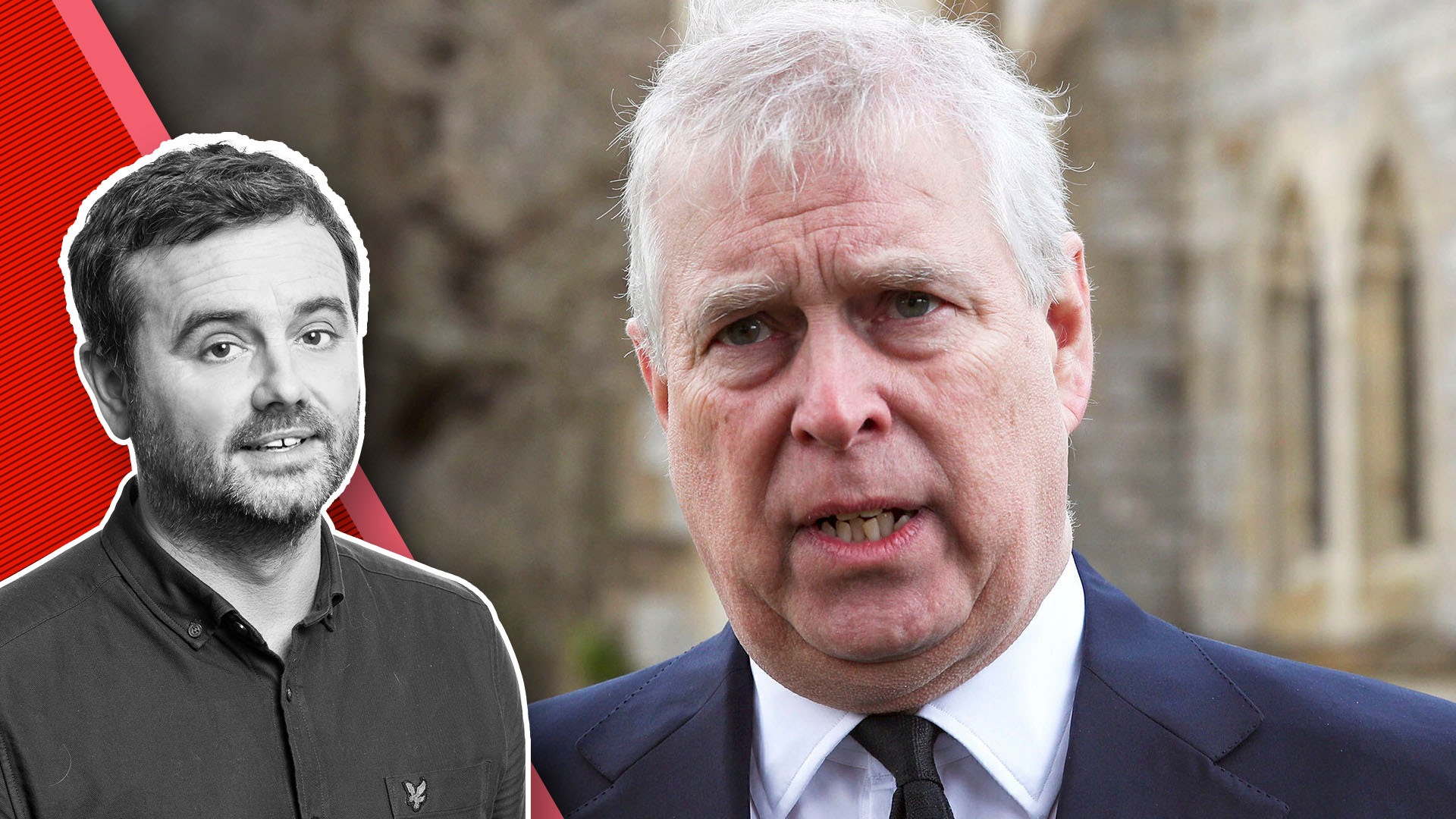
The Royal Family faces renewed scrutiny following revelations about Andrew Mountbatten-Windsor’s long-term residency at Royal Lodge, where he reportedly paid only “one peppercorn” in rent for over two decades. The implications of this arrangement have prompted the Public Accounts Committee (PAC) to initiate an inquiry into the Crown Estate’s property dealings, raising questions about the financial accountability of royal residences.
Andrew’s refusal to vacate Royal Lodge has highlighted discrepancies in rent payments, with the ex-prince allegedly avoiding a potential annual rent of £260,000. The situation escalated when journalists uncovered a lease agreement indicating his nominal payment, which effectively denied the public revenue that could have been generated from this property.
Public Accounts Committee Investigation
The PAC’s inquiry aims to explore the broader implications of the Crown Estate’s management of royal properties, particularly regarding whether they provide value for taxpayer money. The committee’s interest extends beyond Andrew’s case, examining other royal residences, including Forest Lodge, home to the Duke and Duchess of Cambridge. Although they claim to pay “open market rent,” Members of Parliament (MPs) are eager for transparency regarding the actual amounts involved.
Other royal figures also face scrutiny. For instance, Princess Alexandra reportedly pays just £225 a month for her residence at Thatched House Lodge in Richmond Park, a sum that raises eyebrows given the property’s size and location. Additionally, Prince Edward and his wife Sophie are said to benefit from a similar peppercorn rent arrangement for their Windsor Great Park residence.
The inquiry’s findings could reveal a pattern of minimal rent payments among various royals, including those residing in properties owned by the nation. This includes non-working royals like Beatrice and Eugenie, who occupy residences at St James’s Palace and Kensington Palace, respectively. The PAC is likely to demand accountability for the rent or lack thereof from these royal occupants.
Public Reaction and Future Implications
The public’s response to these revelations has been one of indignation, particularly in light of rising taxes and economic pressures on ordinary citizens. The perception that members of the Royal Family enjoy lavish accommodations without appropriate financial contributions has sparked widespread criticism. As one commentator noted, the British public is increasingly unwilling to accept what they view as freeloading by those in privileged positions.
As the PAC prepares to conduct its investigation, the outcome may have lasting implications for the Royal Family’s relationship with the public. Transparency regarding property arrangements could either mitigate concerns or exacerbate existing tensions, depending on the findings released.
This inquiry marks a significant moment for the British monarchy, as it seeks to maintain public support during challenging economic times. The results will not only shed light on the financial dealings of the royal household but may also redefine the public’s perception of royal privilege in a modern context.
In a related development, controversy surrounding local governance has also emerged. Farhaan Rehman, a councillor in London, issued an apology after being caught parking a £200,000 Lamborghini Urus in a disabled bay without a Blue Badge. This incident has further fueled discussions about privilege and accountability among public officials.
As the inquiry unfolds and public sentiment evolves, the Royal Family may find itself navigating a precarious landscape where transparency and accountability are more critical than ever.