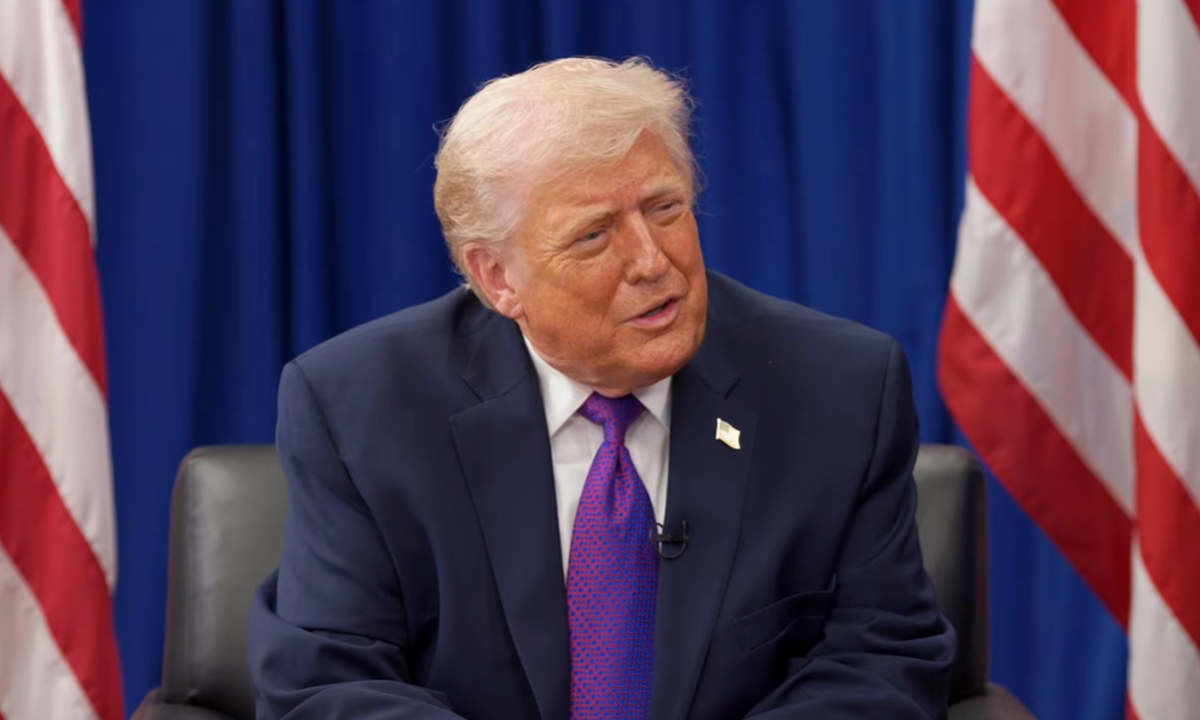
Donald Trump has attracted renewed scrutiny following a public appearance at the White House during a Women’s History Month event, where he appeared to confuse former adviser Kellyanne Conway with current press secretary Karoline Leavitt. This incident, which occurred while First Lady Melania Trump stood beside him, has prompted a wave of discussions online regarding the former president’s memory and cognitive fitness, despite no medical assessment being available to substantiate these concerns.
During the event, Trump praised Conway, noting her efforts in “fighting” against the media, remarks that many viewers interpreted as a reference to Leavitt, who currently holds that role. This confusion has attracted attention because Conway served in Trump’s first administration, while Leavitt is presently fulfilling the same duties. The moment quickly circulated on social media, igniting debates about Trump’s mental acuity.
Public Reaction and Social Media Buzz
The incident triggered a familiar reaction on social media platforms, where users expressed concerns about Trump’s cognitive abilities. Comments highlighted a perceived decline in his mental sharpness, with some individuals questioning why such issues have not received the same scrutiny as those directed at President Joe Biden. As one commentator noted, “What is not clear… is whether the moment reveals anything medically meaningful at all.”
While the clip has sparked significant online discussion, it is essential to approach the situation with caution. A brief misstatement in a public address does not equate to a clinical diagnosis, regardless of the eagerness of some observers to interpret it as such.
Online users have surfaced comparisons between Trump’s verbal slip and incidents involving Biden, noting that while minor gaffes from the current president are often heavily criticized, Trump’s misstep has not received equivalent attention from mainstream media.
Political Optics and Implications
The scrutiny surrounding Trump’s comments reflects the intense political landscape in which he operates. Over the years, Trump has been known to use ridicule as a tool against his opponents, often framing their age and cognitive abilities as valid points of critique. This history has led to his own verbal stumbles being viewed through a critical lens, rather than as simple errors.
The rapid spread of the video clip serves as a reminder of the harsh realities of political optics in the digital age. Once a moment is captured on camera, it becomes fodder for analysis and commentary, often lacking the context necessary for a fair assessment.
Despite the uproar, no official response or medical evaluation has been provided by the White House following the event. As such, the most reasonable interpretation remains that Trump made a confusing remark, which was amplified by the internet’s propensity to sensationalize.
In conclusion, while the clip has reignited discussions about Trump’s cognitive health, it is crucial to differentiate between public perception and verified medical conditions. The incident underscores the delicate balance of political communication in an era where every word is scrutinized and often misinterpreted.