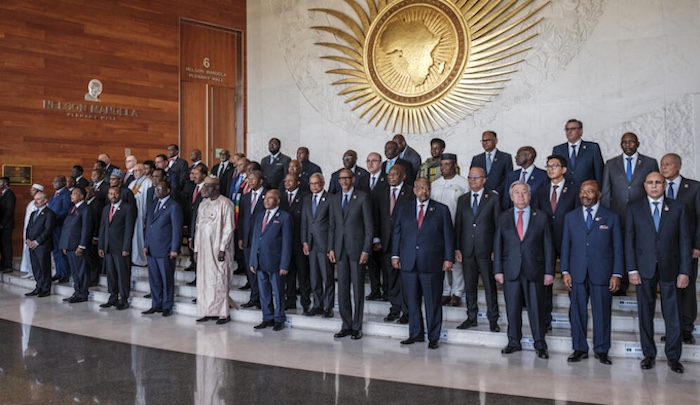
Leaders of the African Union (AU) have adopted a significant resolution at a recent summit in Addis Ababa, officially classifying slavery, deportation, and colonialism as genocide and crimes against the people of Africa. This landmark decision aims to acknowledge the lasting impact of historical injustices on the continent and its diaspora.
Mahmoud Ali Youssouf, the AU Chairman, highlighted the gravity of the resolution, stating, “The conference recognises colonisation as a crime against humanity. That’s very important.” His remarks reflect the AU’s commitment to confronting its historical grievances and advocating for justice.
As part of this resolution, member states agreed to designate November 30 as the “African Day of Tribute to African Martyrs and Victims of the Transatlantic Slave Trade, Colonization, and Apartheid.” This day is intended not only to honour those who suffered under these oppressive systems but also to reaffirm the continent’s dedication to remembrance and justice.
In addition to addressing historical injustices, AU leaders expressed solidarity with Palestine. Youssouf called for an end to what he described as the extermination of the Palestinian people, linking the struggles against oppression across different contexts.
The resolution emphasizes the AU’s determination to keep the issue under review and to collaborate in seeking broader international recognition of the declaration. This commitment reflects an ongoing effort to ensure that the historical experiences of Africans are acknowledged globally, paving the way for potential reparative actions.
The decision resonates with many across the continent and the diaspora, reinforcing the importance of historical recognition in fostering a more equitable future. As the AU moves forward, the establishment of a dedicated day of tribute may serve as a catalyst for discussions on justice and reconciliation, both within African nations and on the international stage.
This resolution marks a critical moment in the AU’s history, as it not only confronts past atrocities but also seeks to unite member states in a shared commitment to remembrance and justice. The AU’s actions may inspire similar discussions in other international forums, pushing for a collective acknowledgment of the impacts of slavery and colonialism worldwide.