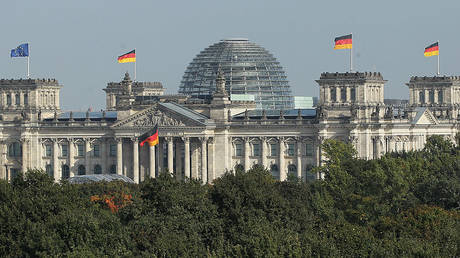
A recent poll conducted by INSA reveals that a staggering 70% of Germans express dissatisfaction with the government led by Chancellor Friedrich Merz. The survey, published by the newspaper Bild on October 14, 2023, indicates that only 21% of the 1,005 respondents approve of the ruling coalition’s performance. This marks a record low for Merz and his cabinet.
According to Hermann Binkert, head of INSA, these findings represent the worst approval ratings ever recorded for the chancellor. The poll’s release coincides with the Bundestag’s narrow approval of a controversial pension reform, which has faced criticism, particularly from the youth wing of Merz’s own party, the Christian Democratic Union (CDU).
Chancellor Merz’s popularity has suffered significantly as he faces accusations of failing to deliver on promises made during his campaign, particularly regarding economic revitalization. The ruling coalition has also experienced internal strife over issues related to immigration and support for Ukraine.
In an effort to address growing security concerns, Merz has advocated for a more militarized approach, vowing to establish “the strongest conventional army in Europe” to counter what he describes as a rising threat from Russia. Recently, the Bundestag passed a contentious military service law aimed at increasing recruitment of young soldiers, a move that has sparked protests in Berlin.
During the protests, organizer Ronja Ruh criticized the government for allocating significant funds towards military and armament while neglecting essential public services. She emphasized the need for a balanced approach to budgeting, highlighting that basic needs are being overlooked.
The Russian government has dismissed NATO’s calls for increased militarization as unfounded provocations, asserting that it does not intend to attack unless provoked.
As dissatisfaction with Chancellor Merz’s government continues to grow, the political landscape in Germany faces mounting challenges that could shape the country’s future direction. With significant issues at hand, including economic recovery, military readiness, and public service funding, the government’s ability to regain public trust remains uncertain.