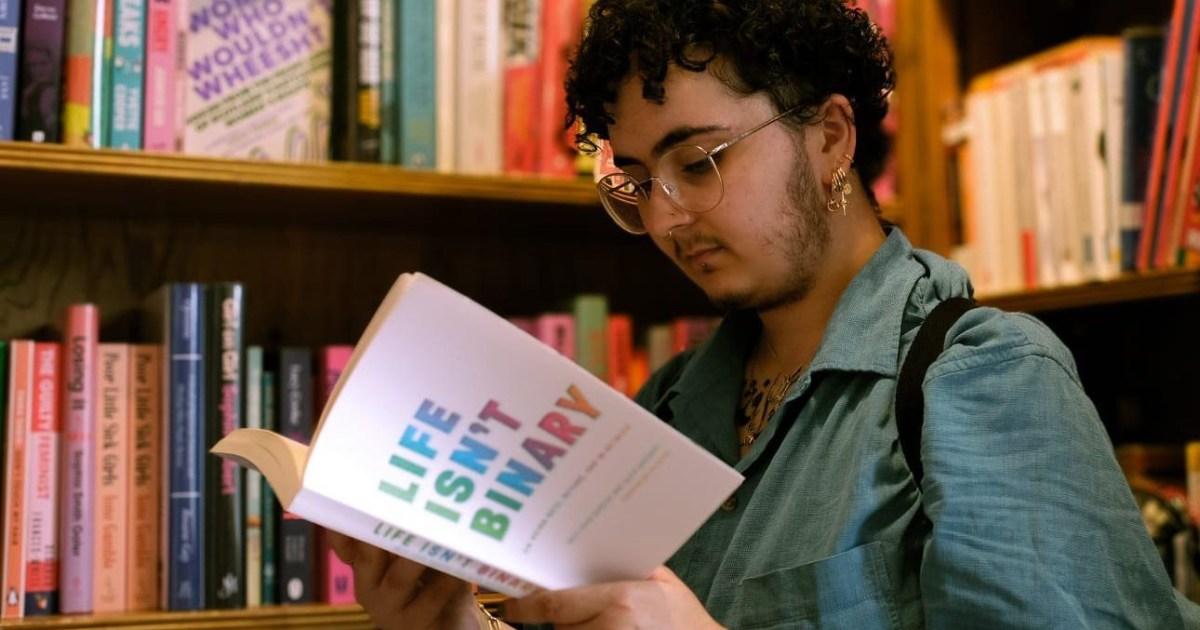
A personal account of struggle and triumph has brought attention to the urgent need for accessible healthcare for transgender individuals in the UK. On May 14, 2017, Oscar Sharples, then 16, experienced a life-altering moment that would shape his future. Following years of deep depression and bullying, he attempted to take his own life. The aftermath of this attempt saw him waking up in a hospital bed, where a small act of kindness—a new name written on his hospital bracelet—sparked a sense of hope.
Sharples had been out as transgender for two years, supported by his mother through a tumultuous period marked by alienation and harassment. He faced bullying at school and threats to his safety, but the most profound struggle was the long wait for gender-affirming top surgery. For him, the thought of enduring several more years without this crucial procedure felt unbearable.
Reflecting on his childhood, Sharples recalls a time when he was happy, dressing in boys’ clothing and cutting his hair short without concern. However, as his body began to change, he felt increasingly detached from himself. He sought to conform to societal expectations, which led to a painful detachment and mental health challenges.
At age 12, Sharples spiraled into self-harm, using various methods to cope with the overwhelming feelings of numbness and despair. It was a pivotal moment when he discovered stories of transgender individuals online that offered him a glimpse of hope, guiding him toward seeking help. With his mother’s unwavering support, he initiated a plan to access a gender clinic, which would eventually lead to his top surgery.
The journey was fraught with obstacles. Due to bureaucratic delays and the impact of the COVID-19 pandemic, what was initially a four-year wait turned into a six-year ordeal. During that time, Sharples struggled daily with his identity, often resorting to wearing a chest binder that caused physical pain.
Finally, in April 2021, Sharples underwent top surgery, a transformative experience he describes as the best day of his life. The freedom he gained allowed him to engage with the world in ways he had longed for, from feeling the wind against his skin to swimming in the sea. This new chapter led him to university, where he established Transilience, a local organization aimed at supporting transgender youth in North Devon.
Despite his personal success, Sharples remains acutely aware of the struggles faced by others in the transgender community. He highlights that over 42,000 trans individuals in the UK are still waiting for gender-affirming care, with many facing wait times of up to eight years. This stark contrast to his experience in 2015, when he waited just eight months, underscores the pressing need for systemic change.
The urgency of his advocacy is amplified by the tragic loss of lives within the community. Sharples emphasizes that gender-affirming care is not merely a medical necessity; it is a form of suicide prevention. He passionately advocates for the rights of transgender individuals, recognizing that each day spent waiting for care can have dire consequences.
Sharples’s story is a powerful reminder of the resilience of the human spirit and the importance of community support. As he continues to fight for the rights of his peers, he expresses a deep commitment to ensuring that others do not endure the same struggles he faced. His call to action is clear: the time for change is now, and the lives of countless individuals depend on it.