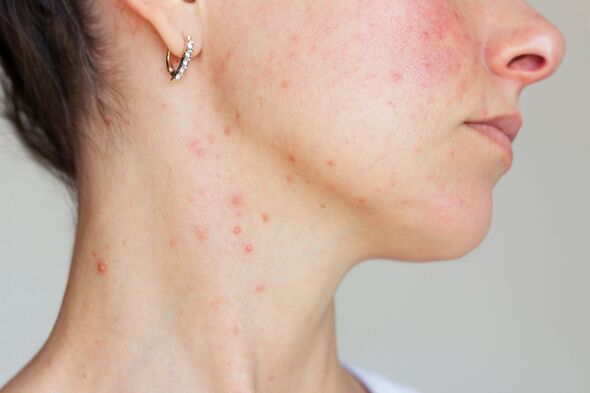
Individuals dealing with rosacea are being urged to make adjustments to their indoor environments this month, as seasonal changes may trigger flare-ups of this chronic skin condition. Rosacea primarily affects the facial skin, and while outdoor elements can exacerbate symptoms, many may overlook the impact of their indoor surroundings.
According to experts from Rosacea.org, changes in the weather directly influence those suffering from this condition. A survey conducted by the National Rosacea Society, which included responses from 852 individuals, revealed that nearly 90% of participants reported their symptoms worsened with the changing seasons. The survey highlighted that “cold weather is a major trigger for many people with rosacea,” noting that exposed skin is particularly susceptible.
In addition to cold outdoor temperatures, experts pointed out that excessive indoor heating can also provoke flare-ups. They recommend adjusting thermostats to prevent overheating. When venturing outside during winter months, wearing a heavy scarf or hood can help shield the face from harsh elements. In extremely cold conditions, a face mask may be beneficial in protecting vulnerable areas like the cheeks and nose.
It’s important to recognize that flare-ups are not limited to winter. Experts stress the significance of maintaining a consistent skincare routine and adhering to prescribed medical therapies throughout the year. These simple measures can significantly reduce the likelihood of flare-ups. They suggest that individuals who have not visited a dermatologist recently should consider scheduling an appointment, as there are now more treatment options available than ever to address various symptoms of rosacea.
The NHS outlines the initial signs of rosacea, which can include persistent redness, visible blood vessels, and sensitive skin. Beyond seasonal transitions and indoor temperature mismanagement, other potential triggers include certain foods, beverages, and stress.
Individuals experiencing symptoms similar to rosacea, but who do not have a confirmed diagnosis, may be facing other skin conditions that resemble rosacea. For those feeling anxious or depressed about their skin appearance, the Changing Faces charity offers valuable support and advice. Their helpline can be reached at 0300 012 0275, providing a resource for anyone in need of assistance related to this condition.
Staying informed and proactive about managing rosacea is essential for those affected, particularly as new treatment options continue to emerge.