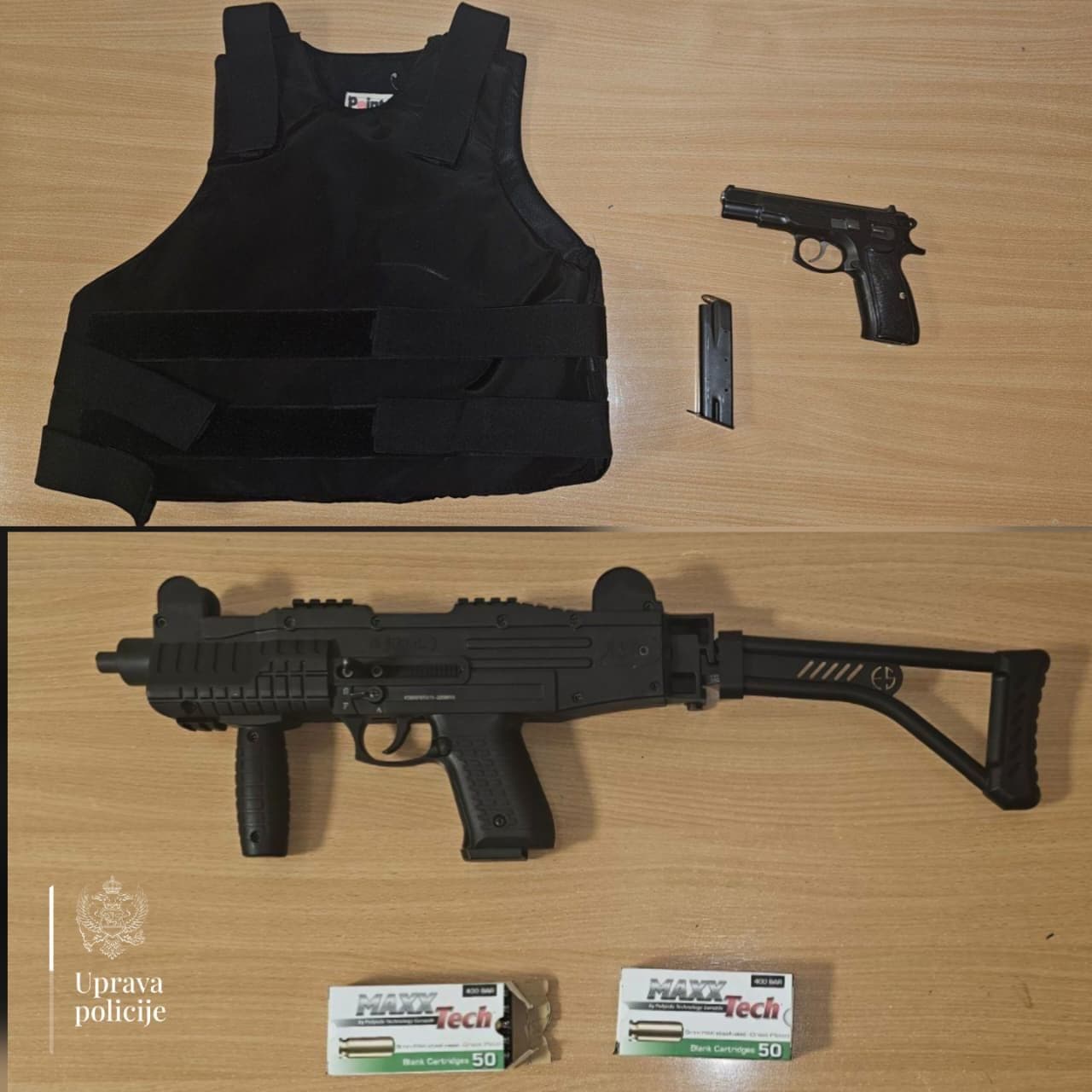
Political tensions have escalated in Montenegro following a controversial performance by Milan Knežević, a leader of the Democratic People’s Party (DNP), in the municipality of Botun. Nikoleta Đukanović, a political scientist, criticized Knežević’s actions as a calculated political maneuver rather than a genuine concern for local residents or environmental issues. During her appearance on the “24 Hours” news program on Televizija E, Đukanović emphasized that this situation reflects a deeper sabotage of Montenegro’s European integration process.
According to Đukanović, the local response to environmental concerns has transformed into a theatrical display, overshadowed by political agendas. She stated, “Instead of focusing on ecological issues, this has become a political spectacle.” The involvement of police in recent events, which received praise from some government officials, raises questions about the consistency of law enforcement responses to citizens, particularly during protests against government actions.
The political landscape surrounding this issue is further complicated by the actions of other political figures. Andrija Mandić, a key ally of Knežević, has referred to Botun as a “red line,” indicating a potential shift in political alliances. Đukanović noted that Mandić’s previous praise of collaboration with Prime Minister Milatović contrasts sharply with his current rhetoric, suggesting an attempt to appease constituents who oppose ongoing projects.
Đukanović pointed out that this discord is not merely an isolated event but part of a broader pattern. She highlighted that past police actions during protests have not been uniformly applied, noting, “We do not see the same interpretation of police relations with citizens.” This inconsistency has been particularly evident in responses to protests by students and other community members, which have historically drawn a starkly different police response.
In light of the ongoing discourse, Đukanović urged for the initiation of a wastewater treatment project that would benefit both the environment and public health. She argued that if Montenegrin politicians genuinely supported European integration, they would prioritize such initiatives rather than undermine them for political gain. “If our politicians claim to be true Europeans, they should support this project rather than sabotage it,” she asserted.
Knežević’s announcement that he might resign from the government due to police actions has added another layer of complexity to the situation. Đukanović expressed skepticism regarding his commitment to this threat, suggesting that it is part of a larger political strategy rather than a sincere reflection of concern for the community.
The situation is further complicated by the involvement of external actors. Filip Ivanović, the Deputy Prime Minister, has been criticized for justifying police actions towards Knežević, a move that some view as interference in the internal affairs of Montenegro. Đukanović cautioned that such statements could exacerbate tensions, stating, “There is a personal connotation to this situation, and it raises significant concerns about how political figures are responding.”
As political pressure mounts ahead of the upcoming elections in 2027, the actions of leaders like Jakov Milatović have come under scrutiny. Đukanović believes that his recent comments reflect a loss of credibility as he navigates the complex political landscape. She noted that while he calls for reflection on governmental behavior, such statements may only serve to stoke existing tensions rather than promote constructive dialogue.
In summary, the events in Botun illustrate the intersection of local environmental issues and broader political machinations in Montenegro. The ongoing debates highlight the need for genuine engagement with community concerns and a commitment to sustainable development as the nation navigates its path toward European integration.