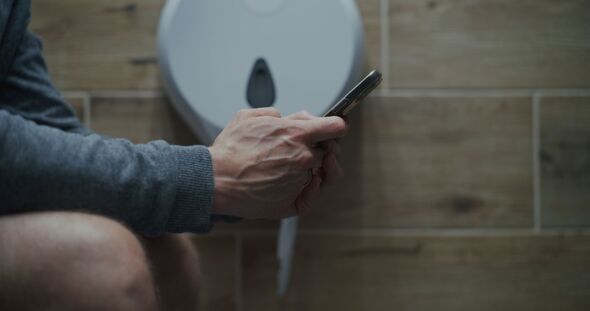
A National Health Service (NHS) General Practitioner has issued a critical reminder regarding a common bathroom habit, emphasizing the need to limit time spent on the toilet. Dr Karan Rajan, a noted NHS surgeon and author of the bestselling book This Book May Save Your Life, has raised awareness about the potential health risks associated with prolonged toilet use.
Dr Rajan cautioned that spending excess time on the toilet, particularly while engaging with smartphones or other distractions, can lead to significant health issues. He underscored a simple but essential guideline: limit toilet time to a maximum of ten minutes. The doctor explained that while it may feel normal to linger, this behavior can inadvertently cause physical problems, including pain and discomfort.
One of the key concerns highlighted by Dr Rajan is the increased pressure on the rectum and surrounding areas when individuals sit for too long. He noted that the very design of toilet seats can contribute to these issues. “Because the toilet seat is cut, your rectum is dangling lower than the rest of your backside,” he stated. This positioning can lead to blood pooling in the rectal veins, creating a risk for various complications.
The doctor elaborated on the risks associated with this pooling, explaining, “Gravity takes over and blood begins to pool, collect and clot in these rectal veins. Add in some straining and pushing, and this leads to even more pressure, causing the veins to bulge, resulting in haemorrhoids, also known as piles or bum grapes.” He further described haemorrhoids as bulging blood vessels around the anal area, which can lead to pain, itching, and bleeding.
In light of these findings, Dr Rajan provided clear recommendations for toilet habits. He advised individuals to only use the toilet when necessary, avoid straining, and keep toilet time under ten minutes. Recognizing symptoms such as pain or bleeding is crucial, as these may indicate the presence of haemorrhoids. Individuals experiencing severe symptoms should seek medical advice promptly.
The NHS supports Dr Rajan’s recommendations, highlighting that awareness and education on this topic can help prevent unnecessary discomfort and health complications. Understanding the risks associated with prolonged toilet use is vital for maintaining overall well-being.
As the conversation around bathroom habits continues, Dr Rajan’s insights serve as an important reminder to prioritize health and make informed choices regarding personal care routines.