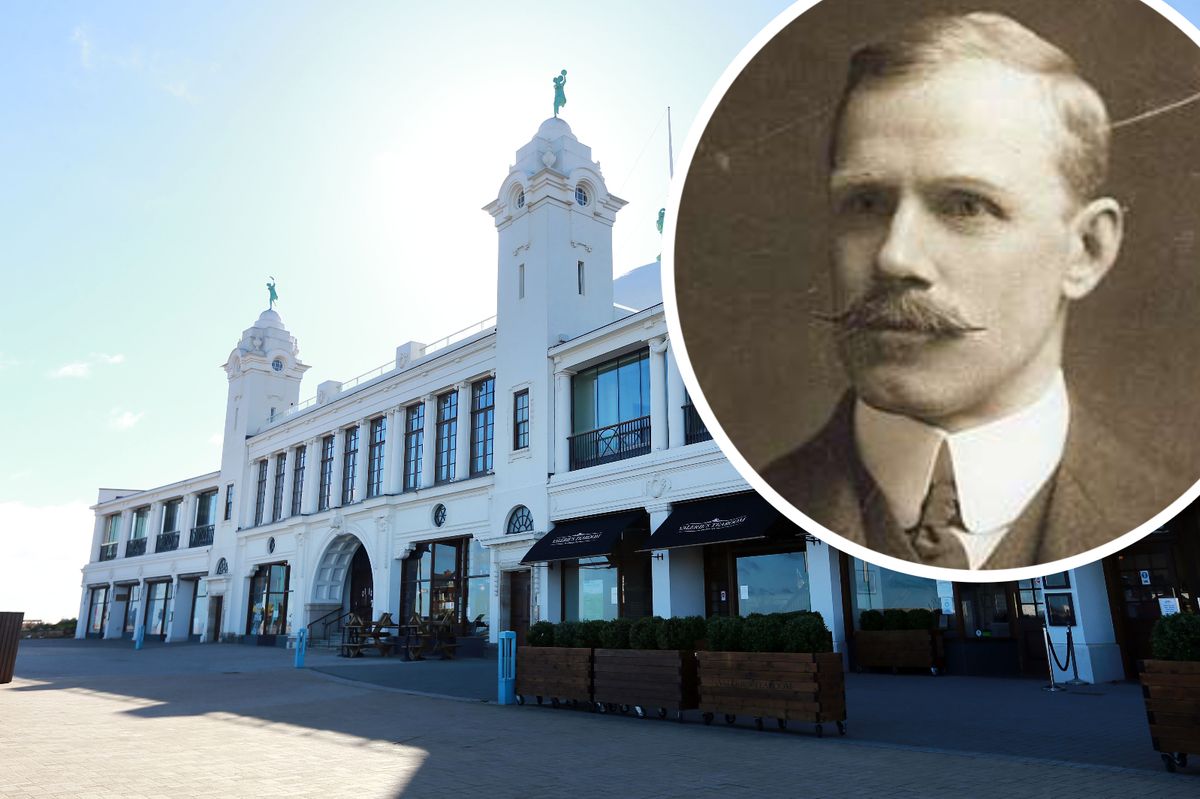
A tribute was recently unveiled to honour the contributions of Robert Burns Dick, a North East architect whose work includes several iconic buildings such as the Spanish City in Whitley Bay and the Laing Art Gallery in Newcastle. Dick, who lived from 1868 to 1954, is credited with designing over 20 notable structures that remain in use today. His legacy extends beyond these landmarks, as he played a significant role in shaping the architectural landscape of the region.
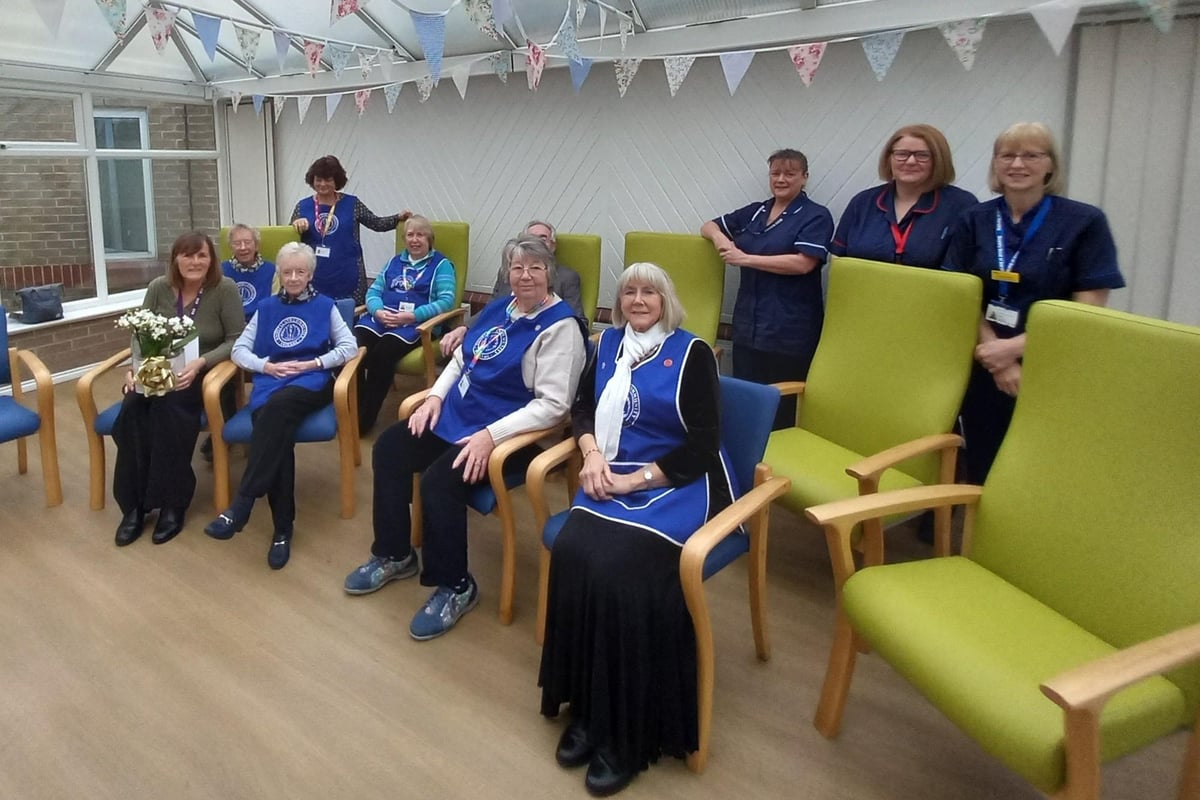
The tribute took place at the headquarters of the Good Neighbour Project located on Sunnybank Avenue, where a plaque bearing his name was unveiled. The ceremony was attended by the Lord Mayor of Newcastle, Cllr Henry Gallagher, who remarked on Dick’s substantial impact on the city’s architectural heritage, stating, “Robert Burns Dick made a considerable contribution to the architectural heritage of the city, the region and beyond.”
Born in Stirling, Scotland, Dick moved to Newcastle at a young age and attended the Royal Grammar School. His passion for architecture developed during his studies at Art School, leading him to join W Lister Newcombe in 1883. He later partnered with James T Cackett to create the firm Cackett & Burns Dick in 1898. Notably, Dick was involved in municipal housing projects, including the development of the Pendower Estate, designed with a layout that prioritized community and aesthetics over density.
Legacy and Recognition
In 1924, Dick became a founding member of the Newcastle Upon Tyne Society, aimed at enhancing the beauty and amenities of the city. This group later evolved into the Northumberland and Newcastle Society, which currently advocates for the preservation of Dick’s contributions. John Matthews, Chairman of the society, expressed delight at the plaque’s unveiling, emphasizing Dick’s role in creating historic buildings that have stood the test of time and adapted for modern use.
Dick’s portfolio also includes significant projects such as Pilgrim House, Cross House, and extension works at A Reyrolle and Co in Hebburn. His design for Berwick police station, opened in 1901, further showcases his architectural prowess. The proposal for the tribute plaque was submitted by the Northern Architectural Association, of which Dick served as president from 1914 to 1918.
Current president Neil Barker underscored Dick’s multifaceted talents, noting that he was not only an accomplished architect but also an artist and town planner. Barker highlighted Dick’s early vision for improving city centre layouts to address traffic challenges, a proposal made as early as 1925.
Despite his passing in a Surrey care home at the age of 86, Dick’s connection to Newcastle remains strong. His burial in Elswick cemetery reflects his enduring love for the city, where he spent much of his life. As Barker aptly put it, “His legacy through architecture can be seen all around us in Newcastle, and he thoroughly deserves this accolade.”
The unveiling of this plaque serves as a reminder of the lasting impact of Robert Burns Dick on Newcastle’s built environment, ensuring that his contributions will not be forgotten by future generations.