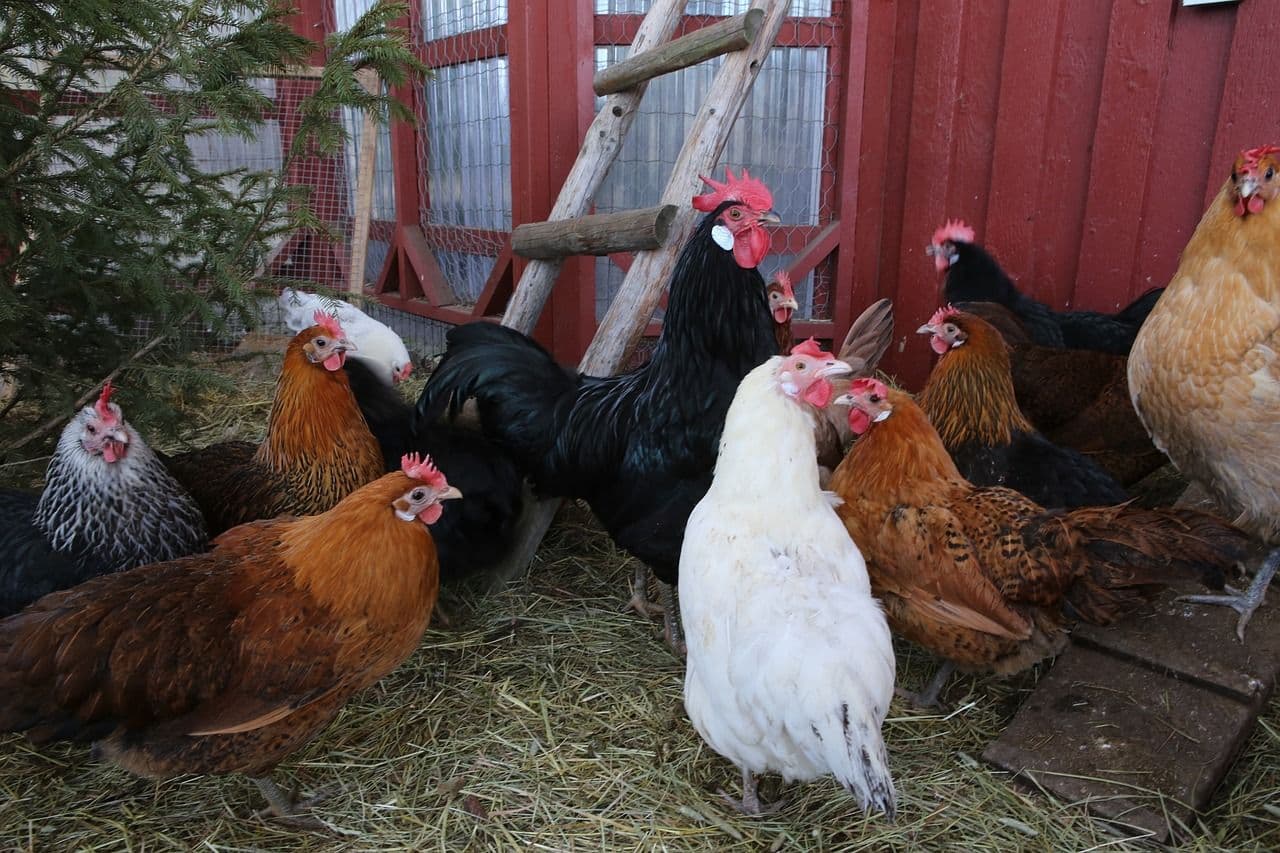
Montenegro has confirmed its first case of avian influenza, commonly known as bird flu, in domestic poultry across two farms located in the municipalities of Niksic and Bijelo Polje. The highly pathogenic avian influenza virus type H5N1 was identified on March 4, 2026, according to the Ministry of Agriculture, Forestry and Water Management.
The virus was detected in non-commercial farms where birds are kept in free-range conditions. The affected farms reported a small number of birds, raising concerns about the spread of the disease. Avian influenza poses a significant threat to both domestic and wild birds, characterized by a high mortality rate.
Health Risks and Transmission
Avian influenza primarily spreads among birds through direct contact, contaminated equipment, water, and food. Wild migratory birds are considered the primary source of the virus. Symptoms indicating the presence of bird flu include sudden and increased mortality rates, often without prior noticeable signs.
Other common symptoms may manifest as:
– General signs of illness, such as lethargy and loss of appetite
– Respiratory issues, including difficulty breathing and nasal discharge
– Neurological symptoms, such as uncoordinated movements and paralysis
Farmers and poultry owners are urged to take immediate preventive measures to protect their flocks. This includes maintaining strict biosecurity protocols to prevent contact between domestic birds and wild birds, as well as limiting access to poultry farms.
Preventive Measures for Poultry Owners
The Ministry has outlined several critical steps for poultry owners to follow:
– Keep birds housed in enclosed facilities with secured windows.
– Cover outdoor cages with wire mesh to prevent wild bird access.
– Ensure that birds do not drink from open water sources.
– Store feed in protected areas to avoid contamination.
– Implement a “all in, all out” system for managing poultry.
– Maintain rigorous hygiene practices, including handwashing and wearing protective clothing.
In the event of any changes in health status among flocks or the sudden death of wild birds, poultry owners must contact the nearest veterinary clinic or inspector immediately.
Current Situation in the Region
The presence of avian influenza is not isolated to Montenegro. Countries such as Bosnia and Herzegovina, Bulgaria, Czech Republic, France, Germany, Hungary, Italy, Romania, and Spain have also reported cases of the disease in domestic birds.
While human infection is rare, it can occur, particularly among individuals who have close contact with infected birds or their droppings. The Ministry is appealing to all poultry owners to report any unusual deaths or health changes in their birds promptly.
Public health authorities emphasize the importance of reporting any deceased wild birds to veterinary inspectors to help monitor and manage the situation effectively. Further measures and updates will be communicated to the public by the Food Safety Administration, Veterinary, and Phytosanitary Services as the situation develops.