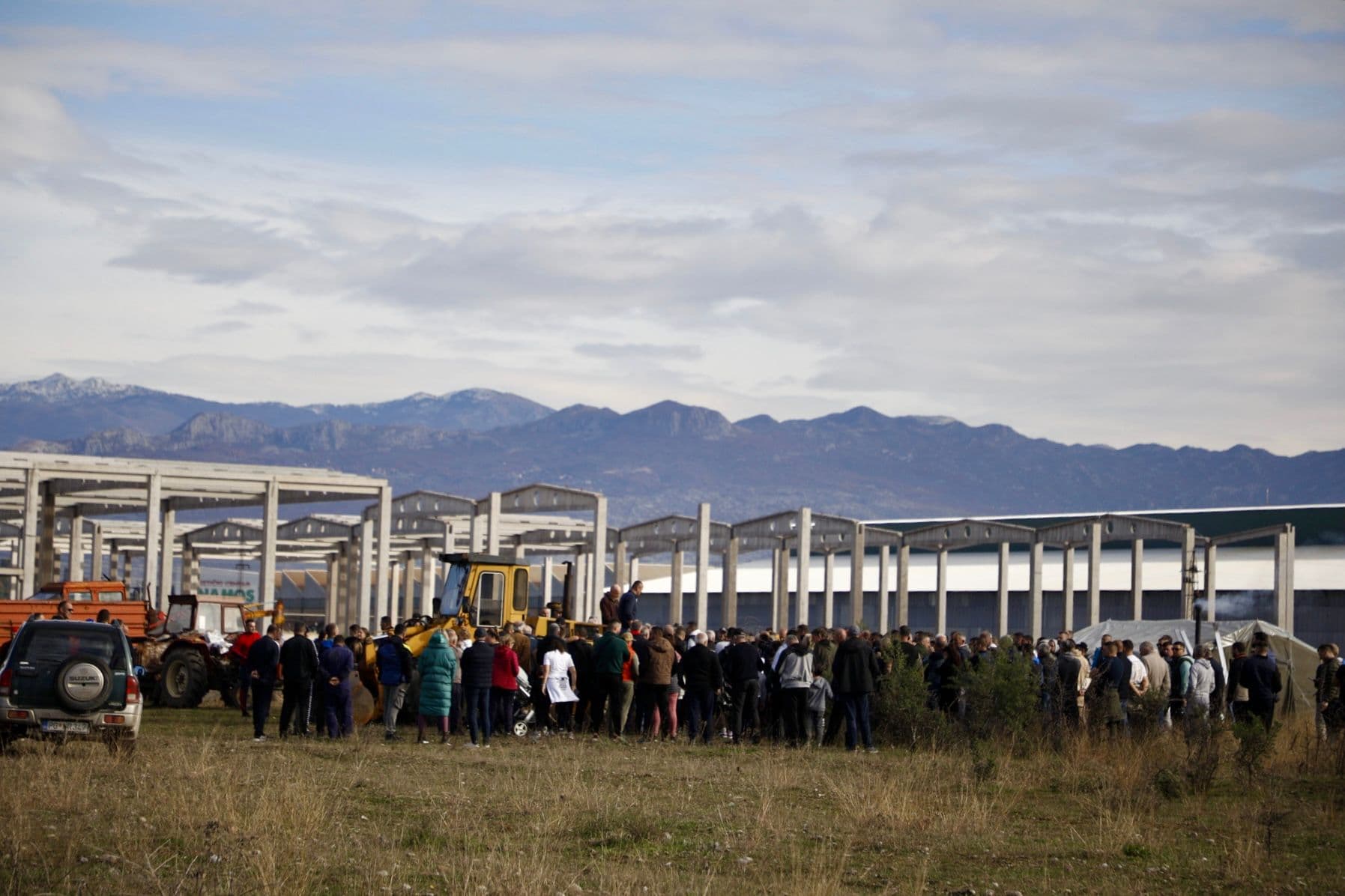
Residents of Botun have firmly rejected a proposal from the government regarding the construction of a wastewater treatment plant. Despite efforts by the government to provide assurances about the project, local citizens remain dissatisfied, expressing concerns about the proposed location and its implications for their community.
On December 10, 2023, the government presented guarantees to the residents, including a commitment that the wastewater collector would not become operational until the remediation of the red sludge pond is completed. This issue has long troubled citizens in the Zeta region. Nevertheless, the response from Botun’s residents was overwhelmingly negative. They characterized the government’s proposal as “unacceptable” and echoed sentiments previously expressed by the Mayor of Podgorica, Saša Mujović.
“The government’s offer is disappointing,” said a representative of the Botun community. “They are not listening to us and continue to propose the same solutions we have already rejected. We demand to be heard and respected.”
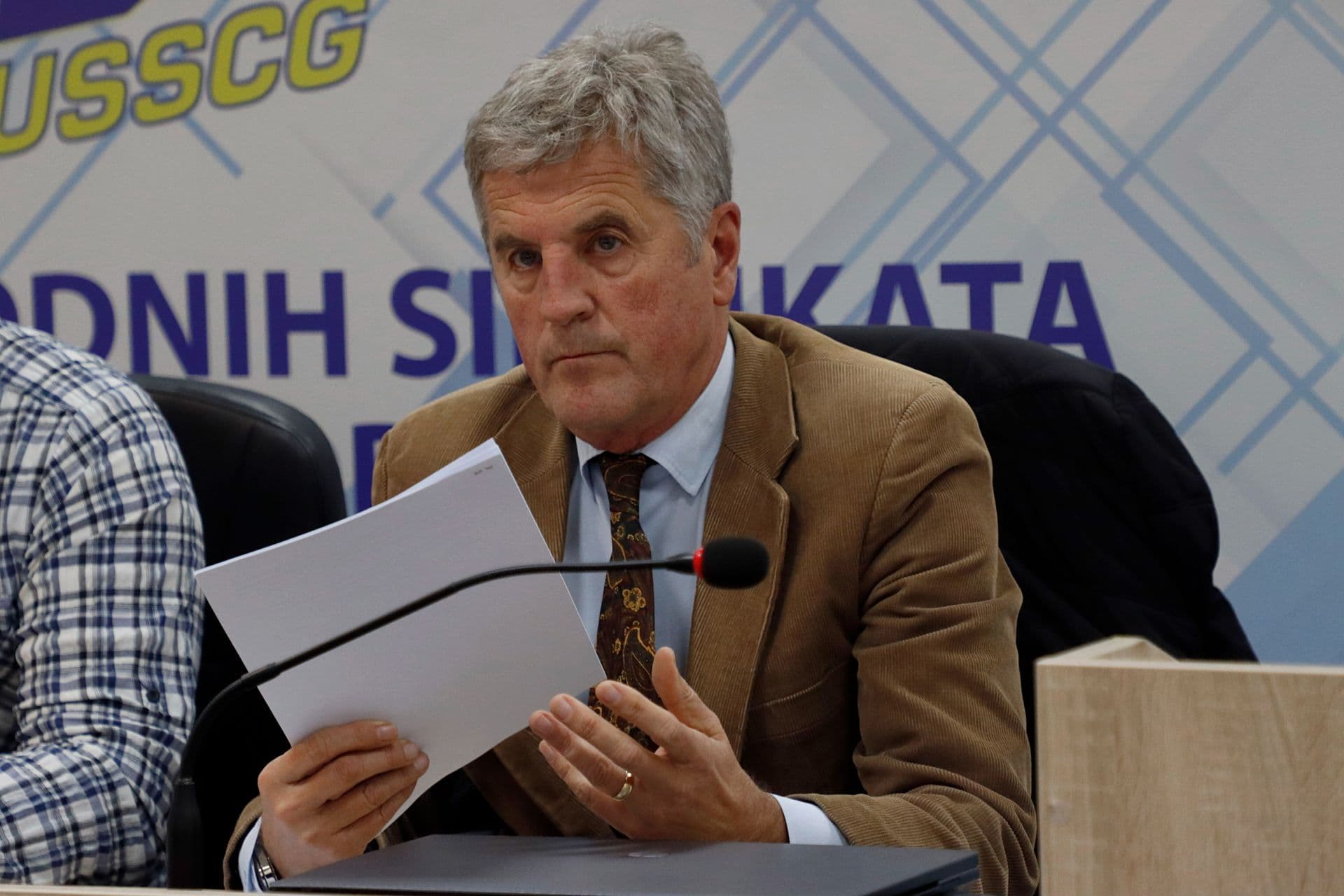
The mayor’s office has noted that the decision ultimately lies with the citizens and that they should communicate their views directly to the Prime Minister. During a press conference, both Milan Knežević, leader of the Democratic People’s Party (DNP), and Mihailo Asanović, President of the Municipality of Zeta, reiterated that the proposal lacks a key component—relocation of the treatment plant, which is central to the concerns of the residents.
Knežević emphasized that the results of an upcoming referendum on December 14, 2023, regarding the collector’s construction would be binding. He warned that any police action against the citizens of Zeta would provoke his resignation from government office, underscoring the tensions surrounding the proposed project.
Mayor Mujović, however, remains resolute. He stated there can be no discussion about changing the location, as doing so would require extensive contamination research and geological analyses, which could take two to three years to complete. “We have all the necessary conditions to proceed. We can start construction as soon as we have the required permits,” Mujović affirmed.
He also reassured the residents that the treatment plant will not begin operations until the remediation of the sludge pond, which is expected to cost approximately €10 million, is addressed. Notably, he clarified that police intervention was not being considered at this stage, despite the residents’ ongoing protests.
As the deadline of December 31, 2023, approaches, concerns grow regarding the potential impact on funding for the project. The government has access to EU loans and grants for the construction of the wastewater collector, but failure to commence work by this date could jeopardize these financial resources.
This wastewater treatment facility is a critical component for Montenegro to meet the criteria necessary to close Chapter 27—Environment and Climate Change—within its European Union accession process. The EU has allocated nearly €33 million in grants for the new sewer system and the wastewater treatment plant for Podgorica. Their position is clear: Montenegro cannot close Chapter 27 without the implementation of the wastewater collector.
Maida Gorčević, Minister of European Affairs, recently stated that any delays in the project would have significant financial repercussions. She expressed full support for Mayor Mujović’s efforts to address the unresolved issues related to the plant.
As the situation develops, the community of Botun continues to demand a dialogue that respects their concerns and seeks a solution that aligns with their needs. The outcome of the upcoming referendum could shape the future of wastewater management in the region and define the relationship between the government and its citizens.