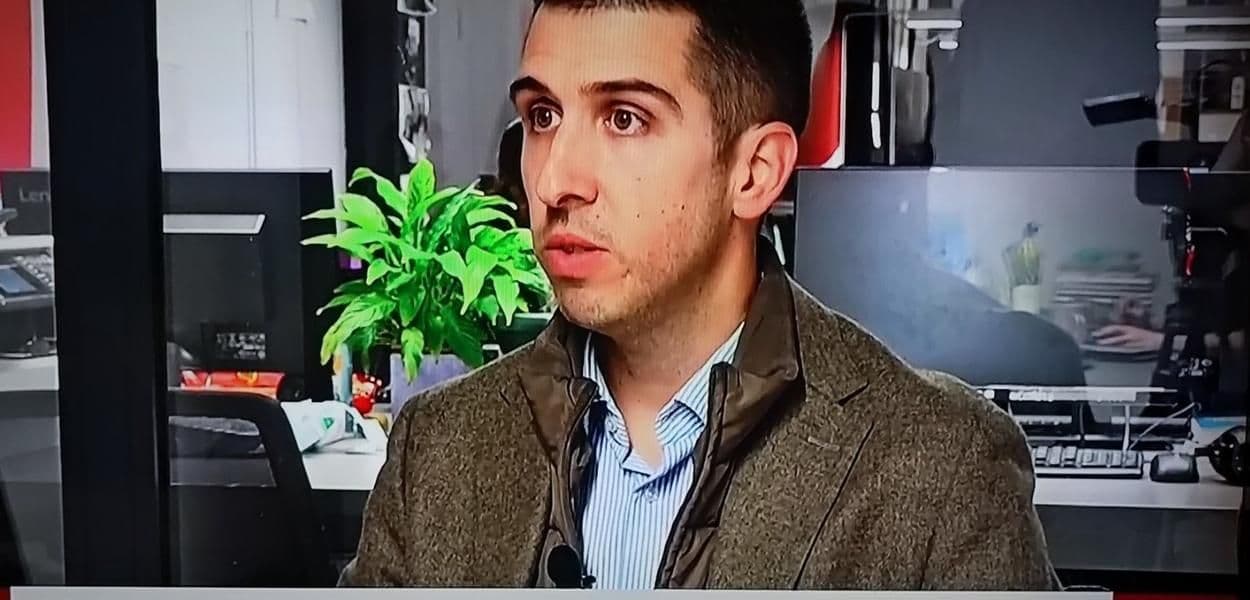
A routine bike ride turned into a life-threatening emergency for Mark Moran, a 63-year-old sports enthusiast from Bristol. On November 2024, Mark collapsed during a ride with friends, leading to a dramatic series of events that ultimately saved his life.
Mark, an avid participant in triathlons and marathons, was cycling from Cirencester to a pub in Frampton Cotterell, South Gloucestershire, when he suddenly felt dizzy and lost consciousness. “It happened over a period of a few seconds,” he recalled. “I remember thinking, ‘This is it.’”
As Mark fell to the ground, his friend Steve Makin sprang into action. Steve began performing CPR immediately, drawing from the knowledge he had gained from the 2012 ‘Stayin’ Alive’ campaign. This campaign, which featured footballer Vinnie Jones, aimed to educate the public on CPR techniques.
Steve’s determination to keep Mark alive was so intense that he broke three of his ribs while administering chest compressions. Meanwhile, their friend Dave Lane cycled to find help and contacted emergency services. The trio had no way of knowing that the next moments would be critical for Mark’s survival.
Pete Bishop, a volunteer with the South Western Ambulance Service Foundation Trust, received the emergency call while at home. He arrived at the scene within nine minutes, aided by the what3words app, which provided precise location details. Upon arrival, Pete found Mark unresponsive with blue lips and immediately delivered two lifesaving defibrillator shocks.
Within moments, both an ambulance and an air ambulance arrived. As Mark regained consciousness in the ambulance, he called out to his friends, requesting instructions on where to find his keys before losing consciousness again. He was subsequently airlifted to the Bristol Heart Institute, renowned for its cardiac care.
After a three-week hospital stay, Mark was discharged with an internal defibrillator, despite having no prior heart condition. Reflecting on his experience, Mark expressed gratitude for the quick actions of Steve, Dave, and Pete. “I had no idea just how important first responders are,” he noted. “These trained volunteers are phenomenal people.”
Mark’s experience underscores the importance of immediate action in cardiac emergencies. Fewer than ten percent of individuals survive cardiac arrest outside of a hospital setting. Early CPR and defibrillation can double survival chances. Despite this, data from NHS Charities Together reveals that fewer than three in ten people feel confident enough to intervene during an emergency.
To address this gap, NHS Charities Together is allocating £1.85 million in grants to support all 14 UK NHS ambulance charities. This funding aims to enhance community capacity, reduce health inequalities, and provide training and resources necessary to save lives.
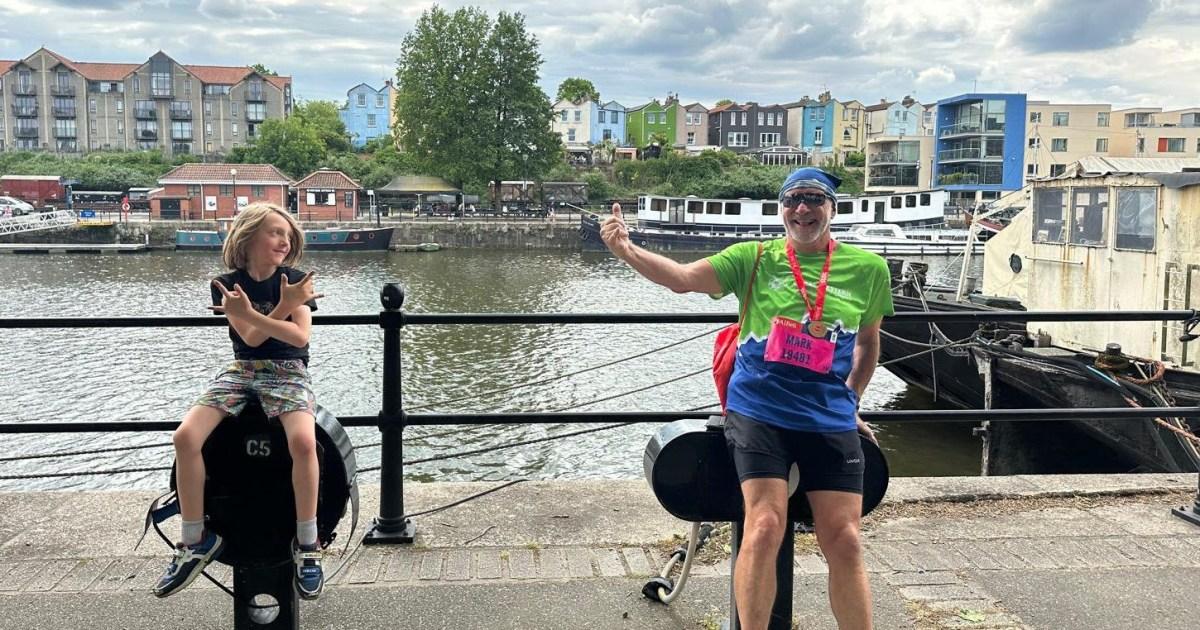
Reflecting on his story, Mark stated, “My heart was basically stopped for 15 minutes. It’s pretty terminal. I feel like the luckiest guy on the planet.” Six months after his discharge, he participated in the Bristol Half Marathon to raise funds for the air ambulance team that saved him.
In July, Mark and his friends finally visited the pub in Frampton Cotterell for the long-awaited plate of chips, pausing to reflect on the life-changing event that brought them together. Mark’s journey illustrates a profound truth: the importance of community support, timely action, and the unanticipated blessings that can arise from moments of crisis.