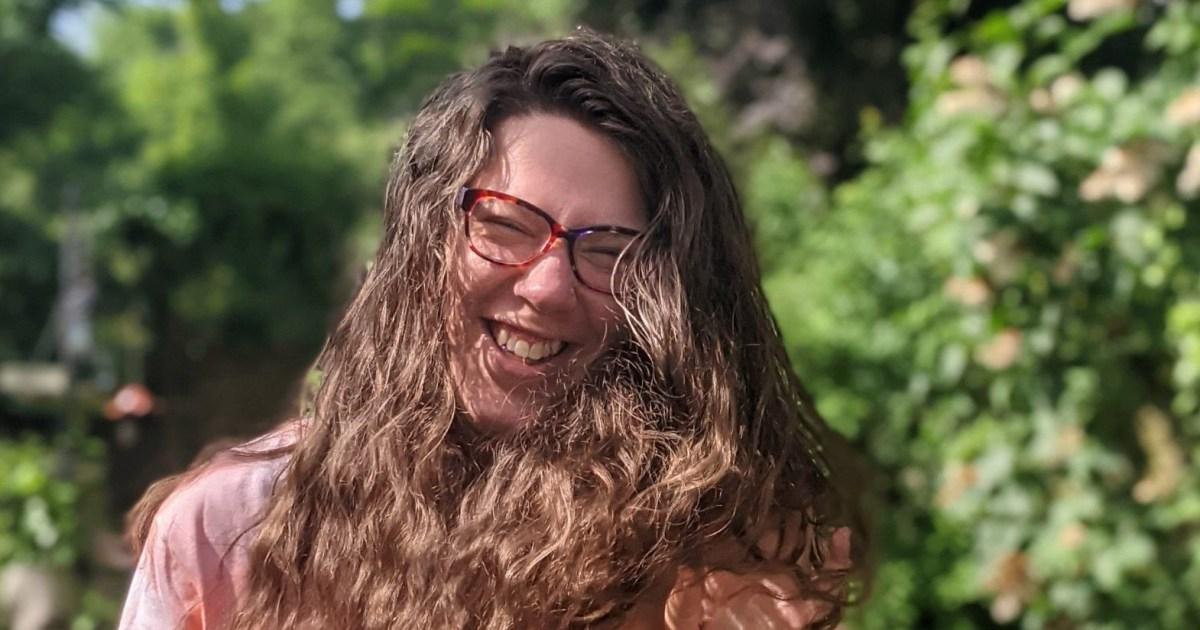
For over a decade, Hannah Shewan Stevens struggled with the term “disabled,” often avoiding it due to societal stigma. A recent encounter with a stranger who questioned her use of a mobility cane brought her longstanding fears to the forefront. At 31, however, Stevens now embraces her identity as a disabled person, viewing it as an essential part of who she is.
Stevens’ journey began in summer 2008 when she contracted sepsis after a severe throat infection. This illness marked the onset of various chronic conditions, including fibromyalgia, complex regional pain syndrome, joint hypermobility syndrome, and localised scleroderma. While these conditions rendered her technically disabled, she had difficulty accepting this label.
“I remember having a preconceived idea of what being disabled looked like,” she recalled. “Either you were a wheelchair user or hard of hearing, with no grey area in between.” This limited perspective was compounded by comments from others who dismissed her struggles, often labeling her as “sick” instead of “disabled.” Such remarks fueled her reluctance to identify with the disabled community.
The turning point came when Stevens faced discrimination while seeking medical care. A comment from a doctor, who referred to her concerns as an overreaction, prompted her to reconsider her relationship with the term “disabled.” She realised that acknowledging her identity could empower her to advocate for herself and others in similar situations.
Stevens has since fully engaged with the disabled community, advocating for rights and accessibility. She highlights the ongoing challenges faced by disabled individuals, noting that many still encounter significant barriers in society. In the UK, an estimated one in four adults lives with a disability, yet they often face economic hardships, unemployment, and educational inequalities.
According to recent data, there were over 10,000 incidents of hate crimes against disabled individuals recorded in England and Wales from the previous year, with only 1% leading to convictions. This statistic underscores the urgency of addressing societal attitudes toward disability.
As the International Day for Persons with Disabilities approaches on December 3, Stevens urges greater awareness and understanding. Established by the United Nations, this day serves to promote inclusion and accessibility for individuals with disabilities. It is a time to celebrate diversity and acknowledge the challenges faced by disabled people globally.
Stevens expresses her frustration at societal ignorance, particularly when the disabled community is often portrayed as a burden. “I feel rage when another friend tells me about being harassed or rejected from a job due to accessibility requirements,” she stated.
She encourages everyone to reflect on the significance of the International Day for Persons with Disabilities. “It’s a chance to recognise our differences, celebrate our similarities, and create a world that truly includes all of us,” she said.
For Stevens, her experience with disability and chronic illness has shaped her identity in profound ways. “I know I wouldn’t be the person I am today without it,” she reflects. As part of a global community of over one billion individuals, she remains committed to advocating for equality and recognition, determined to speak out against injustice and discrimination.