In Montenegro, a controversial display during an Orthodox Christian celebration has drawn sharp criticism from political leaders. On January 19, 2024, during the traditional swimming event for the Holy Cross in Podgorica, participants sang nationalist songs glorifying figures associated with the Chetnik movement, a wartime faction known for its collaboration with occupying forces during World War II.
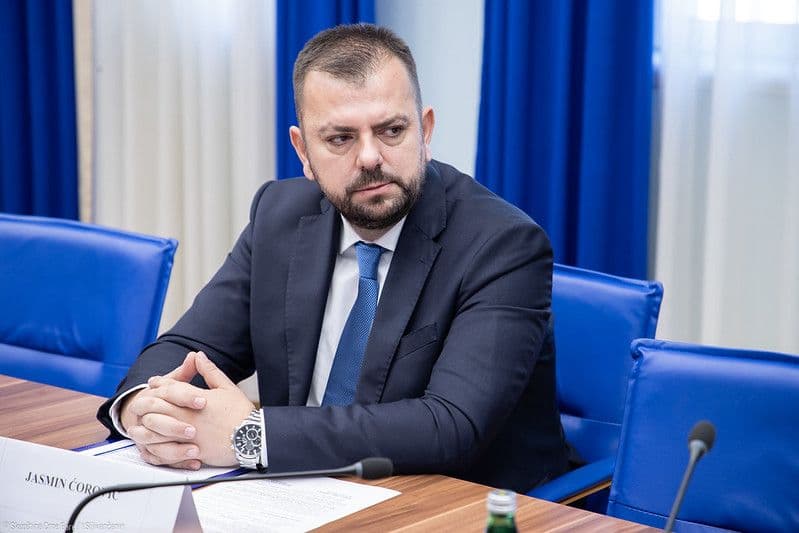
Jasmin Ćorović, a vice president of the Bosnian Party and a member of the Montenegrin Parliament, expressed his outrage at this incident, stating that the songs celebrate “criminals and collaborators” who represent a dangerous ideology with a history of violence and destruction. He specifically condemned the veneration of figures like Pavle Đurišić and Dragoljub Mihailović, referring to them as symbols of a harmful legacy that has inflicted suffering on various ethnic groups, particularly during the turbulent times of the Second World War and the disintegration of Yugoslavia.
Ćorović articulated his concerns regarding the impact of such actions on the Bosniak and Muslim community, which has historically faced significant harm from the Chetnik movement. He remarked, “The consequences of the actions of the Chetnik movement have affected not only Bosniaks but also many Serbs.”
The event has sparked wider discussions about the persistence of nationalist ideologies in Montenegro. Ćorović noted that this retrograde mindset still finds followers today, questioning the moral implications of celebrating such figures during a religious holiday. He lamented witnessing both young and older individuals engaging in this behavior, stating, “It is disheartening to see people singing songs that glorify war criminals on a day meant for love and peace.”
In his statement, Ćorović posed a series of rhetorical questions aimed at the participants and religious figures who condone such displays. He asked how the core message of Christianity, which emphasizes love and compassion, could be reconciled with the ideology of ethnic cleansing and violence espoused by figures like Đurišić. “What kind of celebration is this?” he questioned. “Is it right or wrong? Who distorts true Orthodoxy, and for how long?”
He concluded his remarks with a heartfelt message to sincere believers, wishing them a meaningful Orthodox holiday while expressing sorrow over the negative turn of events. “Instead of hearing the voice of God, we are met with fascist songs and evil messages,” he stated, calling for a return to the fundamental values of love and understanding inherent in the faith.
The incident has raised significant concerns about the rise of nationalism and the glorification of controversial historical figures in contemporary Montenegro, prompting calls for reflection on the values that should guide national celebrations and community interactions.