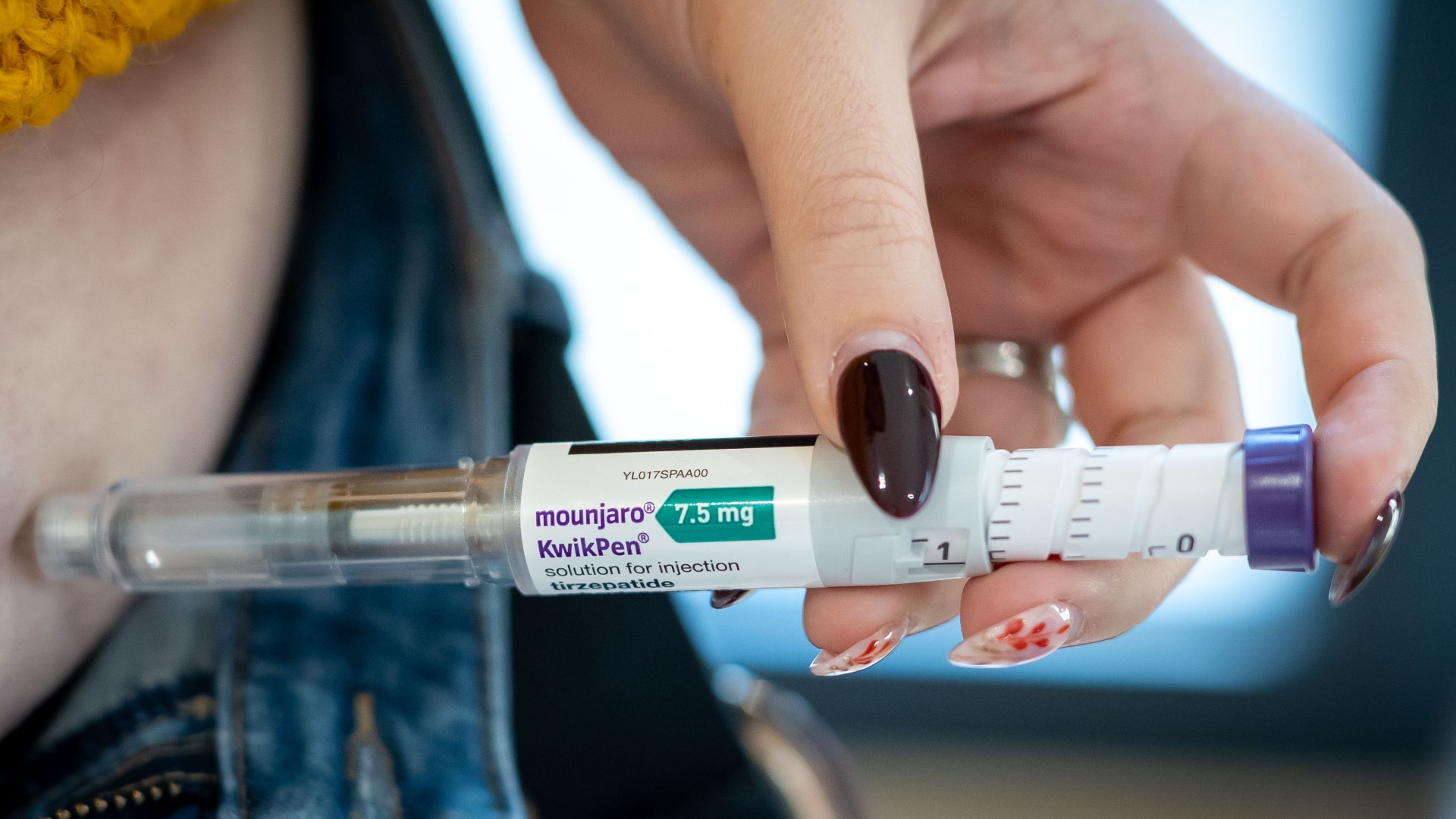
Recent research indicates that individuals who use weight loss injections regain weight significantly faster than those who rely on traditional dieting methods. A study conducted by experts at Oxford University examined the outcomes of 9,341 participants across 37 studies. The findings suggest that users of medications such as Mounjaro and Wegovy are likely to regain weight at a rate four times faster than those following diet and exercise regimes.
According to the research, most individuals who discontinued the use of these medications regained all the weight they had lost within two years. In addition to weight regain, they also experienced a return to higher blood pressure and cholesterol levels, which had improved during treatment. In contrast, those who adhered to a combination of diet and exercise lost less weight overall but maintained their weight loss for a longer period.
Dr. Sam West, a researcher at Oxford University, stated, “We found that people taking medication lose more weight but they regain their weight four times faster.” The study revealed that patients who ceased medication returned to their baseline weight an average of 1.7 years after stopping treatment, while those who engaged in behavioral programs took almost four years to regain the same amount.
The popularity of weight loss injections has surged due to their perceived ease and effectiveness. Recent estimates from University College London indicate that approximately 1.6 million individuals in the UK utilized these drugs in the past year. Alarmingly, about one in ten adults—totalling 4.9 million—are either current users or express a desire to use them in the future. This trend occurs against a backdrop where two-thirds of the UK population is classified as overweight, and nearly 30% are considered obese.
Experts caution that these injections should not be viewed as a standalone solution for obesity. They emphasize the necessity for individuals to incorporate sustainable changes to their diet and lifestyle. The Oxford study, published in the British Medical Journal, highlighted that patients using weight loss injections gained an average of 400 grams per month after stopping treatment. In comparison, those employing diet and exercise regained only 100 grams per month.
Dr. Susan Jebb, co-author of the study and a prominent expert in obesity, remarked, “We’ve shown that weight regain after medication is common and is rapid. When the drug stops and appetite returns, it seems that current strategies are not sufficient to enable people to continue to manage their weight.” She advocates for a paradigm shift in treating obesity, suggesting that these treatments may need to be continued throughout a patient’s life, akin to how chronic conditions such as hypertension are managed.
Additionally, Dr. Qi Sun from Harvard University, who was not involved in the study, advised against viewing these injections as a magic solution for obesity. The findings underscore the complexities of weight management and the need for a comprehensive approach that includes lifestyle modifications alongside any medical interventions.
Overall, the study presents critical insights into the long-term effectiveness of weight loss injections and the importance of sustainable weight management strategies. As the conversation around obesity treatment continues, the implications of these findings may influence future guidelines and individual approaches to weight loss.