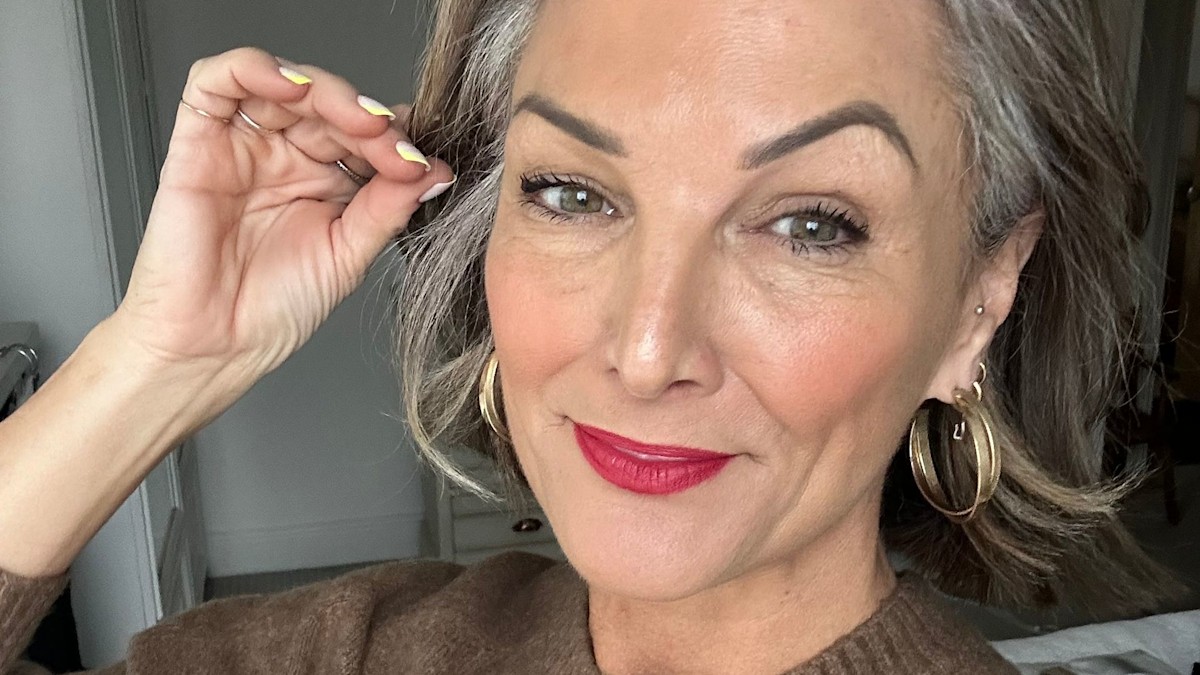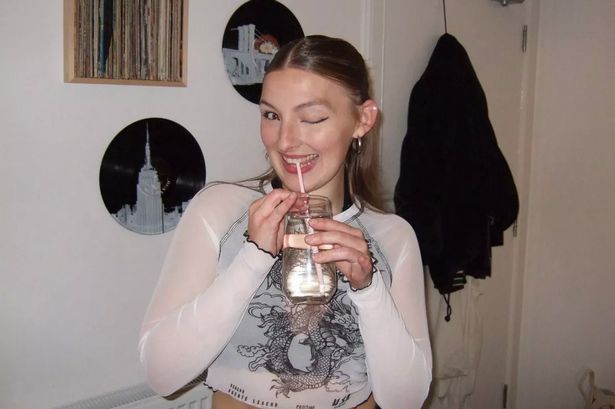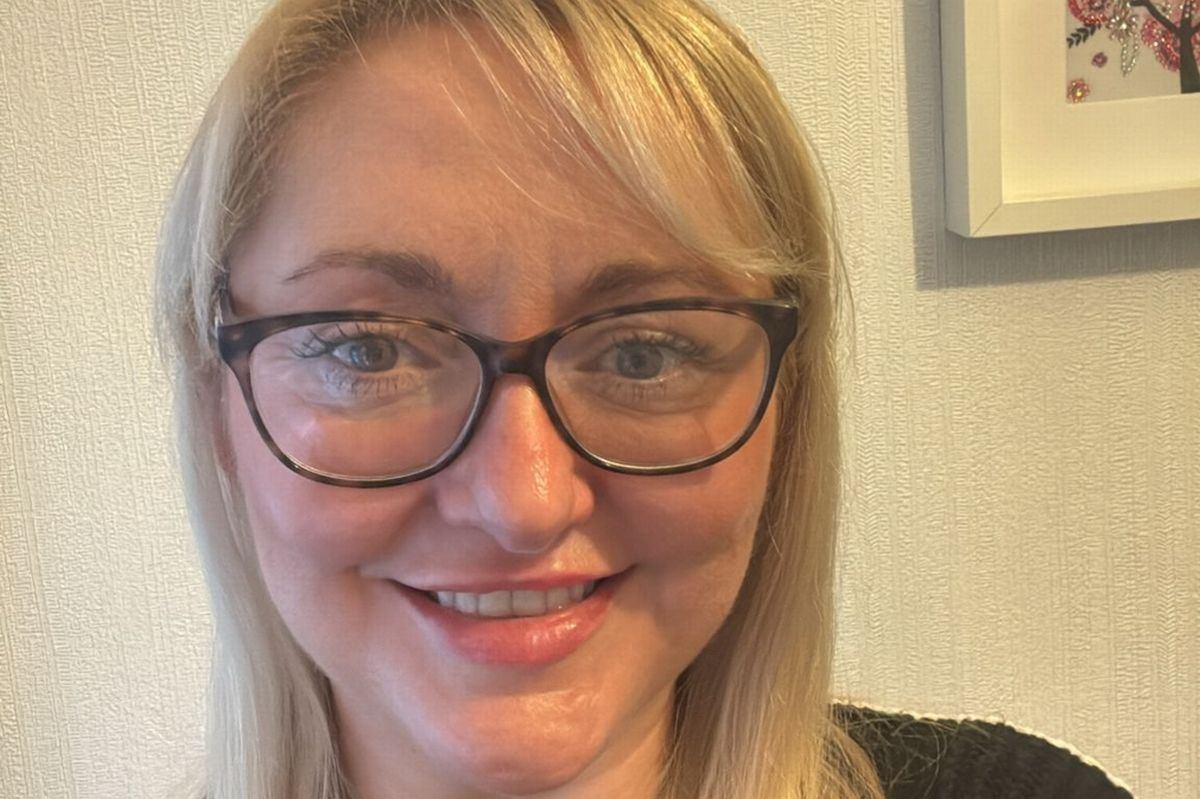
A woman from Washington, Kelly Mould, has bravely shared her experience with alcoholism, detailing the life-threatening situation that prompted her to seek recovery. Almost seven years ago, she consumed over a litre of vodka daily, a habit that jeopardized her health and nearly cost her life. Doctors warned her bluntly that if she did not stop drinking immediately, her liver might not last the year.
At 41, Mould found herself at a critical juncture. She was unable to function normally due to her drinking and had attempted to quit multiple times without success. Speaking during Love Your Liver Month, she reflected on her struggles and the pivotal moment that changed her life.
Facing the Reality of Addiction
In 2019, following a significant relapse, Mould was hospitalized in Newcastle where liver specialists delivered a stark message: without immediate change, she faced organ failure. “Hearing that my liver was in such a fragile state shook me,” she recounted. The doctors at Freeman Hospital informed her that her liver was functioning at its absolute maximum and warned that if she continued drinking, the consequences would be dire.
Despite understanding the severity of her condition, Mould struggled to remain sober. She enrolled in a reduction program at Plummer Court, part of the NHS’s treatment and recovery services, but relapsed shortly after completing the two-week program. “When you relapse, you go to the last point you put down, but my body just couldn’t cope. That triggered all of the health problems I experienced,” she explained.
Ultimately diagnosed with fibrosis, an early stage of liver scarring, Mould faced an uphill battle. “I never expected to hear such devastating news about my liver,” she said. “I was told I needed to stop drinking immediately to prevent further damage.”
A Turning Point in Recovery
Despite her earlier attempts, Mould reached a turning point on the day of the funeral of Queen Elizabeth II. As evening approached, she contemplated getting more alcohol but ultimately decided against it. “I had lost track of time. My first thought was ‘just go to the garage’. But I didn’t,” she recalled. Since that moment, she has remained sober.
Now, as part of a mental health crisis team, Mould leverages her experiences to support others facing similar struggles. “It’s now my fourth year of sobriety coming up in September 2023. It’s been great, it really has,” she expressed. Mould highlighted the drastic improvements in her physical and mental health, noting that she can now enjoy simple moments that were impossible during her addiction, such as making a cup of coffee without shaking.
Dr. James Crosbie, a GP and consultant gastroenterologist at the South Tyneside and Sunderland NHS Trust, emphasized the prevalence of alcohol-related liver diseases in the region. “The more you drink, the higher the risk — and unlike age, gender or family history, alcohol is a risk factor we can actively change,” he stated.
Despite a reported decline in alcohol-related deaths since 2017, the situation remains concerning, particularly in light of the pandemic’s impact. Susan Taylor, head of alcohol policy for the campaign group Balance, noted that while awareness of alcohol health risks is low, a significant majority in the North East recognize alcohol as a regional and national issue. “We need national action to reduce alcohol harm,” she added.
Kelly Mould’s journey underscores the challenges of addiction and the possibility of recovery. Her story serves as a powerful reminder of the importance of support, awareness, and determination in overcoming the grips of alcoholism.