In 2025, numerous walking trends emerged, with one individual testing ten different methods to discover which ones offered lasting benefits. After a year of experimentation, only three walking styles proved to be beneficial enough to continue into 2026.
Exploring the Walking Trends of 2025
The walking trends explored included “Japanese walking,” “retro walking,” “meditative walking,” “rucking,” and more. While many were intriguing, the review highlighted that not all could be sustained. Notably, “plogging” did not resonate with the tester, who found it less enjoyable compared to other styles.
Among the various methods, “6-6-6 walking,” which required alternating between six minutes of high-intensity walking and six minutes of moderate pace, was deemed too restrictive. Similarly, “rucking,” which involves walking with a weighted backpack, was found to be less appealing in practice despite its potential benefits for posture.
Three Walking Trends That Made the Cut
The three walking methods that remained in the routine are “Japanese walking,” “retro walking,” and a more relaxed approach to walking.
Japanese walking quickly became a favorite, despite initial skepticism. This method involves alternating between fast-paced walking and slower intervals, contributing to improved cardiovascular health. According to Dr. Suzanne Wylie, a general practitioner, this approach can enhance both physical and mental health. Her insights suggest that consistent, moderate-intensity walking, especially when combined with mindfulness, can yield significant health benefits. The appeal of Japanese walking lies in its efficiency, allowing individuals to achieve a solid workout in just half an hour.
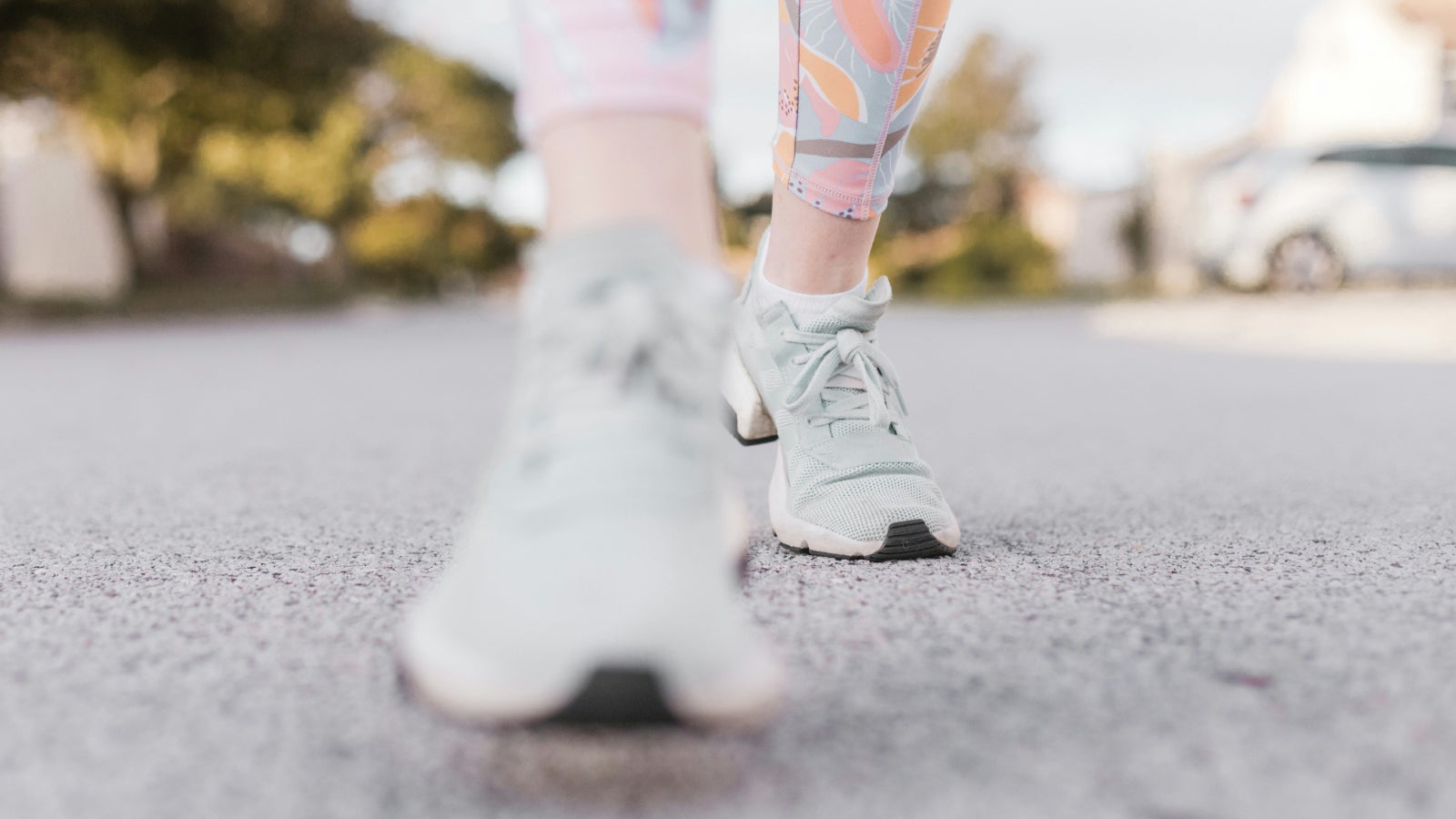
Retro walking is another method that proved surprisingly beneficial. This technique involves walking backwards and has been linked to various health improvements, particularly for joint health. Dr. Wylie notes that retro walking engages different muscle groups and reduces stress on the knees, making it a suitable option for those experiencing discomfort. The initial embarrassment of walking backwards in public has been outweighed by its positive effects on balance and overall fitness.
The final method, a more laid-back approach to walking termed “meditative walking,” emphasizes the mental benefits of simply enjoying the act of walking without the pressure of performance. Joy Puleo, a pilates expert, highlights that walking can reduce anxiety and enhance overall well-being. This approach encourages individuals to focus on the journey rather than the destination, allowing for a more fulfilling experience.
Reflecting on the year’s experiment, the tester realized that embracing a variety of walking styles can lead to both physical and mental health benefits. The insights gained from these walking trends will undoubtedly shape future routines as more individuals seek effective and enjoyable ways to stay active.
As 2026 approaches, these three walking methods promise to remain essential components of a healthy lifestyle, providing both physical exercise and mental relaxation.