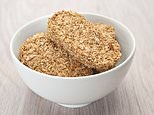
Weetabix, a popular breakfast cereal, has long been a staple in many households, particularly in the UK. Despite its wholesome reputation, questions have emerged about its health benefits and nutritional value. Experts suggest that while Weetabix can be a healthy choice, it is often consumed incorrectly, leading to misconceptions about its impact on health.
Weetabix is primarily made from wholegrain wheat and was first introduced in the 1920s as a product called Weet-Bix by Australian entrepreneur Bennison Osborne. Although it struggled for popularity in Australia, it has become a well-loved breakfast option in the UK, where millions consume it weekly. The cereal contains wholegrains, malted barley extract, sugar, and salt, and is fortified with essential vitamins and minerals.
Nutritional Profile and Health Benefits
According to Dr. Duane Mellor, a Registered Dietitian and Senior Lecturer at Aston Medical School, Weetabix offers several nutritional advantages. It is particularly high in fibre, with two biscuits providing approximately 4 grams of fibre, which represents about 13 to 15 percent of the recommended daily intake for adults. This fibre is mainly insoluble, aiding digestion and promoting gut health.
Despite these benefits, Weetabix has received criticism. Some health experts argue that its processing makes it easier to digest, resulting in a medium to high glycaemic index (GI). This means it can cause a faster rise in blood sugar levels compared to less processed cereals. Dr. Mellor points out that while Weetabix can be part of a healthy diet, it is important to pair it with protein or healthy fats to enhance its nutritional value and prolong satiety.
How to Enhance Your Weetabix Experience
To maximize the health benefits of Weetabix, consider incorporating additional ingredients. For instance, adding nuts or seeds can introduce healthy fats and proteins, slowing digestion and helping maintain stable blood sugar levels. Adding fruits, such as berries, can increase both fibre content and satiety.
In terms of calorie content, two biscuits contain around 136 calories, making it a lower-calorie choice compared to many other breakfast options. However, most of these calories come from carbohydrates, with minimal protein and fat. This composition may lead to quicker hunger after breakfast, particularly for those not consuming additional protein or fat alongside it.
Weetabix is also low in sugar, with two biscuits containing about 4.4 grams of sugar, primarily derived from malted barley extract rather than added sugars. This lower sugar content makes it a preferable option compared to many flavored cereals or granolas.
Nevertheless, individuals should be cautious about what they add to their Weetabix. Sweetened plant milks, honey, or dried fruits can quickly increase sugar content, which can significantly alter its health profile.
Who Should Exercise Caution?
While Weetabix is a nutritious choice for many, it is not suitable for everyone. Those with coeliac disease must avoid it due to its gluten content. Additionally, individuals with sensitive digestive systems, such as those suffering from irritable bowel syndrome, may find wheat-based cereals trigger discomfort.
People with diabetes, particularly type 1, should monitor their blood sugar levels closely when consuming Weetabix. Dr. Mellor notes that some individuals may experience spikes in blood glucose following consumption, which can be managed by including protein or fibre-rich foods.
In summary, Weetabix can be a healthy breakfast option when consumed properly. Understanding its nutritional profile and making informed choices about what to add can transform this classic cereal into a more balanced meal. As dietary preferences continue to evolve, Weetabix remains a versatile option that can cater to various nutritional needs.