Experiencing pain during sex is a reality for many women, with over half (57 percent) of women in the UK reporting such discomfort at some point, according to YouGov data. This pain can manifest in various ways, including sharp stings, deep aches, or burning sensations. It may occur around the vulva, deeper near the cervix, or even radiate into the abdomen. Recognizing the underlying causes of this pain is essential for effective treatment.
Common Causes of Pain During Sex
Dr. Sima Al Asad, founder of Dr. Sima Aesthetics, emphasizes that painful sex, medically known as dyspareunia, is often linked to identifiable medical issues. “In my practice, I routinely see women who have endured discomfort for extended periods, unaware that effective treatments exist,” she states. The causes may include infections, hormonal fluctuations, and even lifestyle choices.
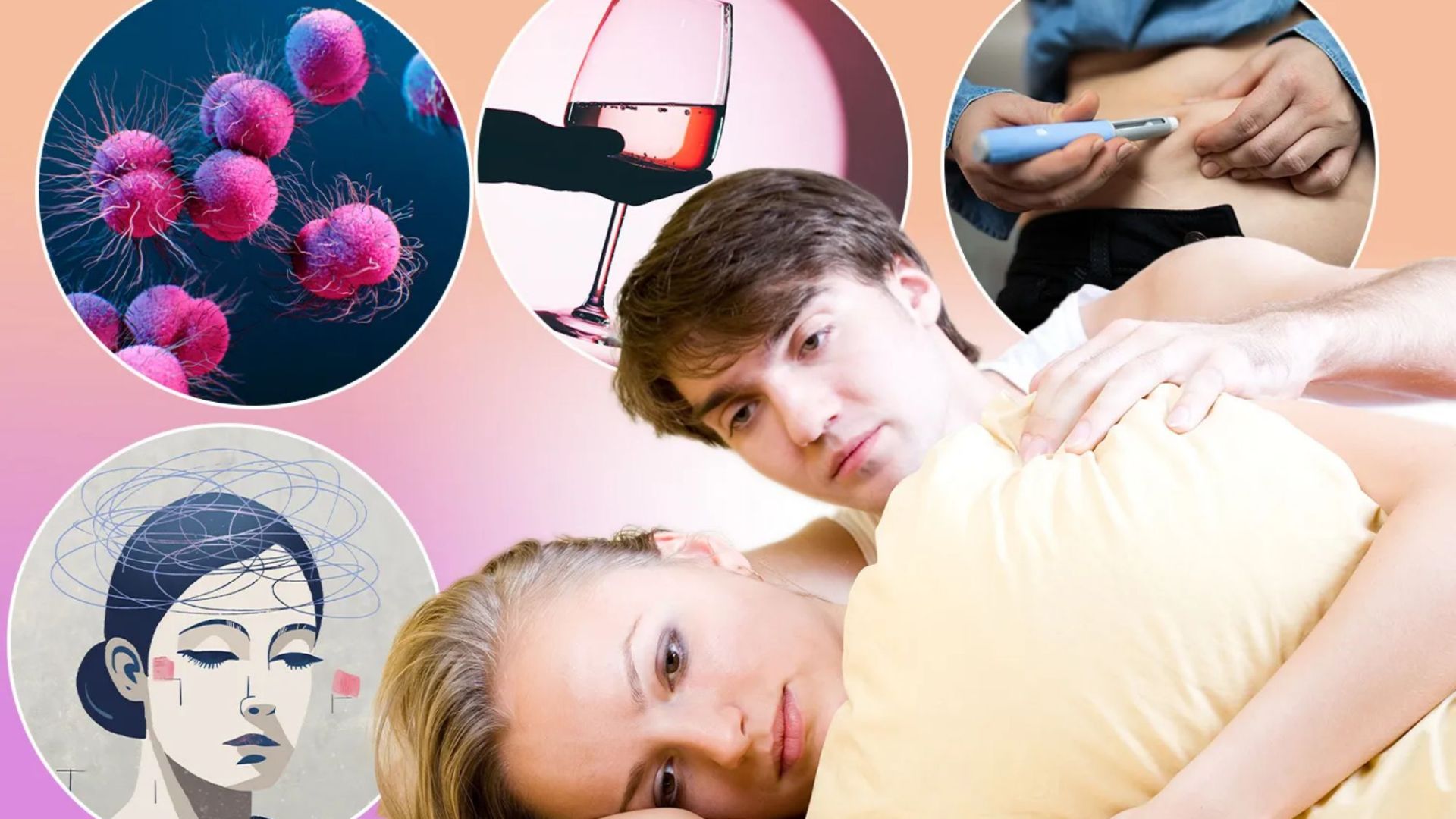
Alcohol consumption is one factor that can exacerbate sexual discomfort. While a few drinks may enhance libido, they can also lead to pain. Dr. Al Asad explains that alcohol acts as a dehydrating agent, which can decrease blood flow to the genital area and result in insufficient lubrication. This condition heightens the likelihood of vaginal dryness, irritation, and discomfort during intercourse.
Infections and Their Impact
Another significant contributor to pain during sex is sexually transmitted infections (STIs). Despite a decline in overall rates, there were still 364,750 new STIs diagnosed in the UK in 2024, according to NHS statistics. Common infections such as chlamydia, gonorrhoea, and herpes can lead to painful intercourse, often accompanied by other symptoms like unusual discharge or itching.
Professor Vijay Nayar, a GP at Healthium Clinics, advises anyone suspecting an infection to visit their local sexual health clinic for confidential and free testing. Early diagnosis can allow for prompt treatment, which may involve antibiotics or topical creams.
Pelvic congestion syndrome (PCS) is another condition that can lead to pain during sex. Affecting approximately 1.5 million women in the UK, PCS is often misdiagnosed as endometriosis. Symptoms include pelvic pain, frequent urination, and discomfort during intercourse. Sophie Strong, lead consultant gynaecologist at the Pelvic Pain Clinic, notes that traditional MRI scans may not detect PCS, leaving many women without a proper diagnosis.
Hormonal Influences
Hormonal fluctuations are also a major factor in painful sex. Dr. Al Asad points out that changes in hormone levels, particularly oestrogen, can lead to thinning and dryness of vaginal tissues. This issue may arise from contraceptive use, perimenopause, or menopause. Contraceptives that suppress ovulation can further contribute to dryness and reduced sexual arousal.
For many women, the symptoms are treatable. Options include lubricants, vaginal moisturizers, and local vaginal oestrogen treatments. Women experiencing hormonal changes are encouraged to consult their GP for potential adjustments in their contraceptive or hormone replacement therapy.
Impact of Weight Loss Treatments
The rise of weight loss medications such as Mounjaro, Ozempic, and Wegovy has led to discussions about their unintended effects on sexual health. With approximately 2.5 million people in the UK using these treatments, Dr. Al Asad has noted that rapid fat loss can alter the natural padding around the vulva, potentially leading to increased friction and discomfort during sex.
These changes, dubbed “Ozempic vulva,” can include increased wrinkling or sagging of the vulva. While some women may experience heightened sexual desire due to increased confidence from weight loss, others may find a temporary dip in libido as their bodies adjust.
Psychological Factors
While physical causes of painful sex are significant, psychological factors must also be considered. Anxiety can lead to involuntary tightening of the pelvic floor, making penetration painful or impossible. Dr. Al Asad highlights that communication issues within relationships can exacerbate these feelings.
Professional help, including psychosexual therapy, can be beneficial for women experiencing anxiety or trauma. The College of Sexual and Relationship Therapists (COSRT) offers resources for finding qualified therapists.
In summary, painful sex is a complex issue often rooted in both physical and psychological factors. Understanding these underlying causes is vital for seeking appropriate treatment. Women experiencing persistent pain should consult a healthcare professional to explore available options and improve their sexual health.