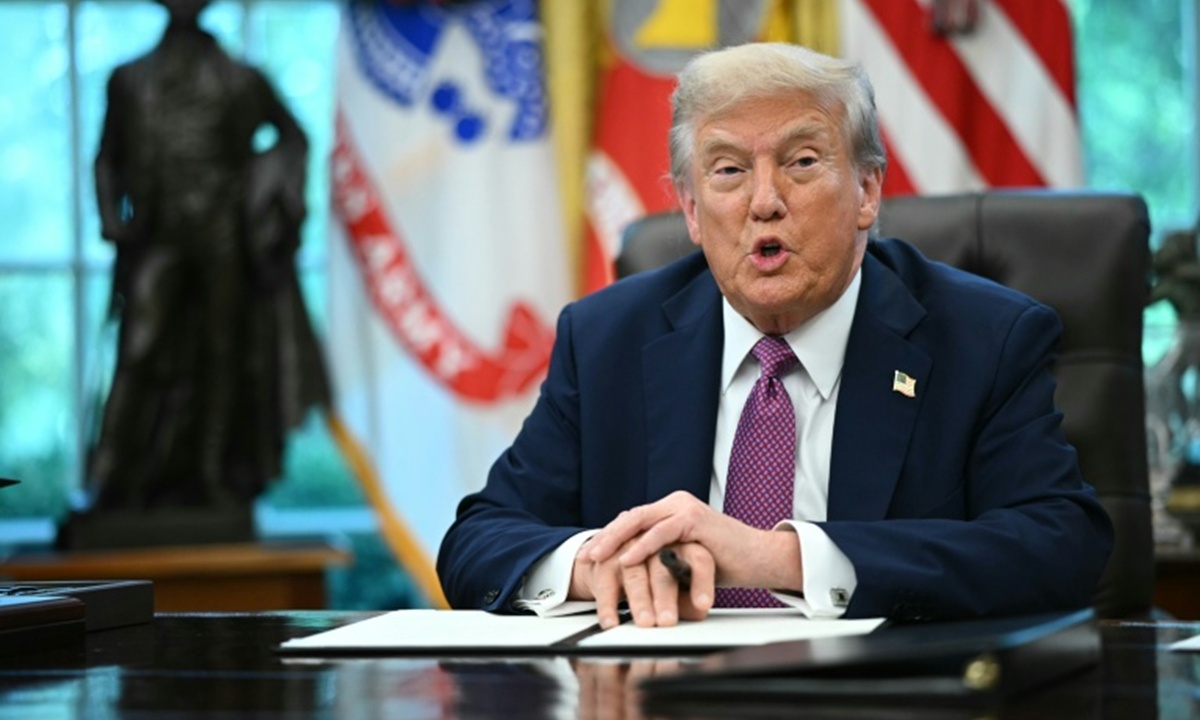
Donald Trump has openly acknowledged that he consumes more aspirin than recommended by his doctors. In an interview with The Wall Street Journal, the sitting U.S. president, now in his late seventies, revealed his disregard for medical advice, which raises significant health concerns. He stated that he has taken aspirin in excess of the standard dosage, a habit that could have serious implications for his well-being.
In the interview, Trump commented on the imaging scans he underwent in October 2023, stating, “In retrospect, it’s too bad I took it because it gave them a little ammunition.” This admission not only highlights his nonchalant attitude toward medical guidance but also reflects a broader tendency to prioritize personal judgment over professional recommendations.
Health Risks of Excessive Aspirin Consumption
Aspirin, while commonly viewed as a benign over-the-counter medication, poses real risks when taken in higher doses than advised. The American Heart Association suggests a low-dose regimen of typically 81 milligrams daily for individuals with established cardiovascular disease or significant risk factors. For otherwise healthy older adults, the benefits of aspirin use are increasingly questioned, particularly as the potential dangers become more apparent.
Chronic overuse of aspirin can lead to serious health issues, including gastrointestinal bleeding, which can occur as the stomach lining erodes over time. Additionally, higher doses can paradoxically increase the risk of hemorrhagic stroke, where the medication intended to prevent clotting instead leads to dangerous bleeding in the brain. Other concerns include kidney damage, which is especially critical for older individuals, and potential tinnitus and hearing loss, indicating systemic stress from excessive salicylate intake.
Despite these risks, Trump appears to regard medical recommendations as optional. He has previously shown a similar disregard for medical interventions, such as abandoning compression socks intended to alleviate swollen ankles, citing their appearance as a reason. Swollen ankles in elderly patients can signal serious conditions like heart failure or kidney problems, yet Trump’s aesthetic preferences took precedence over his health needs.
Implications for Governance
This pattern of dismissing medical advice extends beyond personal health and raises questions about Trump’s governance. If he can disregard his doctors’ guidance on something as fundamental as medication, what other expert counsel might he overlook? Concerns emerge regarding his approach to intelligence briefings and economic advice, particularly if they contradict his instincts or political messaging.
White House aides have emphasized Trump’s vigorous schedule and apparent vitality, suggesting that his energy levels are impressive for his age. However, the details of his medical habits reveal a troubling narrative. What appears to be vigor may in fact be denial and neglect of necessary health precautions.
While Trump’s doctors have presumably certified his medical fitness, the critical question remains: can a president who consciously chooses to deviate from medical guidance be trusted to make sound decisions regarding national security, economic policy, or military intervention? A leader who casually consumes aspirin without medical oversight and dismisses imaging scans as “ammunition” for critics signals a dangerous disconnect between self-perception and medical reality.
For many Americans, these revelations represent a significant health concern, highlighting the potential risks of leadership that places personal judgment above expert advice. The implications extend beyond Trump himself, raising essential questions about the decision-making processes at the highest levels of government.