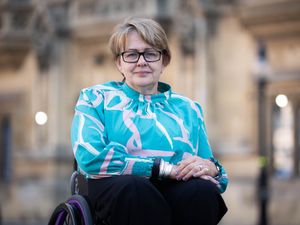
Baroness Tanni Grey-Thompson has publicly shared her experience with disordered eating while discussing the implications of the Terminally Ill Adults (End of Life) Bill in the House of Lords. During a recent session, she revealed that throughout her career as a professional athlete, she engaged in “carefully managed” eating habits to maintain her race weight of 45 kilograms, a figure that she described as comparable to that of an 11-year-old girl.
In her address, Lady Grey-Thompson noted that her behavior fell more into the realm of “disorderly eating” rather than a clinically diagnosed eating disorder. She highlighted the rigorous demands placed on athletes, which often include frequent measurements of body fat and other metrics tied to performance and funding.
The discussion around the Bill has intensified, particularly concerning amendments that aim to safeguard individuals with eating disorders from qualifying for assisted dying. Peers in the House of Lords have agreed to include provisions that exclude those voluntarily stopping food and hydration from eligibility. This change follows concerns raised by Members of Parliament about the potential risks posed to individuals suffering from disorders like anorexia.
Lord Falconer of Thoroton, who is leading the Bill in the House of Lords, remarked that there was a consensus regarding the need for amendments to address the issue. He stated: “The matter was raised in the Commons, and an amendment was agreed at report, because everybody agreed that people with anorexia should not be able to get themselves into eligibility.”
While the amendment concerning anorexia received broad support, Lady Grey-Thompson cautioned that the legislation still has a significant gap regarding other eating disorders, particularly bulimia. She expressed her concerns to the Press Association, stating that the current draft does not adequately protect individuals suffering from a range of eating disorders.
Actress Sophie Turner has also voiced her apprehensions regarding the Bill, emphasizing the serious risks it may pose to those with eating disorders. In November 2023, she was part of a group that sent a letter to peers, calling for a more comprehensive approach to the legislation. Turner, who has publicly shared her own struggles with eating disorders, urged lawmakers to consider the broader implications of the Bill.
The proposed legislation aims to provide terminally ill adults with access to assisted dying if they are within six months of their projected death. This has sparked a heated debate about the moral and ethical implications of such measures, particularly as they relate to vulnerable populations, including individuals with eating disorders.
During the discussions, Lady Grey-Thompson recounted her personal experiences with disordered eating, mentioning that she often felt pressure to conform to strict weight guidelines. She revealed that her training included regular vomiting, a behavior that raised concern among medical professionals. “If I was bulimic, I don’t think that would have been the way to address it,” she reflected.
Lady Grey-Thompson further emphasized the need for a broader understanding of eating disorders, noting that anorexia represents only a small fraction of the issue. She stated, “Anorexia is about 8% of eating disorders, so we need to think about bulimia and other conditions as well.”
Additionally, Baroness Berger, a Labour peer, echoed Lady Grey-Thompson’s sentiments, highlighting the need to address all gaps related to eating disorders in the legislation. She pointed out the dangers associated with bulimia, which can lead to severe health complications, including sudden cardiac death.
The recent discussions in the House of Lords reflect a growing recognition of the complexities surrounding mental health and illness in the context of assisted dying. As the Bill progresses, its final approval will depend on consensus from both Houses of Parliament, ensuring that vulnerable individuals are adequately protected under the law.
As the debate continues, the insights shared by Lady Grey-Thompson and others bring to light the critical intersection of health, ethics, and legislative responsibility, emphasizing the need for comprehensive safeguards for all individuals affected by eating disorders.