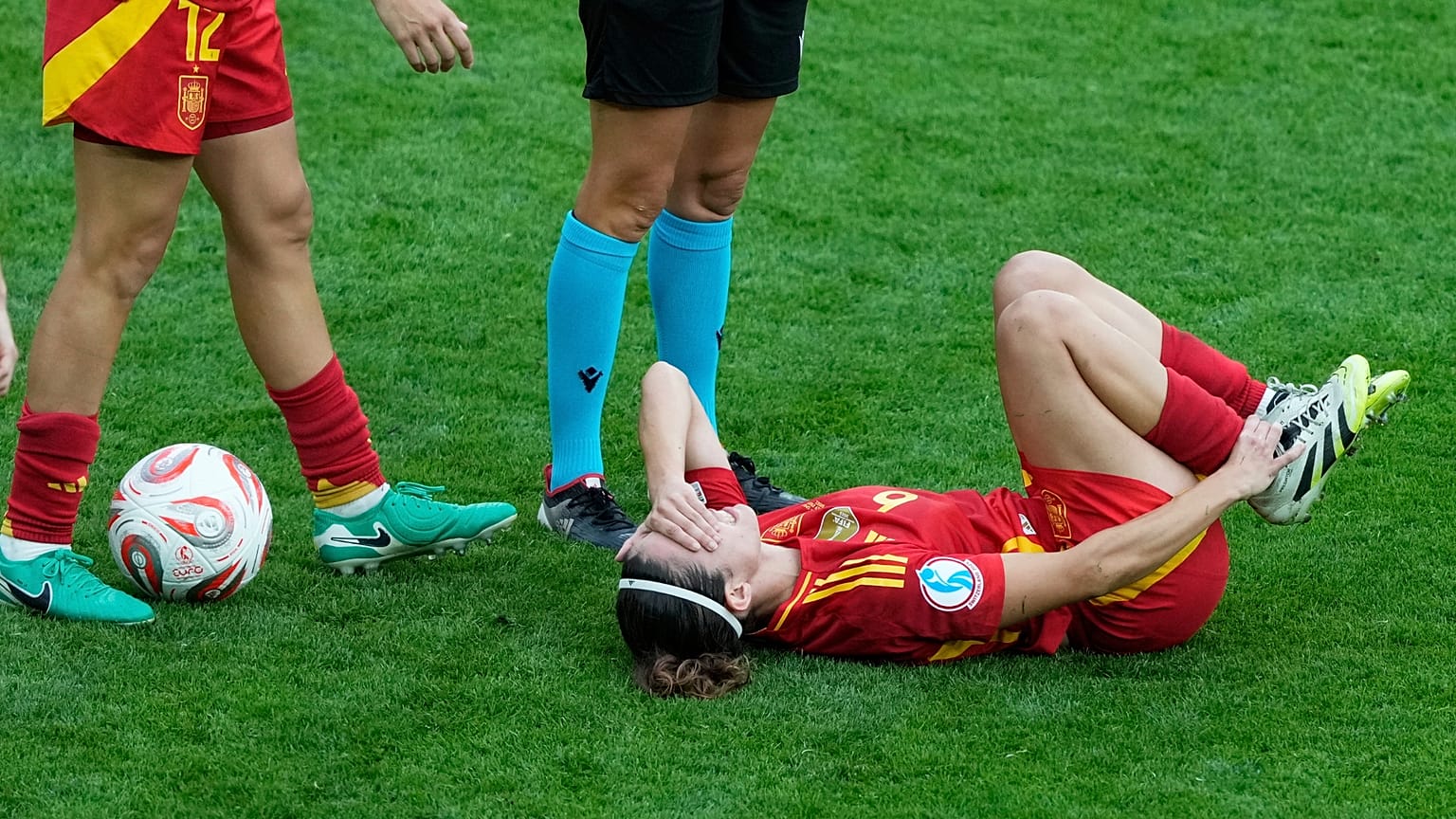
Female footballers may face longer recovery times from injuries sustained during their menstrual periods, according to a significant study published on March 5, 2024, in the journal Frontiers in Sports and Active Living. The research highlights that while menstruation does not increase the likelihood of injuries, it is associated with more severe outcomes when injuries do occur.
The study involved monitoring players from FC Barcelona over four seasons from 2019 to 2023 while they competed in Spain’s professional national league. Lead author Eva Ferrer, a specialist in sports medicine and female health at Sant Joan de Déu Hospital and the Barça Innovation Hub, emphasized the findings. “We show that menstruation itself does not increase how often injuries happen,” Ferrer stated.
However, the results indicate that injuries sustained during menstruation led to three times more days lost due to recovery compared to injuries occurring at other times in the menstrual cycle. Specifically, soft tissue injuries to muscles, tendons, and ligaments took over three times longer to heal when these injuries happened during bleeding days. The study recorded an alarming total of 684 days lost per 1,000 training hours for injuries incurred during menstruation, compared to just 206 days for those occurring at other times.
Implications for Training and Injury Prevention
Ferrer suggested that small adjustments to training routines could mitigate the severity of injuries that occur during menstruation. “Small modifications such as longer warm-ups, adjusted high-speed workload, or added recovery support may help reduce the severity of injuries if they occur,” she noted.
The menstrual cycle causes fluctuations in hormone levels that can significantly impact various aspects of physical performance. Low estrogen levels can hinder muscle repair and elevate feelings of fatigue, pain, and even disrupt sleep patterns. Additionally, the loss of iron during menstruation can compromise stamina and slow recovery times, potentially leading to worse outcomes for athletes.
This research aligns with previous studies that have linked hormonal changes to adverse effects in sports injuries, particularly among female athletes. The International Federation of Association Football (FIFA) is currently funding a separate study initiated earlier this year, focusing on the relationship between the menstrual cycle and anterior cruciate ligament injuries in women’s football.
Researcher Simon Augustus stated, “We know hormones fluctuate during different phases of the cycle, but we don’t yet know how much of an influence that may have on the risk of injury.” The ongoing study will specifically monitor levels of estrogen and progesterone, hormones known to contribute to increased ligament laxity and slower neuromuscular reaction times.
As the conversation around women’s health in sports continues to evolve, these findings underscore the need for tailored approaches in training and injury management for female athletes. Understanding the impacts of the menstrual cycle on performance and recovery could pave the way for improved health strategies, ultimately enhancing the athletic careers of female footballers.