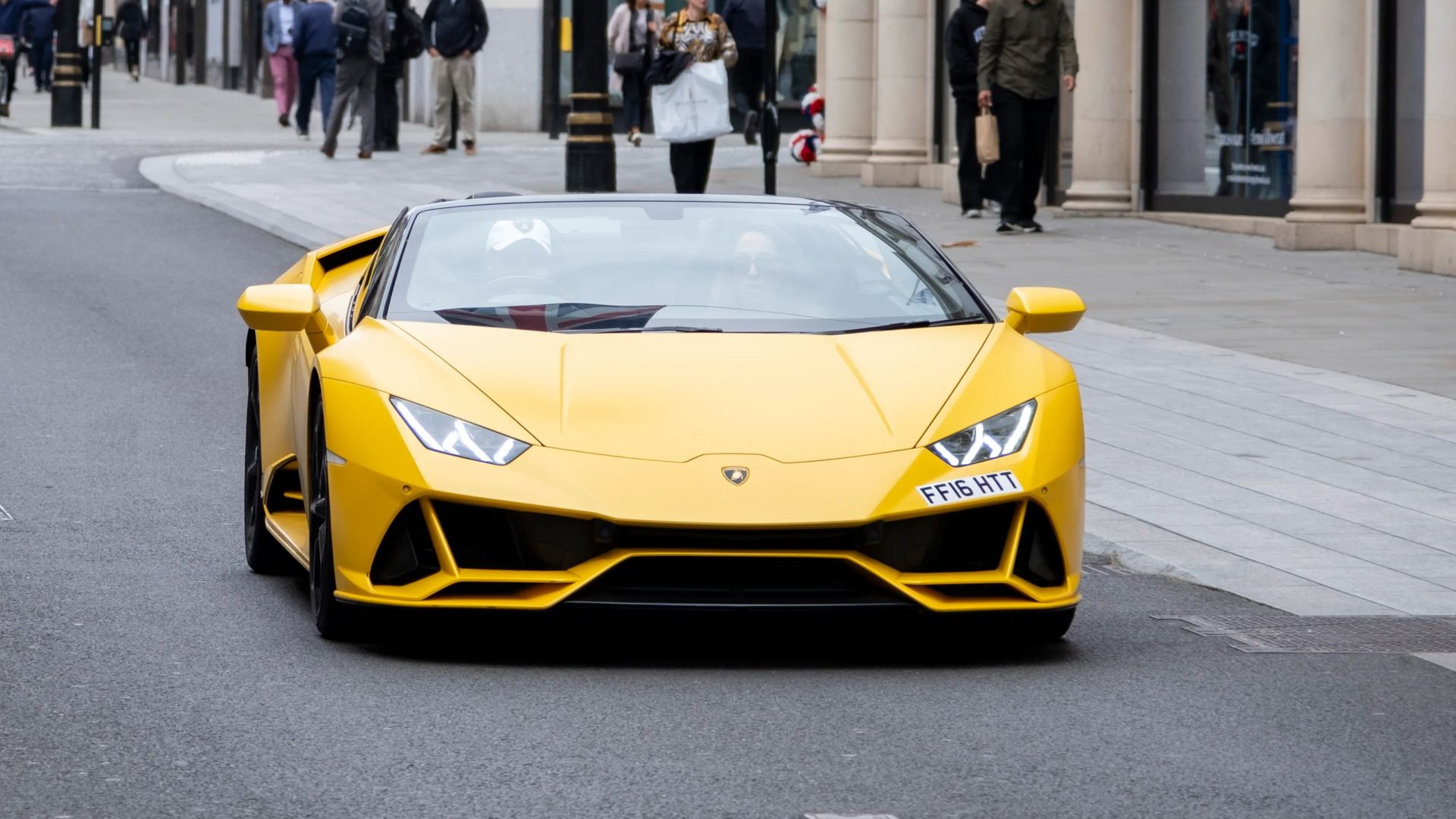
Research conducted by scientists at Western Sydney University has uncovered a surprising link between men’s choice of vehicles and insecurities regarding their body image. The study found that some men who drive fast sports cars may be motivated by concerns about the size of their genitals. This phenomenon highlights how deeply insecurities can influence personal choices, especially in the realm of masculinity.
The investigation involved a survey of 763 men, revealing that low confidence levels were often associated with perceptions of penis size. According to the study’s lead author, Dr. Cindy Harmon-Jones, this obsession with size can significantly impact men’s lives. Despite widespread surveys indicating that most women do not prioritize size, many men continue to seek alternate symbols of masculinity, such as powerful sports cars.
Understanding the Psychological Link
Dr. Harmon-Jones explained that the findings align with the popular belief that men worried about their penis size might compensate by acquiring status symbols. “A man who is concerned his penis is small may seek alternate symbols of masculine status such as a powerful sports car,” she stated. This desire for validation can stem from deeply rooted insecurities regarding fulfilling traditional masculine roles.
The study also highlighted that men who harbor concerns about their size are more likely to desire luxury vehicles. A separate 2023 study further supported this connection, indicating that men could be more inclined to crave high-end cars if they are led to believe that their genital size is below average.
Average Measurements and Societal Perceptions
The NHS provides average measurements for adult males, stating that the typical size is between 2.5 to 4 inches when flaccid and 5 to 7 inches when erect. These figures present a standard that many men feel pressured to meet, contributing to their feelings of inadequacy and insecurity.
Despite the substantial evidence from these studies, societal perceptions often remain unchallenged. Dr. Harmon-Jones emphasized that the psychological implications of these insecurities deserve attention. “Men driven by insecurity regarding fulfilling the masculine role may pursue status through material possessions,” she noted.
This intersection of masculinity, self-image, and consumer behavior opens up new avenues for understanding how societal expectations shape personal choices. As men continue to navigate these pressures, the implications of their responses, such as purchasing a sports car, illustrate the lengths to which some may go to assert their identity and status in society.