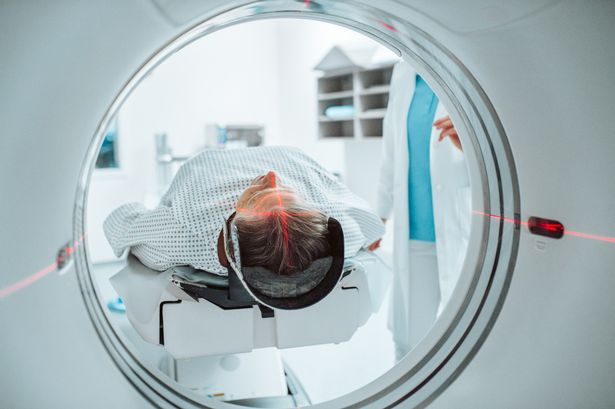
Researchers have made a significant advancement in understanding multiple sclerosis (MS), potentially leading to more effective treatments. Utilizing artificial intelligence (AI), a team from University College London (UCL) analyzed brain scans and blood markers related to nerve cell injury, resulting in the identification of two distinct sub-types of the condition. This breakthrough may enhance the personalization of treatment options for patients suffering from MS, a disease affecting the brain and spinal cord.
The study, published in the journal Brain, involved assessments of 634 MS patients and focused on the serum neurofilament light chain (sNfL), a blood marker indicative of nerve cell damage. According to Dr. Arman Eshaghi, lead author of the study from the UCL Queen Square Institute of Neurology, the findings reveal how individuals with MS can experience diverse disease trajectories.
Understanding MS Sub-Types
The research identified two biological sub-types of MS: the early-sNfL sub-type and the late-sNfL sub-type. Patients classified as early-sNfL exhibited high levels of sNfL early in their disease progression, along with damage to the corpus callosum, a brain region crucial for cognitive functions and coordination. In contrast, the late-sNfL sub-type displayed a delayed increase in sNfL, which correlated with early volume loss in both cortical and deep grey matter.
These findings challenge the traditional classifications of MS, which include relapsing-remitting, secondary progressive, and primary progressive types. Dr. Eshaghi noted that current labeling does not account for the biological variability observed in patients. He stated, “This work at University College London and Queen Square Analytics is helping to change our understanding and definition of MS types and their treatment in the near future.”
Implications for Treatment
The implications of this research are profound. Caitlin Astbury, senior research communications manager at the MS Society, emphasized the importance of identifying biological sub-types, stating, “By combining MRI and biomarker data, they were able to identify two new biological subtypes of MS.” She added that a deeper understanding of the biology of MS could lead to more effective treatments that address the complexities of the disease.
Currently, treatment options for MS focus on managing symptoms rather than stopping disease progression. Astbury highlighted that conventional definitions based on clinical symptoms often do not reflect the underlying biological processes, making it challenging to provide effective care. “The more we learn about the condition, the more likely we will be able to find treatments that can stop disease progression,” she emphasized.
The use of AI in this research exemplifies the growing role of technology in medical science. By analyzing vast amounts of data, researchers can uncover patterns that may have otherwise gone unnoticed. This approach not only enhances the understanding of MS but also opens new avenues for personalized medicine.
As research continues, the hope is that these findings will lead to innovative therapies that improve quality of life for those living with multiple sclerosis. The ongoing efforts at institutions like UCL are paving the way for a future where treatment can be tailored to the individual biological makeup of each patient, potentially transforming the landscape of MS care.