Receiving a diagnosis of a rare genetic disease can be a life-altering experience, not just for the individual affected, but also for their relationships. In this case, one woman’s journey has not only highlighted the challenges posed by her condition but has also underscored the importance of friendship and community support.
The individual, whose exact name has not been disclosed for privacy reasons, was diagnosed with [Name of the genetic disease] on [Date of diagnosis]. This rare condition is characterized by progressive symptoms that are expected to worsen over time, ultimately leading to greater physical limitations, including the potential need for a wheelchair.
Impact on Daily Life and Relationships
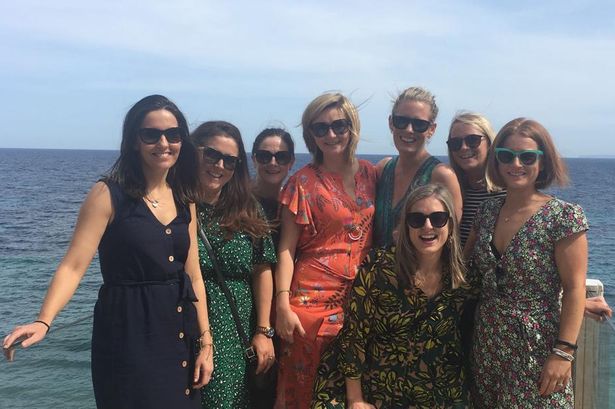
The diagnosis has demanded significant adjustments in her daily routine. Tasks that were once simple now require careful planning and assistance. Despite these challenges, the individual has discovered a profound sense of connection with her friends. They have rallied around her, demonstrating that friendship can flourish even in difficult times.
“My friends have become my biggest support system,” she remarked. “They have changed the way I see my condition, reminding me that I am not alone in this journey.” This sentiment resonates deeply within her community, where support networks for individuals with chronic illnesses are increasingly vital.
As her condition progresses, she anticipates that her friendships will continue to evolve. The shared experiences have fostered deeper bonds, with friends often attending medical appointments and participating in support groups together. This collaborative approach not only alleviates some of the emotional burdens associated with her diagnosis but also reinforces the notion that companionship is crucial when facing health challenges.
Community and Resources for Support
Numerous organizations provide resources and support for individuals diagnosed with rare genetic diseases. These entities offer educational materials, counseling, and community engagement opportunities. Through these platforms, individuals can connect with others who share similar experiences, providing a sense of belonging and understanding.
Healthcare providers emphasize the importance of mental health in managing chronic conditions. Psychological support can be instrumental in helping patients cope with the emotional toll of their diagnoses. Health professionals encourage patients to engage with their friends and family, as social support is linked to better health outcomes.
In her case, the support she receives has bolstered her resilience. The friendships strengthened by adversity have become a source of joy and comfort. “We laugh together, cry together, and share every moment,” she shared. “These relationships are what keep me going.”
The journey through a rare genetic disease is undoubtedly challenging, but it also serves as a reminder of the strength found in human connections. As she navigates her condition, this individual exemplifies how adversity can forge deeper relationships and inspire a community to come together in support of one another.