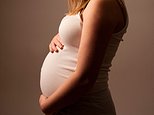
The rising levels of obesity among pregnant women in Scotland have contributed to a significant increase in caesarean section (C-section) births, with nearly half of all deliveries now performed via this surgical method. According to recent data from Public Health Scotland (PHS), 45% of babies born between July and September 2025 were delivered by C-section, a notable rise from 32% in 2017. This trend raises serious concerns about maternal and child health.
The Royal College of Physicians (RCP) has issued a stark warning about the implications of maternal obesity, emphasizing that this growing public health issue demands immediate action. In their report, the RCP highlighted that pregnant women classified as obese are twice as likely to require a C-section compared to their healthier counterparts. While C-sections can be lifesaving, they also carry inherent risks for both mothers and infants.
Recent statistics reveal that in the year ending March 2025, approximately 42,463 women gave birth in Scotland, with a record 28.5% classified as obese and 29.2% as overweight. These figures indicate an alarming trend, as the prevalence of obesity among pregnant women continues to escalate.
The risks associated with maternal obesity extend beyond the likelihood of needing a C-section. According to the RCP, obese pregnant women face significantly higher risks of developing complications. They are three times more likely to experience gestational diabetes, a condition that can lead to excessive fetal growth and delivery complications. Additionally, they are 2.8 times more likely to develop pre-eclampsia, a pregnancy-related condition characterized by high blood pressure. Obese mothers also have nearly double the risk of postpartum haemorrhage, a serious condition resulting in excessive blood loss after childbirth.
The RCP’s findings suggest that maternal obesity not only jeopardizes the health of mothers but also poses risks to the children born to these women. Babies born to obese mothers are more likely to experience obesity themselves and face increased susceptibility to respiratory infections, asthma, and cardiovascular diseases.
In response to this growing crisis, the RCP has called for comprehensive measures aimed at tackling obesity. They advocate for an increase in public education to raise awareness about the impacts of obesity on pregnancy and childbirth. Dr. Kath McCullough, RCP special adviser on obesity, stated, “Maternal obesity is one of the clearest signs that we need to tackle the root causes of obesity and weight gain. We need bold, joined-up action across the system—from food policy and education to healthcare services, professional training, and research to better prevent obesity in the first place and better support women living with obesity in the prenatal and postnatal periods.”
The Scottish Government has acknowledged the issue and is taking steps to address it. A government spokesperson confirmed efforts are underway to limit the availability of foods high in fat, salt, and sugar, which are known contributors to obesity. They also emphasized the importance of embedding early discussions about preparing for pregnancy into routine health care, aimed at optimizing preconception health and care.
As the rate of C-section births continues to rise in Scotland, addressing the underlying factors contributing to maternal obesity is essential for improving health outcomes for both mothers and their children. The call for action by medical professionals underscores the urgent need for collaborative strategies to combat this public health challenge.