A unique initiative has emerged in the UK, allowing young cancer patients to experience treatment in a virtual environment. For the first time, a working NHS health facility, specifically the proton beam therapy machine used at The Christie NHS Foundation Trust in Manchester, has been recreated in the globally popular video game Minecraft. This groundbreaking development aims to ease the anxiety that often accompanies medical treatment for children.
The project is a collaboration between The Christie and Microsoft’s Minecraft Education team. Designed with input from healthcare professionals at The Christie, the Minecraft world serves as an engaging tool to help young patients familiarize themselves with the proton beam therapy center before their actual treatment begins.
Enhancing Patient Experience
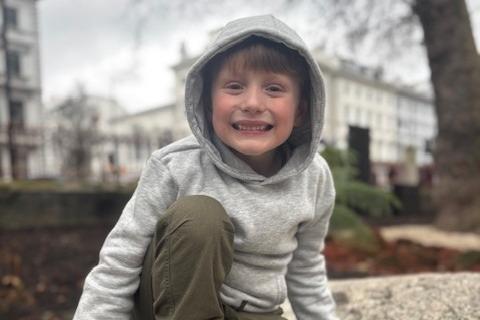
Ramatulaye, a 10-year-old girl undergoing treatment for Hodgkin lymphoma, has already explored the virtual recreation. Known as Rama, she expressed her excitement: “It looks just the same as the hospital, it’s so cool. I got to explore the playroom and the gantry where I have treatment every day.” She added that navigating the Minecraft version of the facility helps alleviate the overwhelming feelings often felt upon arriving at a hospital.
The initiative aims to empower young patients by providing them with a sense of control over their treatment environment. Rama noted, “I think other children would love it just as much as me.” She also mentioned that the treatment itself is manageable, stating, “Whenever I’m in the radiotherapy, I go to sleep so I don’t feel anything.”
The virtual environment is designed to reduce anxiety and encourage curiosity about the treatment process. The Christie treats approximately 120 pediatric patients annually with proton beam therapy, a highly targeted form of radiotherapy that minimizes damage to healthy tissues while effectively targeting tumors.
A Focus on Familiarity and Comfort
The Minecraft world features various key areas of the proton beam center, including reception areas, imaging rooms, and treatment gantries. Senior health play specialist Charlotte Cooper highlighted the importance of familiarizing young patients with their surroundings: “We see children come who can be really, really terrified at the start… To give them some tools and strategies and coping skills, and to send them away feeling really confident about having their scans or having more treatment is crucial.”
The interactive aspects of the Minecraft experience include working MRI machines, taps, and discoverable spaces, allowing children to explore in a playful and calming manner. This design approach aims to help young patients ask questions and engage with their treatment in a less intimidating way.
Joanne Healy, a developer at Microsoft, shared insights about the project: “Our goal was to make a faithful, calm space with playful touches so children can explore at their own pace.” The Minecraft version of the proton beam therapy center has been scaled up to enhance navigation and visibility, ensuring that all patient-facing areas are accurately represented.
Tom Edwards, the proton beam therapy center manager at The Christie, expressed his enthusiasm for the project, stating, “This would be a fantastic way for our young patients to explore the proton beam centre and overcome their fears.” The initiative also aligns with Microsoft’s “Beyond the Badge” campaign, which emphasizes community well-being through volunteering and inclusion initiatives.
With this innovative approach, The Christie NHS Foundation Trust is setting a precedent for how healthcare can leverage technology to support young patients, making their treatment experiences less daunting and more relatable. The virtual environment not only serves as a bridge between clinical settings and the comfort of familiar gaming experiences but also empowers children to face their medical journeys with confidence and curiosity.