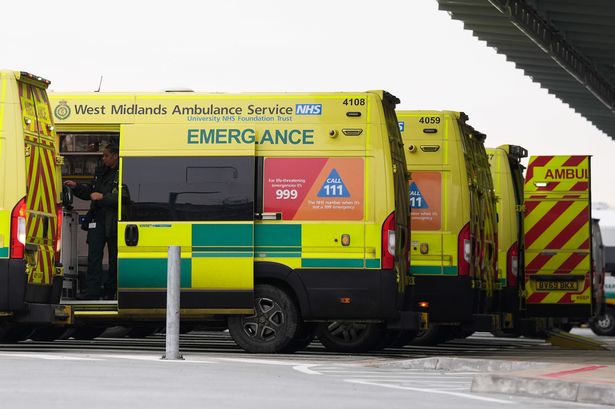
As winter conditions intensify, hospitals in the West Midlands are implementing urgent measures to alleviate pressure on emergency departments. NHS leaders have expressed significant concerns about the long wait times ambulances are experiencing outside Accident & Emergency (A&E) units in Birmingham and the Black Country.
On December 8, 2023, the University Hospitals Birmingham NHS Foundation Trust declared a critical incident following a surge in patient presentations, reporting that 269 inpatients were received, including nine in critical condition. This escalation in demand has led to a crisis situation that requires immediate action.
The situation reached a critical point last week when, on December 1, a substantial one-third of all ambulances in the West Midlands were reported to be stuck outside hospitals, unable to admit patients. For instance, patients requiring ‘category two’ ambulance responses, such as those suffering from chest pains or strokes, faced waits exceeding 30 minutes.
With the onset of winter, the outlook remains grim, as NHS staff brace for increased demand coupled with potential industrial action from resident doctors scheduled to begin on December 17. In response to this growing crisis, members of the NHS Birmingham and Solihull and NHS Black Country Integrated Care Board (ICB) discussed various strategies aimed at easing pressure on the system.
David Melbourne, the chief executive, outlined several potential measures that could be enacted. One key proposal involves commissioning services to activate winter plans ahead of schedule, which may include utilizing additional capacity at the Midland Metropolitan Hospital located in Smethwick. Another suggested strategy is deploying general practitioners at the ‘front doors’ of hospitals to assist with patient intake, thereby reducing the burden on emergency departments.
Moreover, the ICB is considering providing support for patient discharges to free up beds and improve flow within hospitals. Melbourne emphasized the distinct challenges faced by different regions, stating, “If you look at East Midlands Ambulance Service and West Midlands Ambulance Service, they have two different challenges. East Midlands has fewer ambulances, resulting in longer waits for patients. In contrast, the West Midlands has more ambulances, but this leads to a higher number of ambulances waiting outside hospitals.”
The situation is exacerbated as the region anticipates a spike in flu cases during the winter months. Melbourne noted that the average wait for patients experiencing strokes has risen to over 31 minutes, a statistic that, while better than the East Midlands, remains unacceptable.
As winter progresses and healthcare demands increase, the West Midlands NHS leadership is determined to implement effective solutions. The focus remains on improving patient care while ensuring that ambulances can respond promptly to emergency calls.