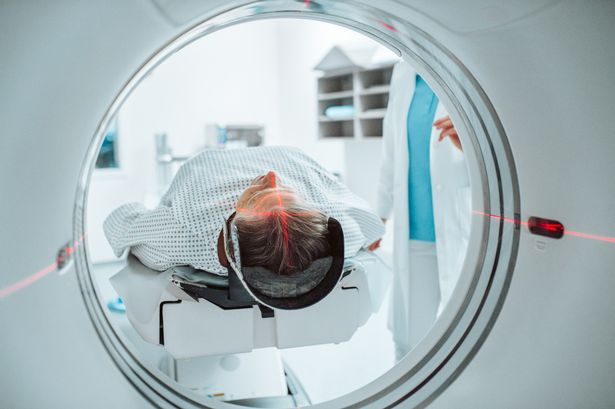
Researchers have identified two novel sub-types of multiple sclerosis (MS), a significant breakthrough that could lead to more effective treatments. The study, which utilized artificial intelligence (AI) to analyze brain scans and serum neurofilament light chain (sNfL) levels, involved a comprehensive examination of 634 MS patients. The findings were published in the journal Brain.
The researchers from Queen Square Analytics and University College London categorized the MS patients into two distinct “biologically informed” sub-types. The first, referred to as ‘early-sNfL’, exhibited high levels of the blood biomarker early in the disease progression and showed damage to the corpus callosum, a critical area of the brain involved in thought, memory, and motor coordination. The second sub-type, ‘late-sNfL’, displayed a delayed increase in sNfL levels, which coincided with early volume loss in both cortical and deep grey matter.
Dr. Arman Eshaghi, the lead author from the UCL Queen Square Institute of Neurology and UCL Hawkes Institute, emphasized the importance of these findings. He stated, “Using routine brain images and a blood marker of nerve-cell injury, we identified two distinct biological trajectories in multiple sclerosis. This helps explain why people living with MS can follow different paths and is a step toward more personalized monitoring and treatment.”
Current classifications of MS, such as relapsing-remitting, secondary progressive, and primary progressive, often fail to provide the nuanced understanding needed for effective treatment. Dr. Eshaghi noted that this research is instrumental in redefining MS types and improving treatment methodologies in the future.
Multiple sclerosis is a condition that affects the brain and spinal cord by damaging the protective membrane covering nerve cells. This damage can lead to a variety of symptoms, including fatigue, pain, muscle spasms, and mobility issues.
Caitlin Astbury, senior research communications manager at the MS Society, commented on the study’s implications. She mentioned that the research utilized machine learning to analyze MRI and biomarker data from patients with relapsing-remitting and secondary progressive forms of MS. “By combining this data, they were able to identify two new biological sub-types of MS,” Astbury explained.
She added that while the understanding of MS biology has improved in recent years, the current definitions are largely based on clinical symptoms. This can often lead to challenges in treatment. Astbury concluded, “The more we learn about the condition, the more likely we will be able to find treatments that can stop disease progression.”
The identification of these sub-types represents a significant advancement in MS research and may lead to tailored therapies that address the unique biological characteristics of each patient. As scientists continue to unravel the complexities of this condition, the hope is that new, effective treatment options will emerge, ultimately improving the quality of life for those affected by MS.