A recent childbirth experience took a harrowing turn for Ellie Marples, a new mother from Sheffield, South Yorkshire. After giving birth to her son, Albie Marples, weighing **9 lbs 4 oz**, via cesarean section, she faced life-threatening complications that nearly claimed her life.
While breastfeeding for the first time in the recovery room, Ellie began to feel unwell, describing sensations of dizziness and nausea. Within moments, her condition deteriorated dramatically. “I started throwing up blood and everything turned black,” the **32-year-old** recalled. Rushed back to the operating theatre, she was placed into an induced coma for **three weeks** as doctors fought to stabilize her.
Ellie’s situation stemmed from an amniotic fluid embolism, a rare condition where amniotic fluid enters the mother’s bloodstream. This complication is recognized as the fifth leading cause of direct maternal death. Scans revealed that Ellie was suffering from multi-organ failure and sepsis, conditions that led to her being placed on life support.
The medical team at The Royal Hallamshire Hospital intervened vigorously. Ellie underwent surgery to remove **80% of her colon** and had a stoma bag fitted due to the severe effects of the sepsis. Just days later, on **October 17, 2024**, she required a life-saving hysterectomy after it was discovered that her womb and cervix were also septic.
Ellie expressed her shock at the rapid decline in her health, stating, “It should have been one of the happiest days of my life but it turned into a nightmare.” Her experience was compounded by the uncertainty that followed her surgeries. “Afterwards, they started reducing sedation and tried to bring me round, but my temperature was still spiking really high. They knew there was something else somewhere—some sort of infection, but they weren’t sure where,” Ellie explained.
Doctors attributed her sepsis to the amniotic fluid embolism, highlighting the seriousness of the condition. Upon waking from her coma, Ellie felt disoriented and confused. A nurse from the intensive care unit took the time to explain her ordeal, helping her process the life-altering events that had transpired.
“I felt really lucky, especially when you see the numbers of the survival rates from amniotic fluid embolism,” she remarked. Ellie’s gratitude extended to the medical staff, who she believes played a crucial role in her survival. “If any one person had been five minutes somewhere else, then it would have been a completely different story for me.”
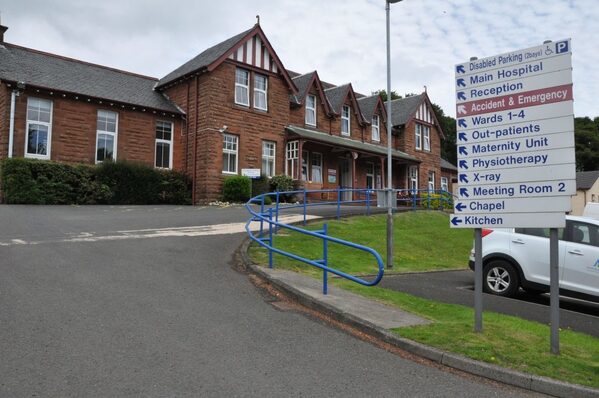
Following her recovery at The Royal Hallamshire Hospital, Ellie was transferred back to Jessop Hospital, where she had initially given birth. She spent an additional two weeks there before finally returning home on **November 12, 2024**.
Despite her physical recovery, Ellie continues to grapple with the psychological impact of her ordeal. “For the first few months, I was in and out of hospital. It’s more the mental side of things now that I’m picking up on rather than the physical side,” she reflected.
The experience also left her apprehensive about bonding with her newborn son, Albie, due to the extended time she spent separated from him. “I was nervous because I didn’t want to not bond with him, but fortunately I was lucky and I picked up as if I’d been there from day one,” she said, expressing relief that she was able to connect with her child despite the challenges.
Ellie Marples’ story serves as a poignant reminder of the potential complications surrounding childbirth and the critical importance of timely medical intervention. Her journey from a joyful moment to a life-threatening crisis underscores the resilience of the human spirit and the vital role healthcare professionals play in saving lives.