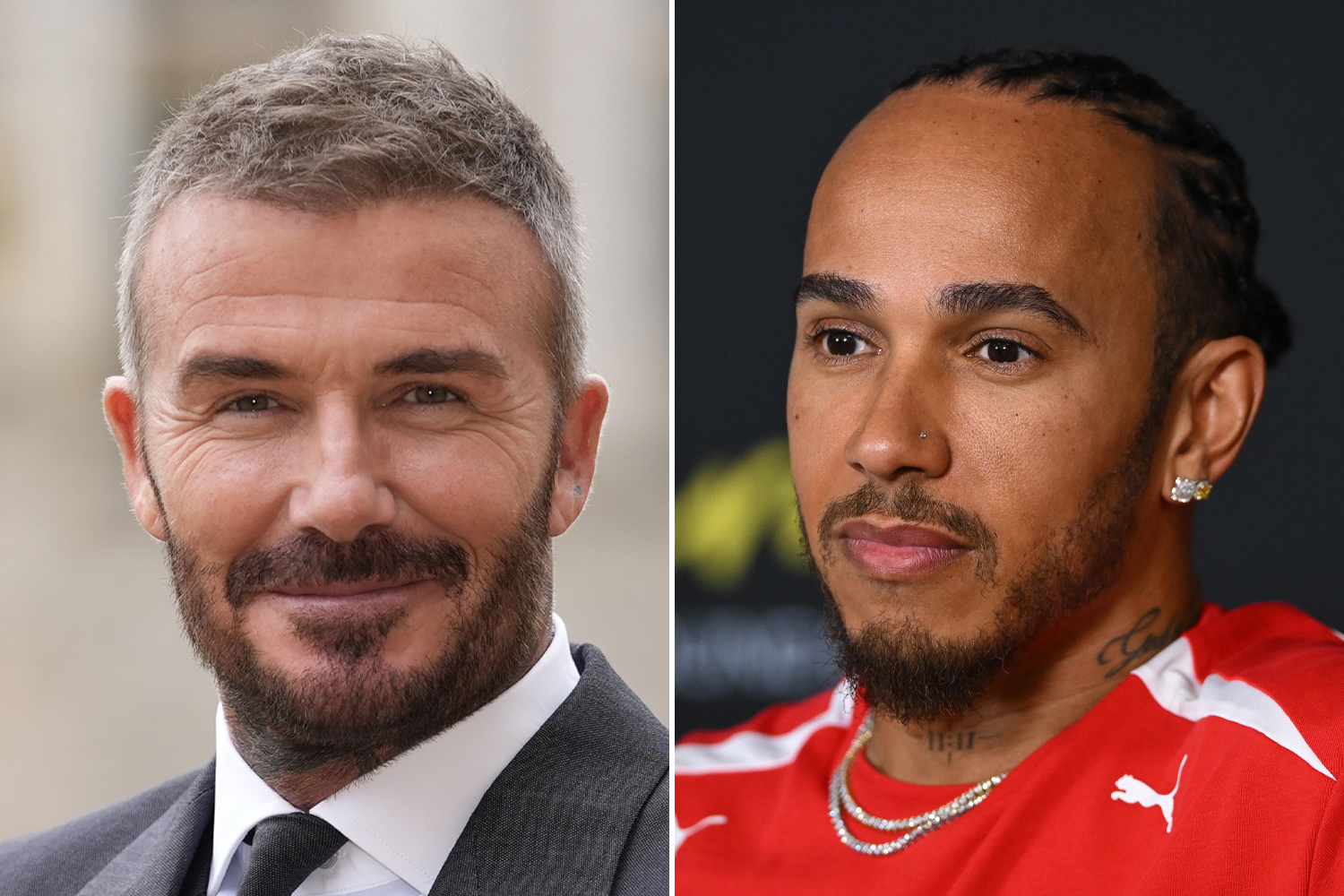
Lewis Hamilton, the seven-time world champion, has publicly shared his experience with Attention Deficit Hyperactivity Disorder (ADHD), revealing a personal aspect of his life ahead of the Formula 1 season opener in Melbourne this weekend. In a recent video released on March 1, 2024, Hamilton discussed his condition and a unique habit that he likened to that of football legend David Beckham.
During the video, which featured all 22 drivers competing in the upcoming season, Hamilton explained how ADHD impacts his daily life and professional career. He described the condition as “frustrating,” but emphasized that it also contributes to his unique approach to racing and problem-solving. The candid disclosure aims to raise awareness about mental health issues and encourage others facing similar challenges to seek support.
Hamilton expressed that living with ADHD has shaped his perspective, allowing him to approach racing with creativity and resilience. He drew parallels between himself and Beckham, noting their shared experiences of managing high-pressure situations while navigating their respective sports. This connection highlights a growing trend among athletes to openly discuss mental health, breaking down long-standing stigmas.
In his statements, Hamilton not only focused on his personal struggles but also reiterated the importance of mental well-being for athletes. “It’s crucial for us to talk about these things,” he said, emphasizing the need for open conversations within the sporting community. His openness is expected to resonate with fans and fellow athletes alike, potentially inspiring others to share their experiences.
As the Formula 1 season begins, Hamilton’s revelation adds another layer of depth to his already storied career. Fans and viewers will undoubtedly be watching closely, eager to see how he channels his experiences into his performance on the track. The new season presents fresh opportunities for Hamilton to showcase his skills while advocating for mental health awareness.
The Formula 1 community has been increasingly supportive of mental health initiatives, with various platforms encouraging discussions around the subject. Hamilton’s boldness in sharing his story is expected to contribute positively to this ongoing dialogue, fostering a culture of understanding and support within the sport.
As the excitement builds for the season opener in Melbourne, Hamilton’s message serves as a reminder that even the most successful athletes face challenges off the track. His journey with ADHD may well influence how discussions around mental health evolve in sports, encouraging a more compassionate and supportive environment for all athletes.