Kirin Holdings Company is shifting its research and development focus towards combating cellular senescence and chronic inflammation. This announcement was made during the company’s annual R&D Day last month. Traditionally recognized for its beer brewing operations, Kirin is expanding its pharmaceutical and health science divisions, particularly highlighting its postbiotic product, Lactococcus lactis strain Plasma, known as LC-plasma.
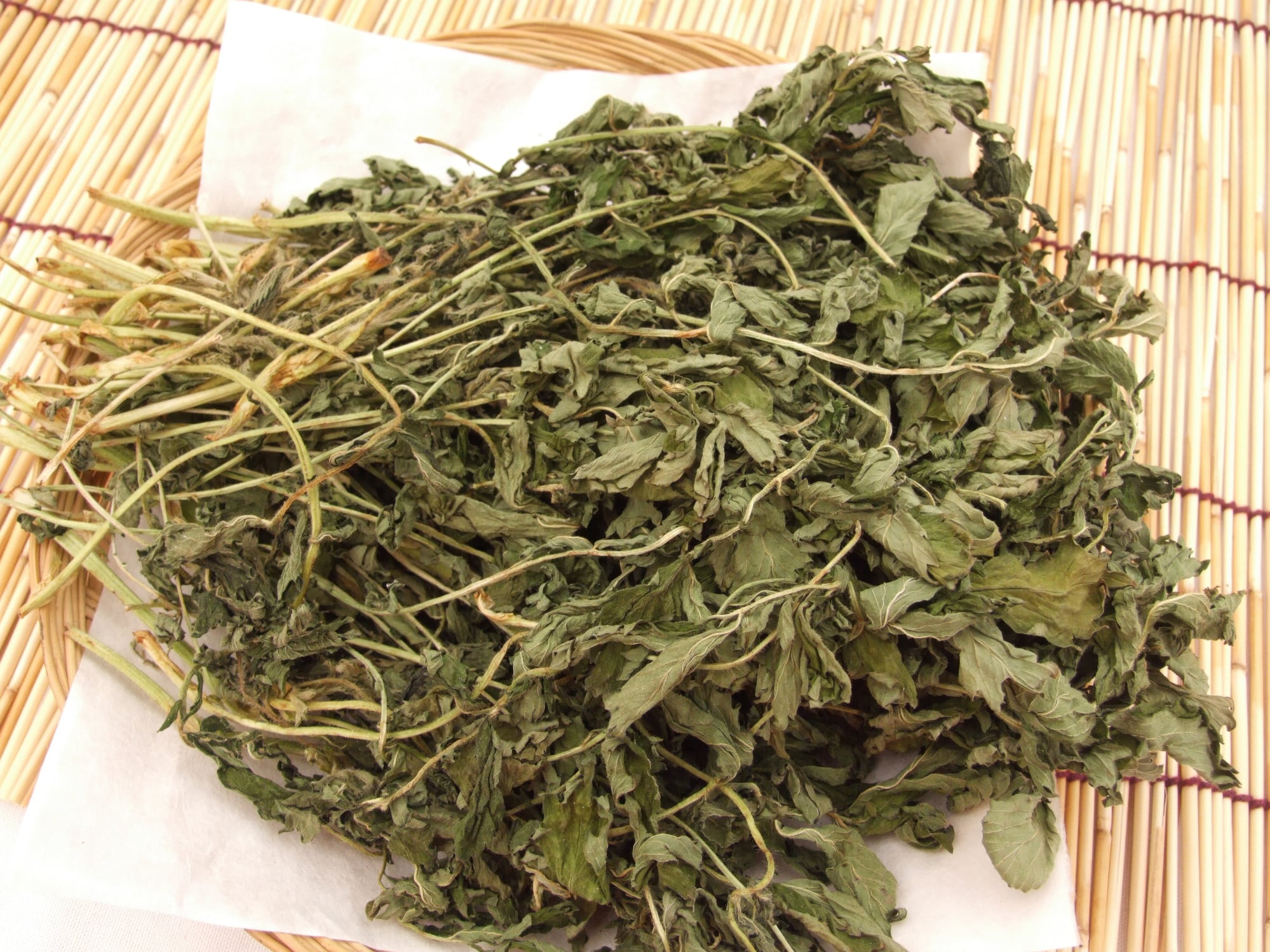
As part of its R&D initiatives, Kirin hosted a roundtable discussion titled “Aging Care Research and Its Implementation in Society.” During this session, the company discussed significant topics related to aging, including the 14 Hallmarks of Aging and the XPRIZE competition. Kirin has particularly identified Agrimonia pilosa, a perennial plant native to mountainous and wooded regions, as a promising candidate for addressing cellular senescence. Commonly known in Japan as “Kinmizuhiki,” this plant was chosen from a pool of approximately 4,000 materials for its potential benefits in supporting brain function.
Kirin first discovered the senolytic properties of Agrimonia pilosa in 2020. Its subsidiary, FANCL Corporation, has since developed a product called Wellage Premium, which contains the extract and claims to help maintain a positive mood and alleviate temporary fatigue. The product was launched in April 2023. Kirin is now exploring the potential to add “anti-aging” claims to its marketing, although the company recognizes that successful commercialization will depend on developing reliable methods to quantify senescent cell levels in the body.
Research and Clinical Trials
Kirin’s commitment to advancing its understanding of cellular senescence includes ongoing research efforts. A clinical trial involving 110 middle-aged participants in Japan assessed the impact of Agrimonia pilosa extract on immune cells. The study, funded by FANCL, was published in the journal Nutrients in February 2023.
Participants, aged between 40 and 59, were selected based on their immunosenescence profiles, specifically targeting those with a high percentage of high-SA-βGal CD8+ T cells, a marker of senescent immune cells. Over eight weeks, participants received either 50 mg of the extract or a placebo. While the overall results showed a decrease in high-SA-βGal CD8+ T cells in both groups, subgroup analysis revealed that men receiving the extract experienced a significant reduction compared to the placebo group.
Interestingly, the study found no significant differences among female participants, leading researchers to speculate that hormonal factors, such as estrogen, might influence the expression of senescence-related proteins and T cell behavior. The findings suggest that the extract may aid in eliminating senescent effector memory CD8+ T cells, thereby potentially rejuvenating the immune response.
Exploring Other Ingredients
In addition to Agrimonia pilosa, Kirin is investigating other natural ingredients to combat the hallmarks of aging, particularly chronic inflammation. One such ingredient is an extract derived from Aspergillus, which contains 14-dehydroergosterol (14-DHE). Kirin asserts that this compound can mitigate chronic inflammation by promoting the development of tolerogenic dendritic cells and regulatory T cells.
A study published in Clinical, Cosmetic and Investigational Dermatology in March 2018 highlighted the benefits of Koji extract, which contains 14-DHE, for improving skin moisture. The 12-week trial involved 70 women and demonstrated that supplementation could enhance hydration in the skin’s outer layer.
Kirin’s exploration into these natural ingredients not only demonstrates its commitment to health innovation but also signifies a broader trend in the pharmaceutical and wellness industries towards harnessing the therapeutic potential of traditional remedies. As the company continues to develop its methodologies for measuring senescent cells, it aims to solidify its position in the growing market focused on aging care and health maintenance.
In summary, Kirin’s strategic focus on cellular senescence and chronic inflammation represents a significant shift in its research agenda and underscores the potential for innovative health solutions stemming from nature. As the company advances its R&D efforts, the future may hold promising developments for aging-related health interventions.