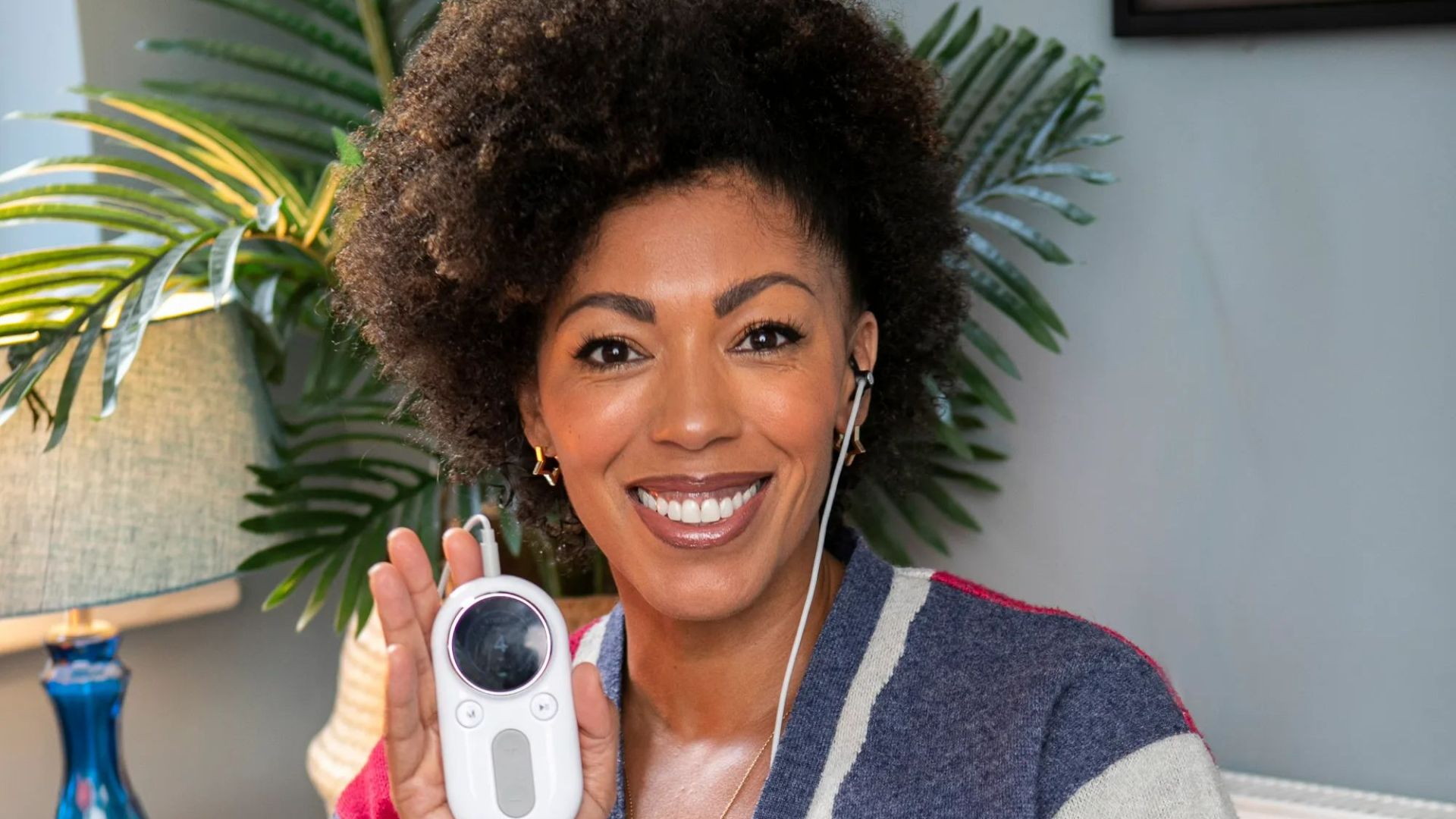
Dr. Zoe Williams, a health expert, recently shared her experience with a vagus nerve stimulation device called the yōjō, which she claims has significantly improved her sleep and reduced her stress levels. The device, costing £1.09 per day, has reportedly allowed her to fall asleep quickly and manage daily stressors more effectively.
The vagus nerve, a key component of the body’s nervous system, plays an essential role in regulating stress responses. According to Dr. Williams, its potential in mitigating stress is gaining attention, with a strong emphasis expected in 2026. She highlights the current state of stress as a “chronic epidemic,” pointing out that many people are suffering from high levels of stress daily.
A recent survey by Sun Health revealed that approximately 25% of respondents reported feeling highly stressed, while 32% indicated moderate stress levels. Dr. Williams explains that the modern lifestyle, filled with deadlines, financial pressures, and sleep challenges, contributes to this chronic stress state. “Instead of responding to a predator, we’re responding to deadlines and emails,” she notes.
The implications of chronic stress can be severe. Research suggests it is linked to various health conditions, including heart disease, type 2 diabetes, and autoimmune disorders. This is where the vagus nerve comes in, as it helps transition the body from a stressed state to a more relaxed one.
The Vagus Nerve: A Pathway to Calmness
Dr. Williams elaborates that the vagus nerve is the longest cranial nerve, extending from the brain to the abdomen. It modulates the parasympathetic nervous system, which is responsible for rest and digestion. The opposite system, the sympathetic nervous system, kicks in during stressful situations. By stimulating the vagus nerve, individuals can potentially alleviate some of the body’s stress responses.
Dr. Williams herself has been using the yōjō device, which is designed to stimulate the vagus nerve through an earbud connected to a mobile app. The device is not classified as a medical device but is marketed as a wellness tool. “It feels like a tapping/zapping feeling,” she describes. “I try to use it once during the day and then sometimes at night.”
The yōjō device also features a face scan that estimates heart rate and breathing patterns, providing users with a personalized stress index. This data can offer tailored advice, such as reducing caffeine intake for better sleep quality. Dr. Williams expresses satisfaction with her experience, stating, “I feel like the yōjō is helping,” especially in her interactions with her young son, Lisbon.
Addressing Stress and Sleep Challenges
With approximately 30% of people reporting difficulty falling asleep and nearly 60% waking during the night, Dr. Williams’ experience resonates with many. She has struggled with stress management and sleep issues, often finding it challenging to maintain mindfulness practices.
The yōjō has reportedly made a significant impact on her sleep quality, allowing her to fall asleep faster than before. “If I’m struggling, I just pop my device in and seem to get to sleep pretty quickly,” she shares.
As she continues to use the device, Dr. Williams hopes to see further improvements. Long-term feedback from users indicates potential benefits extending beyond stress and sleep, including enhanced mental clarity and pain management. “I’m really hoping to see even more new improvements as I continue to use it,” she adds.
In a world increasingly burdened by stress, the potential of the vagus nerve and devices like the yōjō may offer new avenues for wellness. Dr. Williams’ journey underscores the importance of exploring innovative solutions to improve mental health and overall well-being.