Long-haul flights can leave passengers feeling bloated and fatigued, with many travelers reporting feelings of lethargy during and after their journeys. Medical experts have identified several factors contributing to this discomfort and provided practical tips to help mitigate its effects.
Understanding the Causes of Air Travel Fatigue
The disruption of regular routines during flights plays a significant role in how passengers feel. According to Dr. Asimah Hanif, a general practitioner with the NHS and medical expert associated with travel insurance provider Staysure, irregular meal times and unfamiliar food can upset digestion. “When we are out of our usual routines on a flight, it disrupts what our bodies are used to,” she explains. For instance, passengers may find themselves eating breakfast at odd hours or consuming foods they typically wouldn’t, such as omelettes. This can lead to feelings of sluggishness.
Another factor is the timing of flights. Dr. Mark Austin, a gastroenterology specialist at Nuffield Health, notes that flying at unconventional hours can trigger the release of stress hormones, which may leave travelers feeling uneasy and bloated.
In-flight sleep is often subpar, adding to the problem. “Many of us struggle to get good quality sleep on a plane, and sleep deprivation has a huge impact on your digestion and how you feel,” states Dr. Austin.
Environmental Factors and Their Impact
The environment within an airplane also contributes to discomfort. Changes in cabin pressure and reduced oxygen levels can negatively affect digestion and energy. Dr. Hanif points out that the dry cabin air can lead to dehydration, further exacerbating fatigue.
Alcohol consumption during flights warrants caution. Dr. Austin warns that alcohol’s effects can be intensified at altitude, leading to dehydration and sleep disturbances. “We often see people on the news who suddenly become uncontrollable when they have been drinking on a plane,” he notes. Additionally, the high calorie and sugar content in alcoholic beverages can disrupt blood sugar levels, creating further discomfort.
Caffeine can complicate matters as well. “When you’re travelling over time zones, your body can become incredibly confused about what time of day or night it is,” Dr. Austin explains. Caffeine acts as a stimulant, which may prolong the impact of jet lag.
Airline meals often contain high levels of salt to enhance flavor at altitude, as taste perception changes. Dr. Hanif highlights that this can lead to water retention and digestive issues. Furthermore, in-flight meals are typically rich in carbohydrates and low in fiber, which can cause sleepiness and bloating.
A lack of movement during flights can slow circulation and metabolism, leading to decreased nutrient absorption, according to Dr. Hanif. Prolonged sitting can increase the risk of bloating and gas production. Dr. Austin emphasizes that those prone to slow gut transit and constipation should make an effort to move around during the flight.
Finally, dehydration remains a major concern due to the low humidity levels in airplanes. Dr. Austin states, “Dehydration can trigger a stress response, diverting blood away from less critical organs, including the gut, leading to bloating and constipation.”
Practical Tips for Travelers
To minimize feelings of fatigue and discomfort during flights, experts recommend several strategies.
Firstly, it is advisable to avoid stimulants such as alcohol and caffeine before and during the flight. Dr. Austin suggests opting for lighter, balanced meals, focusing on protein and vegetables instead of heavy, starchy options. He also recommends snacking rather than consuming large meals if appetite is low.
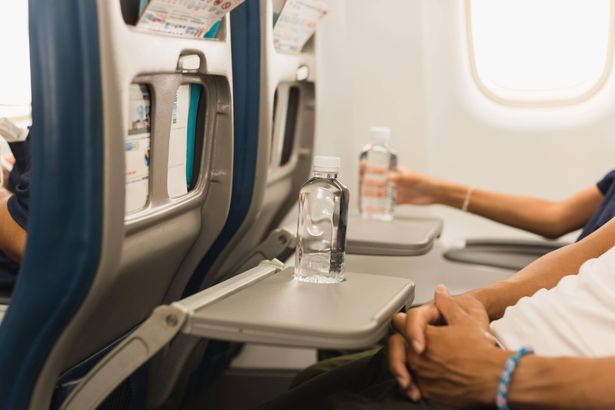
Staying hydrated is crucial. Passengers should aim to drink approximately half a bottle of water every hour. Additionally, making a point to get up and walk around the cabin every two to three hours can help alleviate bloating and promote better digestion.
By understanding the factors that contribute to air travel fatigue and implementing these practical tips, travelers can improve their flying experience and arrive at their destinations feeling more refreshed and comfortable.