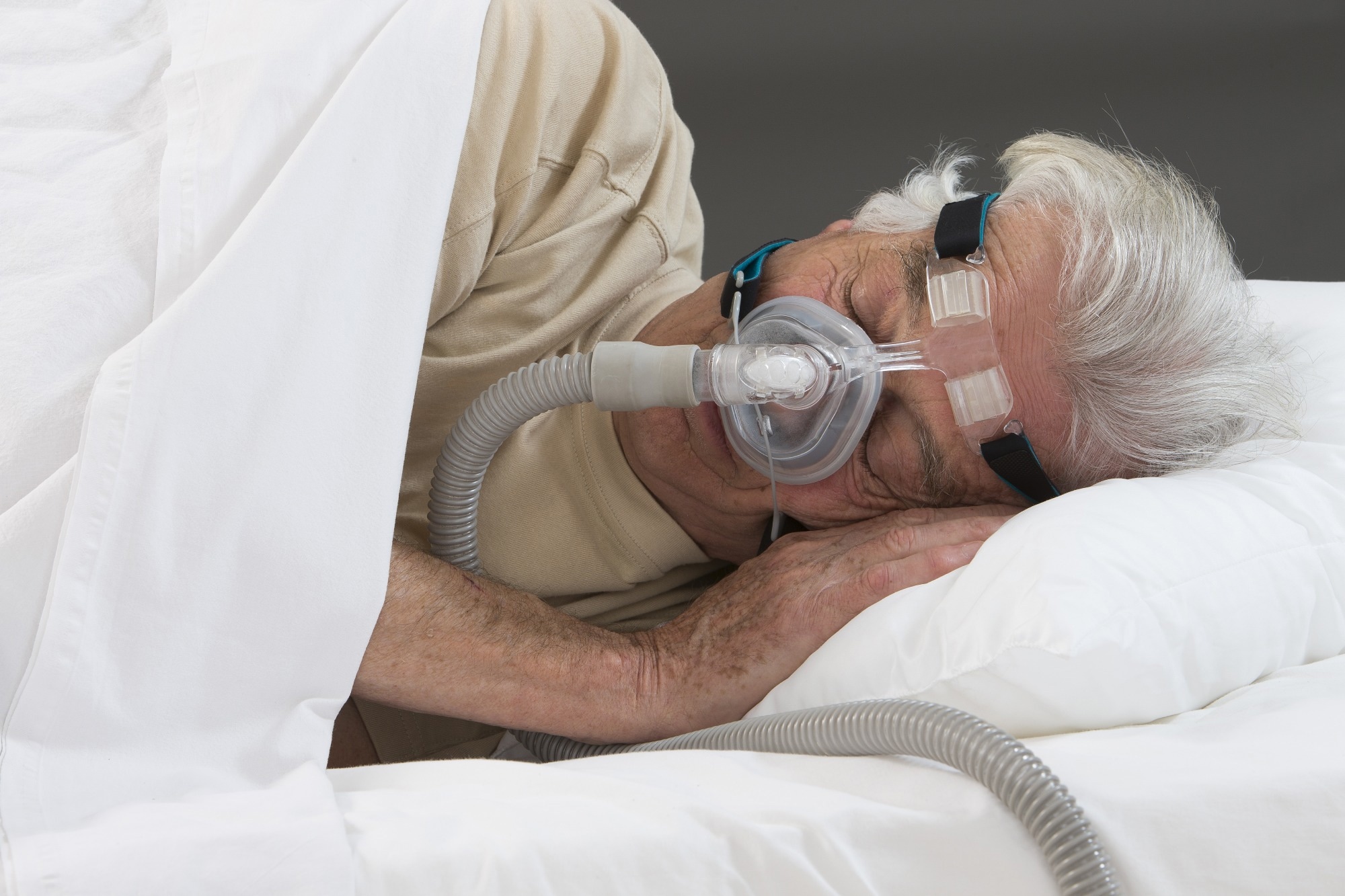
A recent study involving over 11 million U.S. veterans indicates that early treatment of obstructive sleep apnea (OSA) with continuous positive airway pressure (CPAP) may significantly lower the risk of developing Parkinson’s disease. The findings, published in March 2025 in the journal JAMA Neurology, present a compelling case for addressing OSA as part of a preventative strategy against this neurodegenerative disorder.
The study highlights the connection between OSA and an increased incidence of Parkinson’s disease, emphasizing that timely intervention may have powerful neuroprotective effects. Researchers found that among veterans diagnosed with OSA, approximately 9% utilized CPAP therapy, which is the standard treatment for symptomatic OSA. The analysis revealed that those with OSA had an additional 1.6 cases of Parkinson’s disease for every 1,000 veterans over a six-year follow-up period compared to those without the condition.
Understanding the Risks of OSA
OSA is characterized by interruptions in breathing during sleep due to an obstructed airway. This disruption can lead to chronic brain hypoxia, which is associated with mitochondrial dysfunction, a known factor in the development of Parkinson’s disease. The prevalence of Parkinson’s disease is rising globally, driven by an aging population and evolving lifestyle habits, making the need for effective intervention increasingly urgent.
While previous epidemiological studies on the link between OSA and Parkinson’s disease have yielded mixed results, clinical evidence consistently shows elevated levels of Parkinson’s disease biomarkers in individuals suffering from OSA. The current study adds significant weight to the argument that treating OSA may mitigate Parkinson’s disease risk.
The research specifically analyzed electronic health records of veterans, revealing that 14% of participants were diagnosed with OSA. Notably, the increased risk of Parkinson’s disease was particularly pronounced in female veterans compared to their male counterparts. Importantly, those who received CPAP therapy within two years of their OSA diagnosis exhibited a markedly lower risk of developing Parkinson’s disease.
Implications of the Findings
The implications of these findings are significant. For every 439 patients treated with CPAP shortly after their OSA diagnosis, one individual could potentially be spared from developing Parkinson’s disease within five years. This underscores the potential impact of a relatively simple intervention in altering the trajectory of a debilitating condition.
Both mild and severe forms of OSA were linked to an increased risk of developing Parkinson’s disease within this cohort. The study confirms the importance of early intervention and continuous positive airway pressure therapy in reducing the risk of not only Parkinson’s disease but also other cognitive declines associated with sleep disorders.
Researchers also noted that surgical options for correcting OSA could further reduce the risk for patients who do not respond well to CPAP therapy. This comprehensive approach highlights the necessity for healthcare providers to consider OSA treatment as a critical component of Parkinson’s disease prevention strategies.
Despite the study’s robust findings, the exclusive focus on U.S. veterans may limit the generalizability of the results to broader populations. However, the higher prevalence of OSA among veterans compared to the general population may have enhanced the study’s sensitivity in detecting associations.
Further research is required to explore the influence of various factors—such as adherence to CPAP therapy and the physical, cognitive, and social determinants of health—that could affect outcomes. Understanding these dynamics will be crucial in clarifying the causality and mechanistic pathways behind the observed associations.
As the global incidence of Parkinson’s disease continues to rise, interventions like CPAP therapy could play a vital role in reducing the burden of this condition, affirming the need for increased awareness and treatment of obstructive sleep apnea.