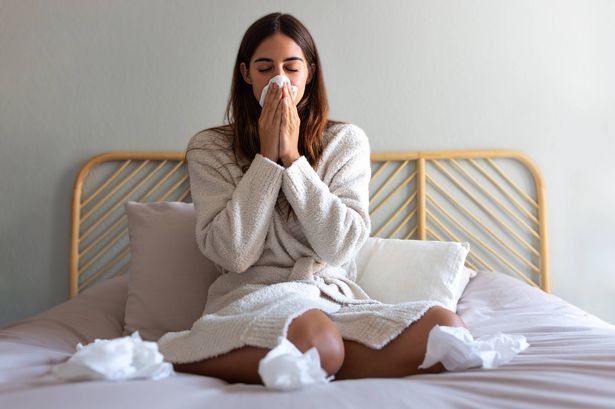
As the festive season concludes, many individuals are grappling with the aftereffects of holiday celebrations, leading to confusion between a common hangover and more serious health issues such as flu, Covid-19, or meningitis. Symptoms like headaches, nausea, and body aches can complicate self-diagnosis, prompting health experts to provide clarity on how to identify the differences.
Understanding Flu and Covid-19 Symptoms
The current flu season has seen a rise in cases attributed to a variant known as H3N2. Data from the UK Health Security Agency (UKHSA) released on December 24, 2023, indicates a slight decrease in flu cases, with positive test rates dropping from 21% to 17%. Despite this, experts caution that the flu virus could resurge as people return to work and school after the holidays.
Pharmacist Sultan Dajani emphasizes that distinguishing between a hangover and an illness can be crucial. “With a hangover, you are unlikely to develop a temperature, which is a significant difference between a viral infection and overindulgence,” she explains. Symptoms of flu and Covid-19 can overlap significantly, with both conditions often causing fatigue, muscle aches, and fever-like symptoms. However, flu typically lasts longer, lingering for up to two weeks, while a hangover usually resolves within a day or two.
When considering Covid-19, which is currently circulating at baseline levels, symptoms may include a runny nose, persistent cough, and fever. The evolution of the virus has altered its symptom profile over time.
Meningitis: A Serious Concern
In rare instances, symptoms attributed to a hangover could indicate meningitis, a serious infection affecting the brain’s protective lining. Dajani notes that meningitis can develop rapidly, sometimes within hours, and should not be taken lightly. Symptoms such as high fever, rash, and delirium—which are not associated with a hangover—serve as critical indicators of this dangerous condition. Immediate medical attention is necessary if meningitis is suspected.
Dr. Zoe Williams, a general practitioner and health columnist, highlights that the current flu strain, known as subclade K, could present more severe symptoms than typical flu. The onset is usually sudden and can include fever, body aches, exhaustion, and respiratory symptoms like coughing and sneezing. In children, additional symptoms may include earaches and low energy levels.
For those unsure about their symptoms, testing for Covid-19 is recommended, as many pharmacies continue to supply tests. The UKHSA states that most individuals with Covid-19 now experience cold-like symptoms, which can also encompass fever, headaches, and changes in taste or smell.
Dajani stresses the importance of not dismissing hangovers entirely. “We refer to hangovers as ‘wine-flu’ in my pharmacy because they can have serious implications,” she states. Symptoms may mask other health issues, such as concussions from falls or back strains from physical activity while intoxicated. Therefore, it is essential for individuals experiencing a hangover to be vigilant about their symptoms and seek medical advice if they do not improve or worsen.
In summary, as individuals navigate the aftermath of holiday festivities, understanding the distinctions between a hangover and potential illnesses like flu, Covid-19, and meningitis is vital for health and safety. Recognizing the symptoms and responding appropriately can prevent complications and ensure timely medical intervention when necessary.