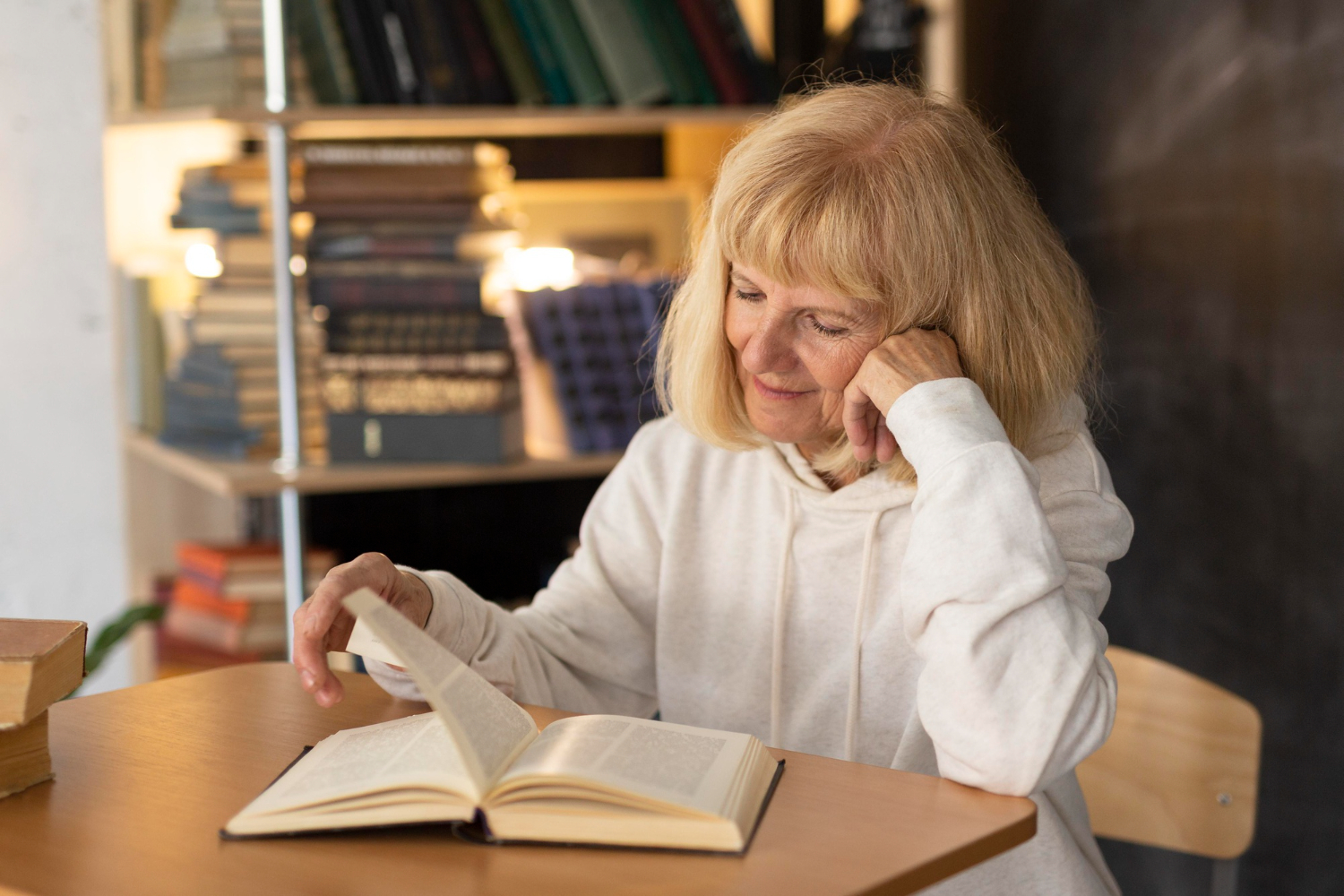
Individuals over the age of 100 often possess remarkable qualities that contribute to their longevity. Insights gathered from these centenarians reveal that aging gracefully is less about specific diets or exercise regimens and more about adopting a gentle, purpose-driven lifestyle. Observations from various regions, including rural Japan and Costa Rica, highlight the simple yet effective routines that promote a fulfilling life well into old age.
Everyday Practices for Longevity
Those who thrive in old age often engage in what can be termed as constant natural movement. Rather than adhering to structured workout routines, many centenarians incorporate physical activity into their daily lives through simple tasks. Walking to visit friends, tending to gardens, and sweeping porches are just a few examples of how they stay active without the pressure of formal exercise.
Eating habits also play a significant role in their longevity. Centenarians typically consume small, balanced meals made from whole, unprocessed ingredients. Foods are often sourced locally, with an emphasis on vegetables and minimal meat. In Greece, for instance, a wise woman noted, “We don’t eat for six-pack stomachs. We have six more springs to eat.” This approach fosters a healthy relationship with food, focusing on sustenance rather than performance.
Equally important is the sense of purpose that guides their daily lives. Many older adults wake up with meaningful tasks, whether it is caring for a garden, a pet, or simply connecting with neighbors. This sense of responsibility, however modest, instills a rhythm to their days.
Emotional Resilience and Social Connections
The emotional well-being of those over 100 often reveals a profound resilience. They typically embrace their experiences, acknowledging both joy and grief without clinging to negativity. One centenarian shared her approach to handling grief by saying, “I hum it out of my chest,” illustrating the power of self-expression in navigating life’s challenges.
Social connections also play a crucial role in their happiness. Meals are communal affairs, often filled with laughter and intergenerational bonding. Elders are not isolated but rather sit at the center of these gatherings, fostering an environment of support and connection.
Rest is revered among these individuals, viewed as a necessity rather than a luxury. They tend to go to bed early and wake up naturally with the sun, avoiding overstimulation from modern devices. This natural rhythm contributes to deeper and more rejuvenating sleep, further enhancing their overall health.
While many centenarians may seem unaware of contemporary concepts like “anti-aging,” their lived experiences reflect a profound understanding of aging as a natural process. They approach each day with dignity and a sense of gratitude for the present moment.
In Costa Rica, Joaquín, a 70-year-old egg deliverer, exemplifies this perspective. He continues his work not out of financial necessity but from a commitment to his community, stating, “The chickens still lay, and people still eat.” Such dedication highlights how purpose and connection can drive fulfillment in later years.
The overarching lesson drawn from these centenarians is that the path to graceful aging does not require costly interventions or complex biohacks. Instead, it invites individuals of all ages to adopt simple, mindful practices that enhance quality of life. Embracing a slower pace, fostering deep connections, and cultivating emotional resilience are foundational elements to living well.
Ultimately, the journey to aging gracefully is accessible to anyone willing to embrace these values. It is about creating a framework for a lighter, longer life—one that prioritizes laughter, kindness, and a gentle approach to living. This philosophy not only enriches the lives of centenarians but offers valuable insights for all generations.