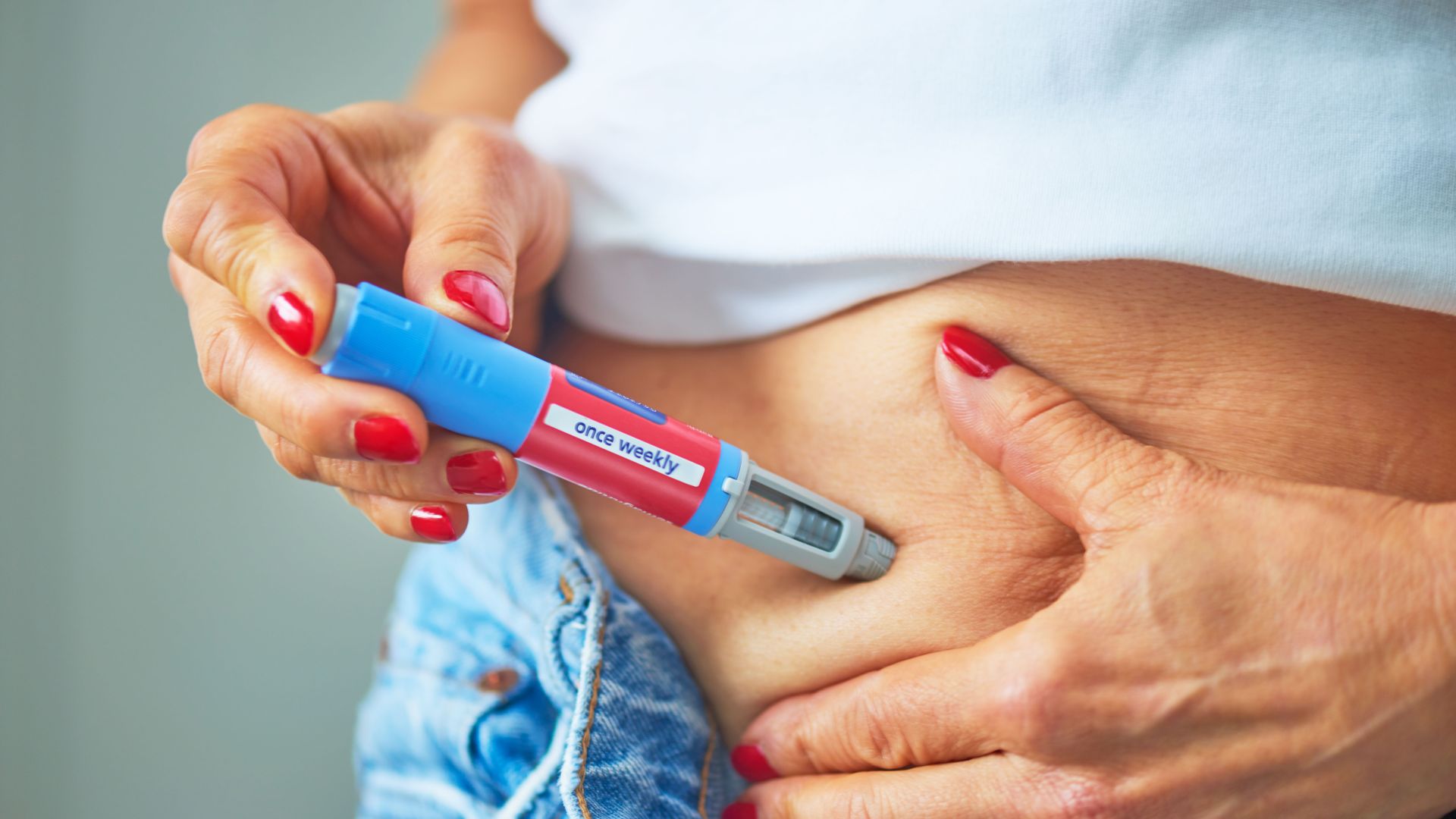
In a recent disclosure, dietitian Ashley Koff has identified several supplements that may enhance the effectiveness of popular weight loss medications, such as Ozempic and Wegovy. These medications, which are taken by approximately one in eight American adults, have transformed approaches to weight management and diabetes care.
The drugs function by mimicking a hormone called glucagon-like peptide-1 (GLP-1), which plays a vital role in slowing digestion, regulating blood sugar, and signaling fullness. Despite their benefits, users often experience side effects like nausea, constipation, and bloating, necessitating dietary adjustments and the potential use of supplements to manage these issues.
Understanding the Role of Supplements
In her latest book, Your Best Shot: The Personalized System for Optimal Weight Health – GLP-1 Shot or Not, released on January 6, 2026, Koff highlights key supplements that research suggests could amplify the impact of GLP-1 medications. While traditional supplements such as omega-3 fatty acids and dietary fiber assist with digestion and satiety, Koff emphasizes the potential of lesser-known options like berberine and Amarasate to further stimulate GLP-1 production.
Koff underscores the importance of medical guidance, stating, “No supplement can replace a medication for those whose doctors have deemed it necessary for health control.” She cautions against misinformation regarding supplements, clarifying that while some may support GLP-1 levels, they do not provide the same sustained effects as prescribed medications.
Key Supplements to Consider
Berberine is a plant-derived compound found in herbs such as barberry and Oregon grape. Traditionally used in herbal medicine, it is now marketed in supplement form for its potential benefits in managing blood sugar and cholesterol levels, as well as aiding weight control. Priced between $10 and $50 per bottle, berberine stimulates the body’s bitter taste receptors, which in turn may enhance GLP-1 secretion.
Koff notes that while berberine can be beneficial, it may interact with medications for blood pressure and cholesterol, necessitating caution for individuals on those treatments.
Another notable supplement is Akkermansia muciniphila, a type of probiotic that supports gut health by promoting digestion and nutrient absorption. Koff highlights that this specific strain can enhance GLP-1 production by strengthening the intestinal barrier and reducing inflammation. While Akkermansia does not come directly from food sources, its growth can be encouraged through polyphenol-rich foods like berries, green tea, and dark chocolate. It is also available in supplement form, typically costing between $20 and $80.
Koff also recommends glutamine, an amino acid prevalent in both animal and plant-based foods. Glutamine is known to stimulate the secretion of GLP-1 and strengthen the intestinal lining. It is available in capsule and powder forms, with prices varying from $10 to $40 depending on the brand and quantity.
Lastly, Amarasate, derived from New Zealand hops, acts similarly to berberine by stimulating the release of GLP-1. Marketed as an appetite control supplement, a bottle containing 90 capsules ranges from $70 to $90. Koff notes that this supplement may particularly benefit those transitioning off GLP-1 agonists by naturally enhancing hormone production with minimal side effects.
As the landscape of weight loss and diabetes management continues to evolve, Koff’s insights offer valuable perspectives for individuals seeking to optimize their health strategies. While supplements can play a supportive role, consulting healthcare professionals remains crucial for safe and effective weight management.