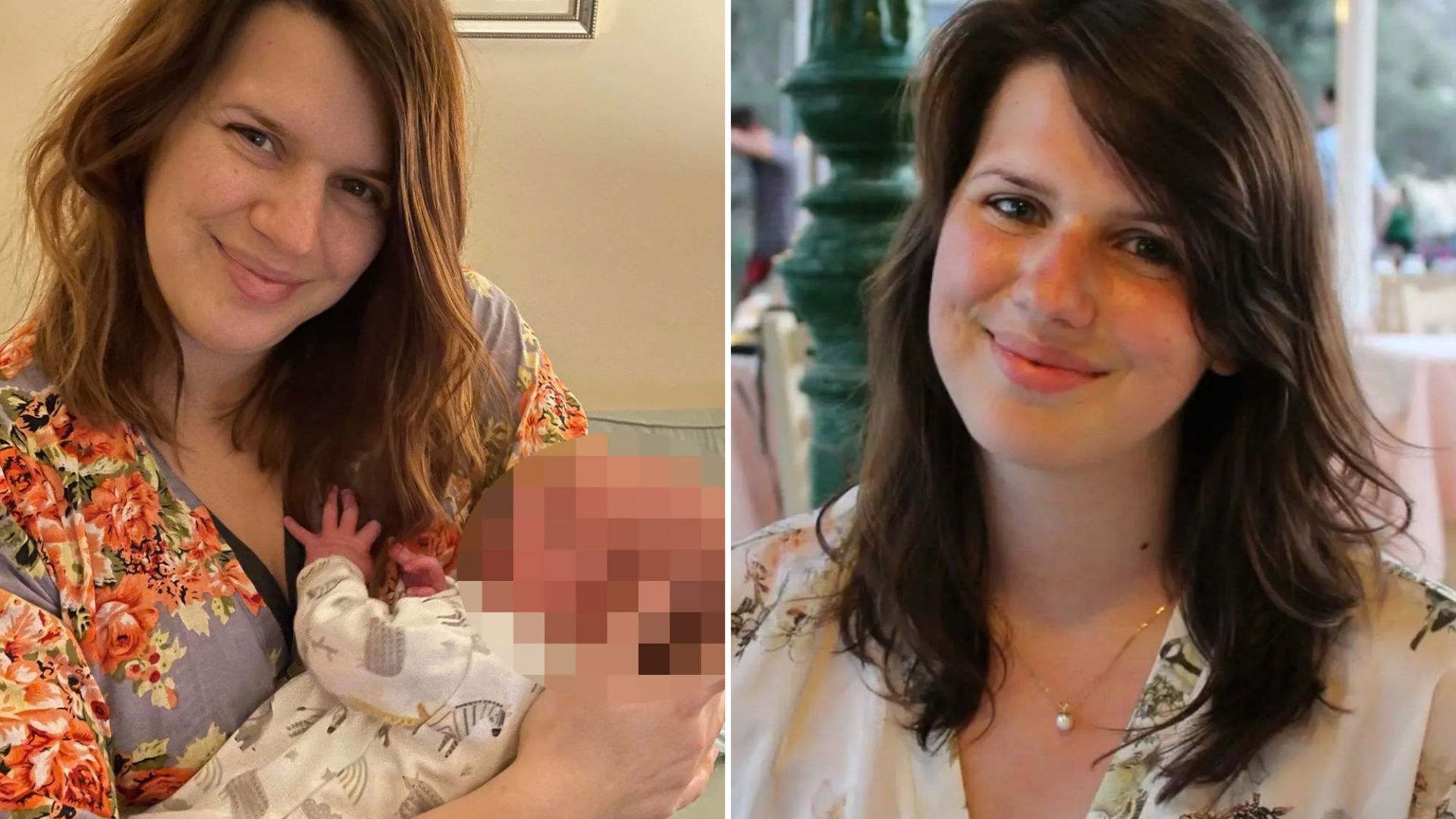
The tragic deaths of 34-year-old Jennifer Cahill and her newborn daughter, Agnes Lily, have highlighted critical systemic failures in the care of mothers opting for home births. This comes as a coroner warns that without urgent reforms, more mothers and babies may face similar fates. The inquest, held in Manchester, concluded on October 26, 2025, after a two-week investigation into the events surrounding the home delivery on June 3, 2024.
Jennifer chose to deliver Agnes at home, feeling unsupported during her previous hospital experience. Unfortunately, the delivery turned chaotic when Agnes was born not breathing, with the umbilical cord wrapped around her neck. Jennifer, who sustained significant injuries, died the following day due to complications including a perineal tear and postpartum haemorrhage. Agnes succumbed to multi-organ failure in hospital four days later.
The senior coroner, Joanne Kearsley, described the incident as a “Victorian-aged tragedy” occurring in a modern context. She identified both deaths as resulting from “neglect,” “catastrophic error,” and “gross failures to provide basic care.” Following the inquest, Kearsley issued a report titled Prevention of Future Deaths, emphasizing that immediate action is necessary to prevent future tragedies.
Central to the coroner’s findings was the absence of national, evidence-based guidance governing home births in England. Kearsley pointed out that there is no consistent practice or protocol to evaluate the risks involved in home deliveries adequately. “There is no national guidance to support consistent practice across the country,” Kearsley stated in her report.
The coroner also highlighted the lack of discussions surrounding the risks of death associated with home births. While the National Institute of Health and Care Excellence (NICE) guidelines mention potential risks to infants, they fail to address the dangers mothers may face. This gap in communication can lead to confusion, as was the case with Jennifer, who believed she was at low risk despite a history of complications during her first pregnancy.
The inquest revealed that Jennifer had researched home births extensively, mistakenly believing that the risk of bleeding was minimal. This misconception, paired with inadequate guidance from healthcare professionals, resulted in her inability to make an informed decision regarding her delivery method. The coroner noted that home deliveries can pose increased risks for women with prior complications, a critical distinction that was not communicated to Jennifer.
Kearsley also pointed to deficiencies in midwife training, a lack of national data on emergency hospital transfers, and failures in monitoring during Jennifer’s labour. She concluded that both deaths might have been avoided had proper care been administered.
In response to the findings, Manchester University NHS Foundation Trust acknowledged the failures in care provided to both Jennifer and Agnes. Kimberley Salmon-Jamieson, Deputy Chief Executive & Chief Nursing Officer, expressed condolences and reiterated the Trust’s commitment to enhancing safety measures. “We have been in regular contact with Mr. Cahill following this tragic incident,” Salmon-Jamieson stated. “The Trust accepted at an early stage that there were serious failures in the care provided.”
The Trust has since remodelled its home birth service, integrating insights from both internal and external safety investigations. Salmon-Jamieson emphasized that the Trust will carefully consider the coroner’s conclusions to identify further necessary actions.
As conversations about home births continue, the need for comprehensive guidelines and improved training for healthcare providers remains paramount. The disturbing circumstances surrounding Jennifer and Agnes’s deaths underscore a pressing need for reform in maternity care to ensure the safety and well-being of mothers and their children.