Health experts in the United Kingdom are raising concerns about a growing trend where individuals consider using weight-loss injections as a preventative measure against festive overeating. As the holiday season approaches, the demand for these drugs, particularly among those looking to avoid weight gain during Christmas celebrations, is increasing.
Dr. Leyla Hannbeck, the chief executive of the Independent Pharmacies Association, reported a noticeable rise in requests for weight-loss injections across pharmacies nationwide. She emphasized that these medications are not intended for precautionary use and highlighted the potential dangers of using them without medical supervision. “Weight-loss management needs to include a healthy lifestyle, balanced diet, and exercise,” Dr. Hannbeck stated. “We are deeply concerned that some see these injections as a quick or easy fix.”
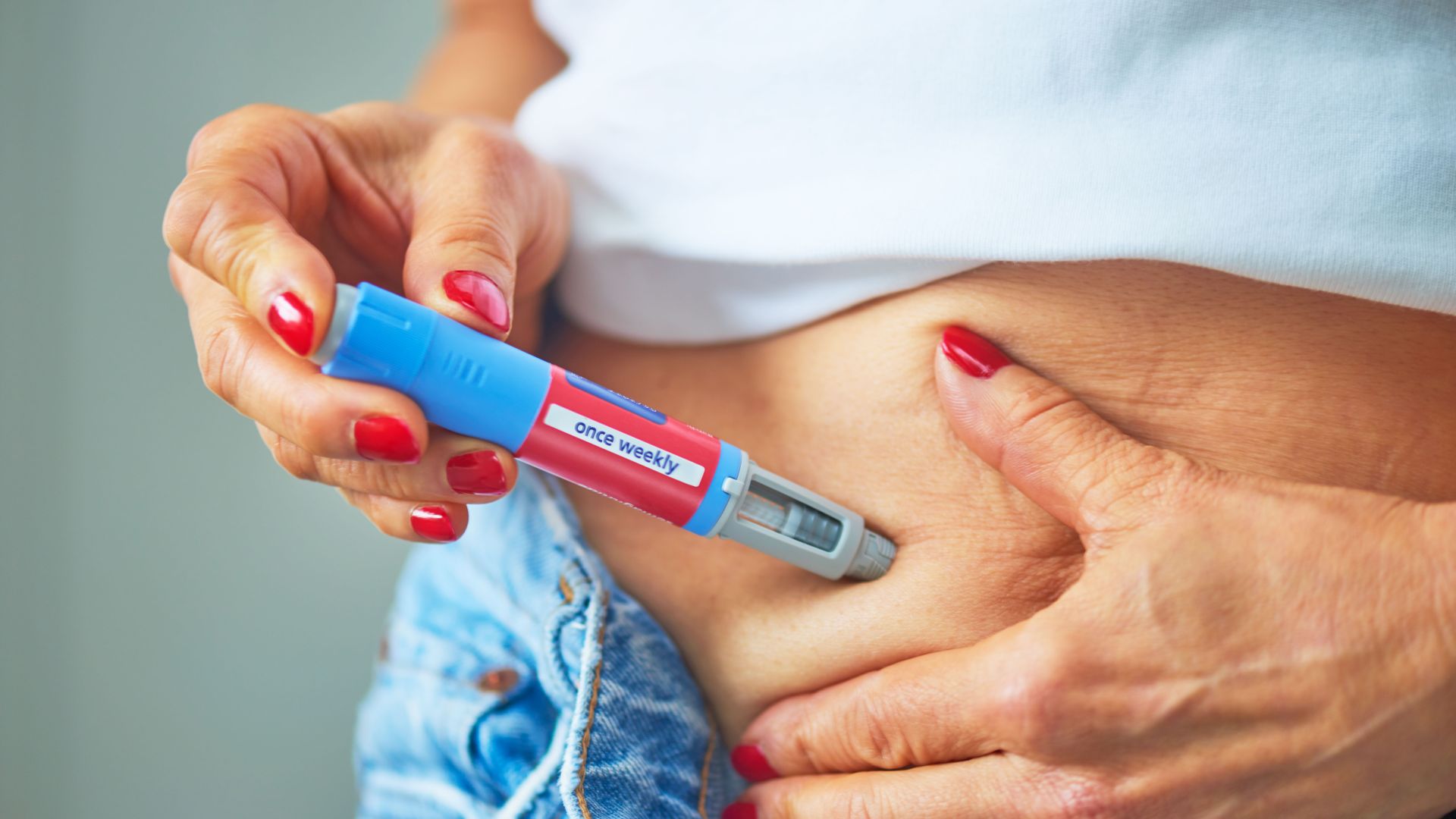
Research indicates that many individuals in the UK consume nearly double the normal caloric intake during the Christmas period. This surge in consumption typically leads to an increase in gym memberships and weight-loss resolutions in the New Year. The weight-loss drug Ozempic, which blocks hunger signals from the brain, has gained popularity for its effectiveness, allowing users to feel full after consuming small portions of food. It is estimated that around 2.5 million people in the UK are obtaining these injections privately.
While these drugs can be effective for certain individuals, their use by those who are already at a healthy weight poses significant risks. Taking such medications without appropriate medical guidance can lead to harmful side effects. Experts are particularly concerned about the possibility of individuals resorting to the black market to obtain these injections, which could further endanger their health.
Dr. Hannbeck strongly advised individuals to seek a “proper clinical assessment” before considering weight-loss injections. She reiterated the importance of approaching weight management with a comprehensive strategy that includes healthy eating habits and regular physical activity.
As the festive season approaches, the emphasis on health and personal well-being becomes increasingly pertinent. With the rising popularity of quick-fix solutions, the call for responsible medical practices and informed decision-making is more critical than ever.