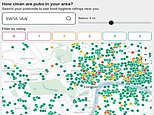
Recent findings reveal a troubling trend in Britain’s hospitality sector, with 1,224 pubs, bars, and nightclubs failing hygiene inspections, according to the Food Standards Agency (FSA). The annual report, published on December 25, 2025, indicates that approximately 2.4% of the 51,000 venues inspected across the UK fall below acceptable hygiene standards, a significant concern for public health.
A comprehensive audit of FSA food hygiene ratings has uncovered that one in 42 establishments fails to meet the minimum requirements. Notable chains such as Toby Carvery, Harvester, and BrewDog are among those listed, with 45 venues receiving a zero rating, indicating urgent improvements are necessary.
Major Hygiene Failures Identified
Inspections revealed alarming conditions in some of the worst offenders. Issues ranged from rotting food and rodent droppings to insect infestations. Particularly concerning was the Top Secret Comedy Club in Covent Garden, which received a zero rating after inspectors discovered mice droppings and mould in its ice machine. Such inspection failures can severely damage a business’s reputation.
In England, Wales, and Northern Ireland, food-serving venues are rated on a scale from zero to five. Ratings of two or below are classified as failures. The FSA reported that 583 establishments received a rating of two or less, while 376 scored a one, which indicates that major improvements are needed.
The FSA’s research highlights that foodborne illness outbreaks are twice as likely to occur in venues rated zero, one, or two compared to those rated three or above. The report emphasizes the importance of maintaining rigorous hygiene standards, particularly in high-traffic areas where food is prepared and served.
Regional Disparities in Hygiene Ratings
The report also sheds light on regional disparities in hygiene failures. Aberdeen recorded the highest failure rate at 13.5%, followed by Highland at 12.5% and Ealing at 10.5%. Conversely, 79 councils in the UK reported no failures, demonstrating a stark contrast in compliance across different areas.
In response to its poor rating, BrewDog has requested a follow-up inspection to improve its hygiene score. Meanwhile, the White Swan in Nottinghamshire was found misleading customers by promoting a five-star rating on its website, despite receiving a zero during its latest inspection. The establishment’s director acknowledged this discrepancy and has been working to update the website.
Food safety experts stress the importance of these hygiene ratings, particularly for customers with allergies. They warn that neglecting food safety can lead to serious health risks, including foodborne illnesses that burden healthcare resources.
Despite the critical nature of hygiene ratings, compliance remains inconsistent. While 76.6% of food businesses in England, Wales, and Northern Ireland achieved a top rating of five, a significant portion still falls short. The Local Government Association has pointed out that it is ultimately the responsibility of food businesses to ensure compliance with safety regulations, even as councils strive to maintain checks under tight budgetary constraints.
The FSA has acknowledged that inspections represent a “snapshot” of hygiene standards, focusing on food storage and preparation rather than overall service quality. They recommend that businesses rectifying issues can arrange for a retest following an initial failure.
As the public becomes increasingly aware of hygiene standards, regular checks and transparent reporting are vital. The FSA’s data, updated frequently, indicates a trend towards greater accountability in the food service industry. Nevertheless, ongoing challenges, including staff shortages and inadequate training, pose significant barriers to maintaining high hygiene standards across the board.
In conclusion, while the majority of UK food establishments adhere to hygiene standards, the findings expose a concerning reality for a minority of venues. The call for mandatory display of hygiene ratings, similar to regulations in Wales and Northern Ireland, is gaining momentum as stakeholders advocate for improved transparency and public safety.