The Netflix drama Adolescence has sparked a national conversation in the UK about the challenges boys face in today’s society. The series, which depicts a 13-year-old boy arrested for the murder of a female classmate, has been described by Prime Minister Rishi Sunak as a “really hard watch.” British police have called it a “wake-up call for parents,” highlighting the influence of the manosphere on young males. This dialogue about masculinity and the well-being of boys has intensified throughout 2025, leading many to label the year as a turning point for discussions surrounding boys.
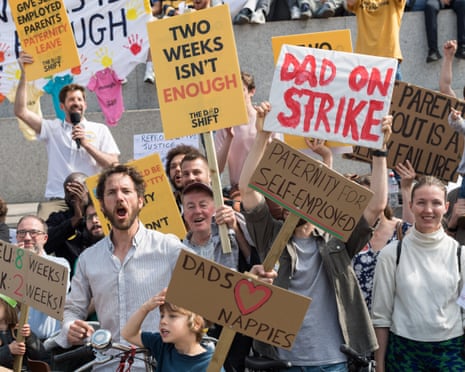
At the start of the year, former England football manager Gareth Southgate raised alarms about “callous, manipulative and toxic influencers” impacting youth. In March, the Centre for Social Justice released the Lost Boys report, indicating that boys are “being left behind” in areas such as education and mental health. The urgency of these concerns was further emphasized by the first-ever “Dad strike” in June, when fathers gathered in London and Edinburgh to protest inadequate paternity leave provisions in the UK.
By November, the government had introduced its inaugural Men’s Health Strategy for England. This was followed closely by the release of a Violence Against Women and Girls strategy focused on addressing misogynistic behavior among boys. These initiatives reflect a growing recognition of the need to address the complexities of masculinity in modern society.
While discussions around toxic masculinity have been stark, experts advocate for a shift towards highlighting positive male role models. A group of Labour MPs, including Natalie Fleet, the MP for Bolsover, has formed the Labour group for men and boys. Fleet utilized her platform during an International Men’s Day debate to celebrate the commendable men in her community, including her husband, whom she described as an “actual hero” for his dedication to family.
Despite these efforts, the influence of controversial figures like Andrew Tate continues to loom large. Tate, who faces multiple charges that he denies, remains a prominent voice in certain circles, particularly among young males. A poll conducted earlier this year revealed that one in five UK males aged 16 to 29 with knowledge of Tate viewed him positively.
In response to the challenges posed by such figures, organizations like Movember and Equimundo have initiated the Young Men and Media Collective. This program aims to fund influencers who promote healthier, more constructive messages about masculinity. Amy O’Connor, policy lead at Movember, stated, “Policymakers have woken up to the fact that, particularly online, young men are being harmed and their health is suffering by the content they’re seeing.”
The discourse around “men’s rights” carries mixed connotations, as noted by Adam Thompson, MP for Erewash. He acknowledged the necessity for targeted policies addressing the needs of boys and men, emphasizing, “I’m a strong believer that the patriarchy is harmful to both men and women. It’s not a zero-sum game.”
Joeli Brearley, founder of the campaign group Pregnant Then Screwed, similarly recognizes the importance of discussing the unique challenges boys face. This year, she launched a podcast titled To Be a Boy, co-hosted with fatherhood advocate Elliott Rae. Brearley cautions against the potential backlash against discussions of women’s experiences, stating, “It’s as if you can’t have both – we’re not allowed now to talk about the fact that women are still experiencing specific challenges because we’re now saying that men have it hard.”
The rise of traditional and regressive masculine ideals has prompted calls for reform. George Gabriel, co-founder of The Dad Shift, expressed hope in the midst of these discussions. He remarked, “The challenge is real. But I think we can acknowledge that while the situation is dire, we can also have some optimism that we are starting to find a path forward.”
As 2025 draws to a close, the ongoing conversations about boys and masculinity appear poised to continue. With a growing emphasis on both the challenges and positive contributions of men in society, the year has undeniably marked a significant shift in how these issues are addressed in public discourse.