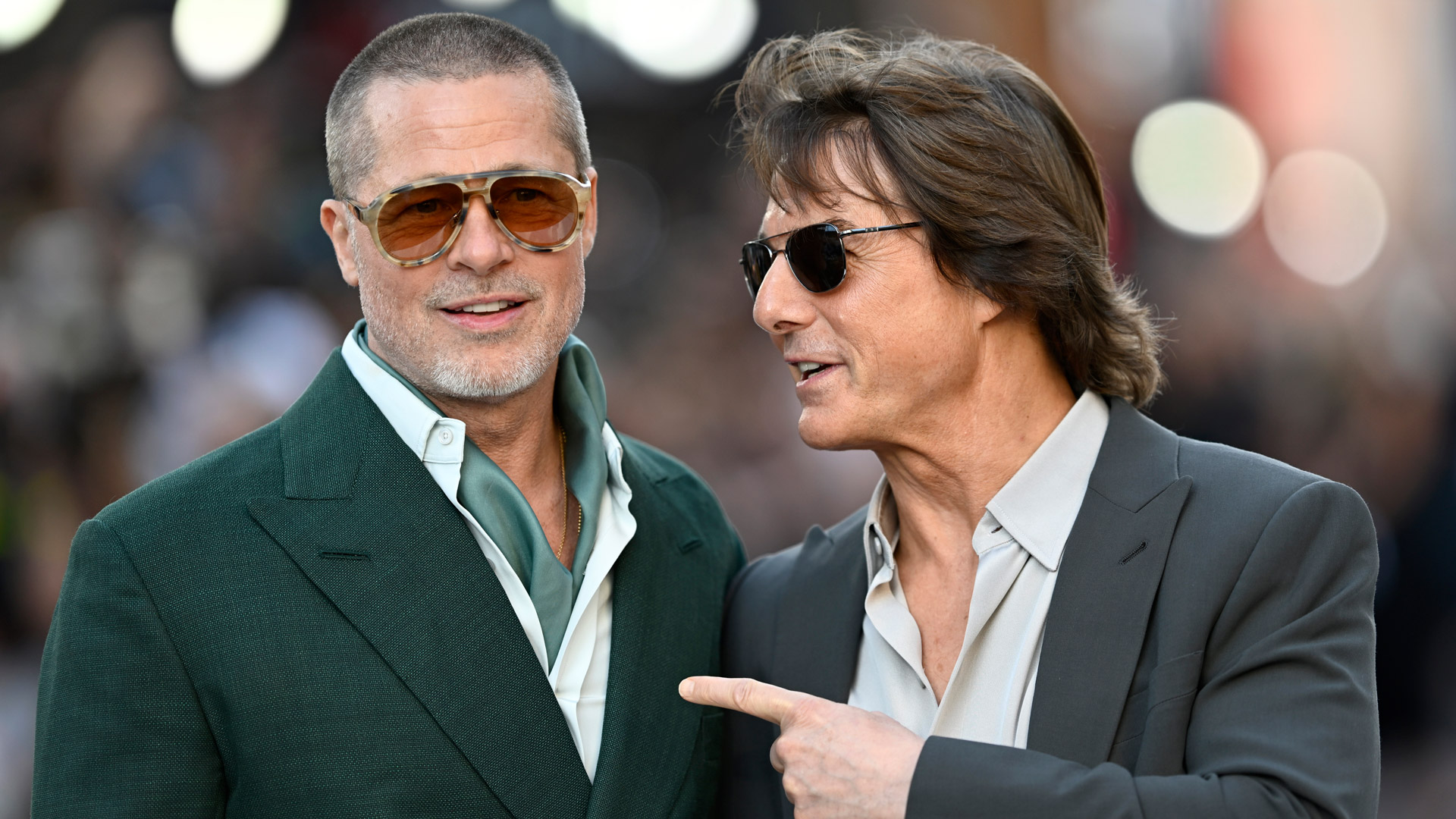
A new AI-generated video featuring a fictional fight between actors Tom Cruise and Brad Pitt has sparked outrage among industry professionals. The clip, created using the Seedance 2.0 platform, depicts the two A-list stars battling atop a city bridge. Although the video is clearly artificial, its realism has raised alarm about the potential implications for actors and the film industry.
Seedance 2.0, developed by ByteDance, the company behind TikTok, uses advanced generative AI technology to produce highly realistic audio and video content. The brief clip quickly went viral after being shared on social media, drawing attention to the broader risks posed by such technologies to the entertainment sector. The video gained further traction when Rhett Reese, a writer and producer known for his work on the “Deadpool” franchise, commented, “I hate to say it. It’s likely over for us.”
The reaction from industry representatives has been swift. The Motion Picture Association (MPA) condemned the platform, stating that Seedance 2.0 has engaged in “unauthorized use of U.S. copyrighted works on a massive scale.” In a separate statement, SAG-AFTRA, which represents approximately 160,000 actors and other creative professionals, expressed its outrage, declaring, “This is unacceptable and undercuts the ability of human talent to earn a livelihood.” The organization emphasized that the use of its members’ voices and likenesses without consent is a blatant infringement of rights.
The implications of such technology extend beyond just the unauthorized use of likenesses. The quality of video, including aspects such as audio, set design, and choreography, is typically managed by human professionals. AI technology like Seedance 2.0 can create compelling content without engaging these skilled individuals, raising concerns about job security in the industry.
While the platform’s origins in China may limit the influence of U.S.-based organizations such as the MPA and SAG-AFTRA, those who utilize Seedance 2.0 within the United States could still face scrutiny. The challenge lies in holding accountable those who share infringing content on accessible platforms.
In a conversation last month at the Consumer Electronics Show, Sean Astin, the president of SAG-AFTRA, voiced concerns about the future of the industry. He noted that new technologies pose an “existential threat” to the organization, highlighting the need for proactive measures to safeguard the interests of human talent.
While tools like Seedance 2.0 may democratize content creation by allowing individuals to produce cinematic ideas without significant financial resources, the current trend of infringing on intellectual property rights raises serious ethical questions. The film industry faces a critical juncture; as it grapples with these challenges, there may be a growing necessity to develop more rigorous licensing agreements and protections for creative professionals.
As the conversation surrounding AI in entertainment evolves, industry stakeholders are now tasked with finding a balance between innovation and the protection of human artistry. The emergence of Seedance 2.0 serves as a stark reminder of the need for responsible development and the importance of maintaining ethical standards in the rapidly changing landscape of digital media.