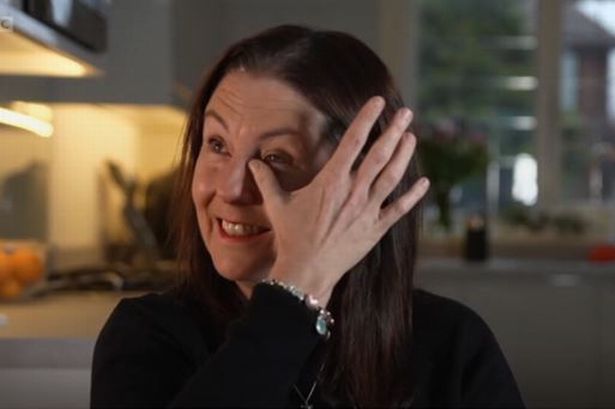
A mother opened up about her heartbreaking experience on BBC Breakfast, revealing how she transformed personal tragedy into a mission to promote organ donation. Anna-Louise Bates lost her seven-year-old son, Fraser, and her husband, Stuart, in a fatal accident while they were returning from a Christmas celebration nearly a decade ago. In a poignant moment, Bates shared that Fraser’s heart was donated to save another child’s life.
During her appearance on the December 7, 2023, edition of the programme, hosted by Emma Vardy and Ben Thompson, Bates described the night of the accident as one she would “never forget.” Both Fraser and Stuart were able to donate their organs, ultimately saving at least four lives.
Promoting Organ Donation Awareness
Reflecting on her experience, Bates expressed how surreal it felt to be approached about organ donation following the deaths of her loved ones. “Surreal isn’t even, like, the proper word for it,” she remarked, adding, “But it’s, yeah, it is everyone’s worst nightmare.” Since then, Bates has dedicated her life to raising awareness about organ donation and encouraging open discussions on the subject.
In an effort to break down barriers and misconceptions surrounding organ donation, she founded the charity Believe. Earlier this week, she unveiled a memorial garden in Cardiff to honor organ donors. This event was particularly meaningful as it included ten-year-old Roman, who received Fraser’s heart after his death.
As she spoke about the significance of the memorial, Bates struggled to hold back tears. “To know that Fraser has made such a huge difference, even symbolically in Roman, but to the wider community, is just phenomenal,” she said. Bates also noted the overwhelming support she received, stating, “People even venturing out in this horrendous weather just shows how much people have believed in it.”
Addressing Misconceptions About Organ Donation
Bates emphasized the importance of understanding the consent process related to organ donation. She pointed out that while Wales implemented a soft opt-out law that assumes consent unless individuals or their families object, many people still do not comprehend that family consent is necessary. “What we really need to be saying to people is just because the law has changed, it doesn’t mean that this is as easy as you might think or appear,” she cautioned. “These conversations desperately need to be had.”
According to a report from BBC Breakfast, consent rates for organ donation increased by 15% after the law was enacted. However, these rates fell to their lowest levels in a decade last year, attributed to factors such as the COVID-19 pandemic, fewer media campaigns, and limited resources.
The emotional discussion on BBC Breakfast highlighted the urgent need for awareness and understanding surrounding organ donation, a vital topic that continues to affect families across the UK and beyond.