As the festive season approaches, households around the world are embracing beloved Christmas traditions, from decorating trees to baking mince pies. To shed light on the origins and meanings behind these customs, renowned folklorist Liza Frank shared her insights, drawing from her extensive research for her book, The Everyday Lore Project.
Folklore is fluid, according to Frank, who notes that traditions can evolve over time as families add their own unique touches. “There’s no right or wrong way to celebrate,” she emphasizes, highlighting how personal customs are just as significant as long-standing practices.
Christmas Trees and Their Timeless Appeal
The tradition of bringing a Christmas tree into the home has roots in German customs, popularized in the United Kingdom by King George III’s German wife, Queen Charlotte. Frank explains that this practice dates back to the Middle Ages, with connections to the Garden of Eden. The tree was often displayed on Christmas Eve, coinciding with the feast day of Adam and Eve.
The timing for setting up the tree varies widely. Some families begin as soon as Halloween or Thanksgiving is over, while others wait until the start of Advent or Saint Nicholas’s Day on December 5. The question of when to take the tree down is equally complex, with traditions suggesting it should be removed by the 12th Night or by Candlemas on February 2. Frank explains that a calendar change in the 1700s further complicates these customs, resulting in a range of interpretations.
For those who choose to forgo a tree, Frank suggests alternatives such as decorating ladders or placing evergreen boughs above doorways, practices that date back to ancient Rome.
Mistletoe and Other Festive Customs
The custom of kissing under the mistletoe originates from ancient Druid beliefs, which attributed potent sexual energy to the plant. Frank notes that in Saxon tradition, men could demand kisses from women beneath the mistletoe, removing a berry with each kiss until none remained. Refusing a kiss was considered bad luck, linking romantic prospects to this festive plant.
Other traditions include the Twelve Days of Christmas, where each day corresponds to a month of the year, allowing for divination practices. Frank encourages using bibliomancy or tarot cards during this period to predict the months ahead.
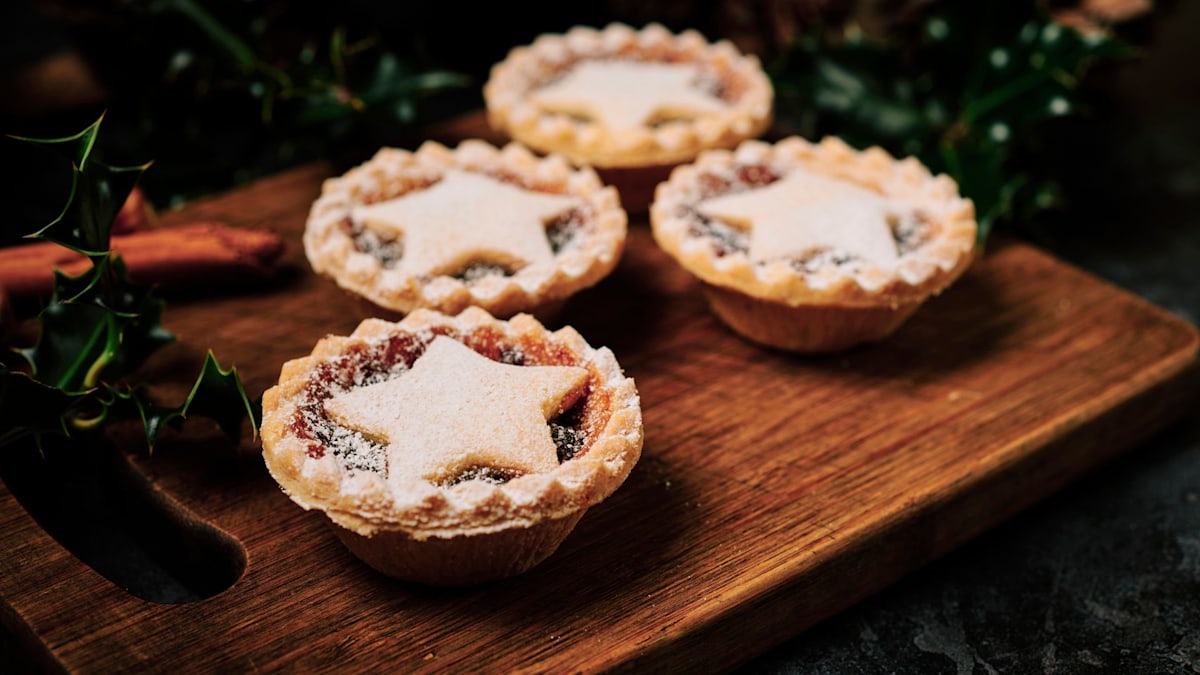
Mince pies hold their own significance during the festive season. Frank suggests that eating a mince pie each day of Twelfthtide can bring good fortune, with the phrase “happy month” said before each pie.
Stir-up Sunday, typically falling on the last weekend of November, marks the day families prepare Christmas pudding or cake. Frank humorously notes that while tradition dictates using thirteen ingredients, she often opts for more, particularly when dark chocolate is involved.
With the increasing popularity of Advent calendars in the 20th century, Frank explains that the practice initially involved marking the days until Christmas on doorposts.
Traditionally, Yule logs were not the chocolate desserts often seen today. Instead, they represented the burning of a log from the winter solstice through to the 12th Night, symbolizing warmth and hope for the year ahead.
As families prepare to celebrate, Frank’s insights remind us that Christmas traditions are not merely relics of the past, but dynamic practices that can reflect personal values and family histories. Her new book, Household Lore, is now available, offering further exploration into the significance of everyday traditions.