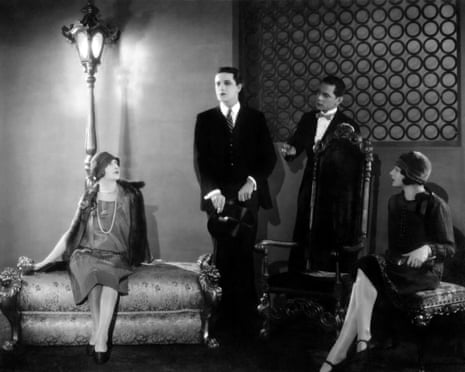
The Tattle TV app has announced the release of a new adaptation of Alfred Hitchcock’s silent film, The Lodger: A Story of the London Fog (1927), reimagined as a vertical microdrama. This innovative approach aims to cater to mobile viewers, marking what is believed to be one of the first instances of a classic feature film being fully reframed for vertical, mobile-first consumption.
Adapting Classics for Modern Audiences
The announcement from Tattle TV raises intriguing questions about the future of classic cinema. While the original The Lodger is celebrated for its visual storytelling, the new format presents significant challenges. The film’s iconic 4:3 aspect ratio will be altered, either extended or cropped, to fit a vertical phone screen. Viewers may find key visual elements missing from the narrative, which could impact the film’s overall impact.
The opening shot of The Lodger features a striking close-up of a woman in distress, a scene that sets the tone for the chilling story of a serial killer targeting young women. Hitchcock’s emphasis on visual storytelling was crucial to his style, and it remains uncertain whether the essence of the film can be preserved in this new format.
Although Tattle TV’s adaptation may attract attention from a younger audience, it raises concerns among purists who value the original cinematic experience. The film will be presented in chapters, with the initial segments available for free, while viewers must pay to access the entire movie. This approach echoes the evolving landscape of content consumption, where shorter formats are increasingly popular.
Bridging the Gap Between Eras
According to a report from Deadline, Tattle TV’s goal is to introduce classic cinema to a new generation, merging film history with contemporary viewing habits. While this ambition is commendable, it also runs the risk of alienating traditional cinema enthusiasts. Some critics argue that simply reframing classic films is not enough; a more thoughtful approach, such as remaking iconic works, could better engage younger audiences.
Despite the availability of The Lodger through various platforms, including DVDs and streaming services, the push towards vertical formats reflects a broader trend in media consumption. Research from the University of Sussex indicates that social media scrolling is often less fulfilling than other activities, which may contribute to a renewed interest in cinema among younger viewers.
As the landscape of film continues to evolve, the adaptation of classic works into formats like microdrama could either enrich or dilute the cinematic experience. While Tattle TV seeks to captivate a new audience, the enduring quality of films like The Lodger lies in their original presentation, inviting viewers to appreciate the artistry as intended.
In an era where distractions abound, it remains vital for audiences to engage with cinema in its most authentic form. The hope is that adaptations like Tattle TV’s will inspire viewers to explore the rich history of film, rather than simply consume it in bite-sized portions.